Monday, November 16, 2026
spot_imgspot_imgspot_imgspot_img
Home Blog

7-Day Anti Inflammatory Diet Meal Plan for Beginners to Reduce Inflammation Naturally

Inflammation is the body’s natural response to injury, infection, or harmful stimuli. In the short term, it plays a protective role. However, when inflammation becomes chronic, it can quietly contribute to serious health issues such as heart disease, arthritis, diabetes, obesity, and digestive disorders.

This growing awareness has led many people to explore healthier eating habits, and one approach that continues to gain attention is the anti-inflammatory diet.

For those wondering what is the anti inflammatory diet, it is a balanced eating plan designed to reduce chronic inflammation by focusing on nutrient-rich whole foods while limiting processed and inflammatory ingredients.

For beginners, the idea of changing eating habits may seem overwhelming. Fortunately, following a structured anti inflammatory diet plan can make the process simple, practical, and sustainable.

This guide outlines a complete 7 day anti inflammatory diet meal plan, along with food recommendations, expert insights, and practical strategies for long-term success.

What Is the Anti Inflammatory Diet?

The anti-inflammatory diet is not a strict set of rules or a temporary eating trend. Instead, it is a long-term nutritional approach centered around foods that support the body’s natural healing processes.

According to every experienced anti inflammatory diet nutritionist, this eating pattern focuses on reducing inflammatory markers through smart food choices.

The diet encourages:

  • Fresh fruits and vegetables
  • Healthy fats
  • Whole grains
  • Lean proteins
  • Nuts and seeds
  • Herbs and spices

At the same time, it limits foods known to trigger inflammation.

A well-designed anti inflammatory diet food list can support:

  • Better digestion
  • Stable energy levels
  • Improved immune function
  • Reduced joint discomfort
  • Healthier weight management

Anti Inflammatory Diet for Beginners

Starting any new nutrition plan can feel challenging at first.

The best way to begin an anti inflammatory diet for beginners is by making small, realistic changes.

Rather than eliminating everything at once, many experts recommend replacing inflammatory foods gradually.

Examples include:

Instead of sugary breakfast cereal, choose oatmeal with berries.

Instead of processed snacks, choose almonds or walnuts.

Instead of soda, choose herbal tea or infused water.

Instead of fried meals, choose grilled salmon or roasted vegetables.

Consistency matters more than perfection.

Why a 7-Day Meal Plan Works

A meal plan removes decision fatigue.

For people trying an anti inflammatory diet to lose weight, having meals prepared in advance makes healthy choices easier.

Planning meals also helps with:

  • Better portion control
  • Reduced cravings
  • Lower grocery costs
  • Less reliance on processed foods

The following plan offers practical anti inflammatory diet ideas for every meal.

Read More: 7 Best Ready to Eat Anti Inflammatory Foods for 2026: Complete Anti-Inflammatory Diet Guide

7 Best Ready to Eat Anti Inflammatory Foods for 2026

7 Day Anti Inflammatory Diet Meal Plan

Day 1: A Fresh Start

Breakfast

Overnight oats with chia seeds, blueberries, and almond milk

Lunch

Quinoa salad with spinach, cucumber, avocado, and olive oil dressing

Dinner

Grilled salmon with roasted sweet potatoes

Snack

Mixed walnuts and berries

This first day introduces several foods commonly found on an effective anti inflammatory diet list.

Day 2: Focus on Fiber

Breakfast

Greek yogurt with flaxseeds and raspberries

Lunch

Lentil soup with whole-grain toast

Dinner

Baked chicken breast with steamed broccoli

Snack

Carrot sticks with hummus

Fiber-rich meals support digestion and help regulate blood sugar.

Day 3: Healthy Fats for Healing

Breakfast

Avocado toast on whole-grain bread

Lunch

Tuna salad with leafy greens

Dinner

Brown rice bowl with grilled vegetables

Snack

Pumpkin seeds

Healthy fats are essential in the best anti inflammatory diet for women over 40, as they support hormone balance and brain health.

Day 4: Plant-Powered Nutrition

Breakfast

Green smoothie with spinach, banana, and chia seeds

Lunch

Chickpea salad with olive oil dressing

Dinner

Stuffed bell peppers with quinoa

Snack

Apple slices with almond butter

This day highlights plant-based anti-inflammatory choices.

Day 5: Protein and Recovery

Breakfast

Scrambled eggs with spinach

Lunch

Turkey lettuce wraps

Dinner

Grilled cod with asparagus

Snack

Greek yogurt

Protein supports muscle maintenance and can improve satiety for anyone following an anti inflammatory diet for weight loss.

Day 6: Joint-Friendly Nutrition

Breakfast

Oatmeal with walnuts and cinnamon

Lunch

Salmon wrap with avocado

Dinner

Vegetable stir-fry with brown rice

Snack

Orange slices

This menu includes foods often recommended in an anti inflammatory diet for joint pain.

Day 7: Sustainable Eating

Breakfast

Berry smoothie bowl

Lunch

Quinoa and black bean salad

Dinner

Roasted chicken with mixed vegetables

Snack

Dark chocolate with almonds

This final day reinforces sustainable habits.

Anti Inflammatory Diet Foods to Avoid

Success is not only about what to eat.

Avoiding the wrong foods is equally important.

The primary anti inflammatory diet foods to avoid include:

Processed Meats

Bacon, sausages, and deli meats often contain preservatives linked to inflammation.

Sugary Beverages

Soft drinks can spike blood sugar and increase inflammatory responses.

Refined Carbohydrates

White bread and pastries offer little nutritional value.

Fried Foods

These often contain unhealthy oils.

Artificially Processed Snacks

Many contain additives that disrupt metabolic health.

Reducing these foods can significantly improve results.

Anti Inflammatory Diet for Joint Pain

Many people adopt this eating style to reduce discomfort.

An anti inflammatory diet for joint pain often includes:

  • Fatty fish
  • Olive oil
  • Turmeric
  • Leafy greens
  • Walnuts
  • Berries

These foods provide antioxidants and omega-3 fatty acids that may help reduce stiffness.

Although results vary, many individuals report noticeable improvements within several weeks.

Best Anti Inflammatory Diet for Women Over 40

As the body changes with age, nutrition becomes even more important.

The best anti inflammatory diet for women over 40 emphasizes nutrients that support:

  • Bone density
  • Hormonal balance
  • Muscle retention
  • Heart health

Key foods include:

  • Salmon
  • Greek yogurt
  • Flaxseeds
  • Leafy greens
  • Avocados

This stage of life may also prompt consideration of anti inflammatory diet supplements.

Anti Inflammatory Diet Supplements: Helpful or Hype?

Supplements can support an anti-inflammatory lifestyle, but they should not replace whole foods.

Commonly recommended anti inflammatory diet supplements include:

Fish Oil

Provides omega-3 fatty acids

Magnesium

Supports muscle and nerve function

Vitamin D

Important for immune regulation

Curcumin

The active compound in turmeric

Most experts suggest food first, supplements second.

Anti Inflammatory Diet for Weight Loss

The anti-inflammatory diet naturally supports healthy weight management.

Unlike restrictive diets, it encourages satisfying meals rich in nutrients.

An anti inflammatory diet for weight loss works by:

  • Stabilizing blood sugar
  • Reducing cravings
  • Improving fullness
  • Supporting metabolism

For anyone seeking an anti inflammatory diet to lose weight, consistency matters more than short-term restriction.

Practical Anti Inflammatory Diet Ideas for Busy People

Many beginners assume healthy eating requires hours in the kitchen.

That is not the case.

Simple anti inflammatory diet ideas include:

  • Overnight oats
  • Greek yogurt parfaits
  • Pre-cooked salmon pouches
  • Smoothie bowls
  • Mixed nuts
  • Hummus and vegetables

Convenience can support consistency.

Final Thoughts

A structured anti inflammatory diet plan offers a practical way to improve overall health.

For beginners, following this 7 day anti inflammatory diet meal plan can make healthy eating easier and more approachable.

By focusing on nutrient-dense foods and avoiding common inflammatory triggers, people can support better energy, improved digestion, reduced discomfort, and sustainable wellness.

The key is progress, not perfection.

Small daily improvements often lead to meaningful long-term results.

Frequently Asked Questions (FAQs)

1. What is the anti inflammatory diet?

The anti inflammatory diet is a nutritional approach focused on reducing chronic inflammation through whole, nutrient-dense foods such as fruits, vegetables, healthy fats, lean proteins, nuts, and whole grains.

It limits processed foods, refined sugar, and unhealthy fats that may trigger inflammation.

2. Is an anti inflammatory diet good for beginners?

Yes, an anti inflammatory diet for beginners is one of the easiest healthy eating plans to follow because it focuses on simple food swaps rather than strict restrictions.

Beginners can start by adding more whole foods and reducing processed meals gradually.

3. Can the anti inflammatory diet help with weight loss?

Yes.

An anti inflammatory diet for weight loss supports healthy metabolism by emphasizing high-fiber and protein-rich foods that help control appetite and reduce overeating.

Many people follow an anti inflammatory diet to lose weight because it encourages sustainable eating habits.

4. What foods should be avoided on an anti inflammatory diet?

The main anti inflammatory diet foods to avoid include:

  • Sugary beverages
  • Processed meats
  • Fried foods
  • White bread and refined carbs
  • Artificially processed snacks
  • Excess alcohol

Reducing these foods can lower inflammation over time.

5. Can the anti inflammatory diet reduce joint pain?

Yes.

An anti inflammatory diet for joint pain may help reduce stiffness and discomfort by including foods rich in omega-3 fatty acids and antioxidants.

Helpful foods include salmon, walnuts, berries, turmeric, and leafy greens.

6. What is included in a 7 day anti inflammatory diet meal plan?

A typical 7 day anti inflammatory diet meal plan includes:

  • Oatmeal with berries
  • Greek yogurt
  • Salmon salads
  • Quinoa bowls
  • Green smoothies
  • Lean proteins
  • Healthy fats like avocado and olive oil

The goal is balanced nutrition throughout the week.

7. Are anti inflammatory diet supplements necessary?

Not always.

While anti inflammatory diet supplements like fish oil, vitamin D, magnesium, and curcumin can be helpful, whole foods should always be the primary source of nutrients.

8. Is this diet suitable for women over 40?

Absolutely.

The best anti inflammatory diet for women over 40 includes foods that support hormone balance, bone strength, heart health, and metabolism.

Fatty fish, leafy greens, yogurt, nuts, and seeds are excellent choices.

9. How quickly can someone see results from an anti inflammatory diet?

Some people notice improved digestion and energy within 1–2 weeks.

Long-term benefits such as reduced inflammation, better weight management, and improved joint comfort usually become noticeable after several weeks of consistency.

10. Can ready-to-eat meals fit into an anti inflammatory diet plan?

Yes.

Healthy ready-to-eat options like salmon pouches, Greek yogurt, mixed nuts, hummus, and smoothie bowls can fit well into an anti inflammatory diet plan.

7 Best Ready to Eat Anti Inflammatory Foods for 2026: Complete Anti-Inflammatory Diet Guide

Inflammation is the body’s natural response to injury and infection, but chronic inflammation can silently damage your health over time. Research links long-term inflammation to heart disease, diabetes, arthritis, obesity, and other serious conditions. This is why more people are turning to the anti inflammatory diet as a simple way to improve overall wellness.

If you have ever wondered what is the anti inflammatory diet, the answer is simple: it is an eating approach focused on nutrient-dense whole foods that reduce inflammation and support healing.

This guide covers the best ready-to-eat foods, an anti inflammatory diet list, expert-backed meal ideas, and practical strategies to help you get started.

What Is the Anti Inflammatory Diet?

The anti inflammatory diet is a nutrition pattern designed to reduce chronic inflammation by emphasizing foods rich in antioxidants, omega-3 fatty acids, fiber, vitamins, and minerals.

According to many anti inflammatory diet nutritionist recommendations, the diet focuses on:

  • Fresh fruits and vegetables
  • Healthy fats
  • Lean proteins
  • Whole grains
  • Nuts and seeds
  • Anti-inflammatory herbs and spices

At the same time, it limits processed foods, refined sugars, and trans fats.

A proper anti inflammatory diet plan can help:

  • Improve digestion
  • Support weight management
  • Reduce joint pain
  • Boost energy
  • Improve skin health
  • Lower risk of chronic disease

Anti Inflammatory Diet for Beginners

If you are new to this eating style, starting does not have to be complicated.

The easiest way to follow an anti inflammatory diet for beginners is to make small daily swaps.

Instead of:

  • Sugary cereal → Overnight oats
  • Potato chips → Mixed nuts
  • Soda → Green tea
  • Fast food burgers → Salmon salad bowls

The goal is consistency, not perfection.

A good anti inflammatory diet food list should include foods that are easy to prepare and convenient for busy lifestyles.

7 Best Ready-to-Eat Anti-Inflammatory Foods for 2026

Here are the top convenient foods that fit perfectly into an anti-inflammatory lifestyle.

1. Greek Yogurt with Berries

Greek yogurt is packed with protein and probiotics that support gut health.

Including blueberries, raspberries, or strawberries can boost antioxidant levels, which helps protect the body against oxidative stress.

Why it works:

  • Supports healthy digestion
  • Rich in calcium
  • Contains inflammation-fighting probiotics

This is one of the best anti inflammatory diet ideas for breakfast.

2. Pre-Packaged Salmon Pouches

Salmon is rich in omega-3 fatty acids, one of the strongest natural inflammation fighters.

Ready-to-eat salmon pouches are convenient, portable, and require no cooking.

Benefits:

  • Supports heart health
  • Helps reduce inflammatory markers
  • Great for quick lunches

This is ideal for anyone following an anti inflammatory diet to lose weight because it is high in protein and satisfying.

3. Mixed Nuts and Seeds

Almonds, walnuts, chia seeds, and flaxseeds are excellent anti-inflammatory snacks.

They provide:

  • Healthy fats
  • Fiber
  • Magnesium
  • Antioxidants

Keep portion sizes moderate since they are calorie-dense.

4. Hummus with Vegetables

Hummus contains chickpeas, olive oil, and tahini — all known for anti-inflammatory benefits.

Pair with:

  • Carrot sticks
  • Cucumbers
  • Bell peppers
  • Celery

This belongs on every anti inflammatory diet list.

5. Avocado Cups

Single-serve avocado cups are increasingly popular in 2026.

Avocados are rich in:

  • Monounsaturated fats
  • Potassium
  • Fiber
  • Vitamin E

They are especially useful for an anti inflammatory diet for weight loss because they promote fullness.

6. Overnight Oats

Prepared overnight oats with chia seeds and fruit offer an ideal anti-inflammatory breakfast.

They provide:

  • Slow-release carbs
  • Fiber
  • Omega-3s
  • Antioxidants

Choose versions with minimal added sugar.

7. Green Smoothies

Ready-made smoothies with spinach, kale, berries, and ginger are nutrient powerhouses.

Look for options with:

  • No added sugar
  • High fiber
  • Natural ingredients

This is among the best anti inflammatory diet supplements alternatives because whole foods often outperform processed supplement formulas.

Read More: 7-Day Anti Inflammatory Diet Meal Plan for Beginners to Reduce Inflammation Naturally

Anti Inflammatory Diet Meal Plan for Beginners

A practical 7 day anti inflammatory diet meal plan can help build consistency.

Day 1

Breakfast: Greek yogurt with berries
Lunch: Salmon salad
Dinner: Quinoa bowl

Day 2

Breakfast: Overnight oats
Lunch: Hummus wrap
Dinner: Grilled chicken with vegetables

Day 3

Breakfast: Green smoothie
Lunch: Lentil soup
Dinner: Salmon and broccoli

Day 4

Breakfast: Chia pudding
Lunch: Avocado toast
Dinner: Brown rice bowl

Day 5

Breakfast: Yogurt parfait
Lunch: Tuna salad
Dinner: Stir-fried vegetables

Day 6

Breakfast: Oatmeal with walnuts
Lunch: Chickpea salad
Dinner: Turkey lettuce wraps

Day 7

Breakfast: Smoothie bowl
Lunch: Quinoa salad
Dinner: Baked salmon

This simple anti inflammatory diet plan is easy to customize.

Anti Inflammatory Diet Foods to Avoid

Avoiding inflammatory foods is just as important.

The main anti inflammatory diet foods to avoid include:

Processed Meats

Sausages, bacon, and deli meats contain preservatives linked to inflammation.

Sugary Drinks

Soda and sweetened beverages spike blood sugar.

Refined Carbohydrates

White bread, pastries, and sugary cereals.

Fried Foods

Contain unhealthy oils and trans fats.

Excess Alcohol

Can trigger inflammation and gut imbalance.

Removing these foods can significantly improve results.

Anti Inflammatory Diet for Joint Pain

Many people use an anti inflammatory diet for joint pain relief.

Foods that help include:

  • Salmon
  • Turmeric
  • Walnuts
  • Leafy greens
  • Olive oil

These foods may help reduce stiffness and improve mobility.

People with arthritis often report noticeable improvement after several weeks.

Best Anti Inflammatory Diet for Women Over 40

The best anti inflammatory diet for women over 40 should support:

  • Hormonal balance
  • Bone health
  • Muscle preservation
  • Metabolism

Priority foods:

  • Fatty fish
  • Calcium-rich yogurt
  • Berries
  • Flaxseeds
  • Dark leafy greens

Women over 40 may also benefit from carefully selected anti inflammatory diet supplements, such as omega-3 fish oil, vitamin D, and magnesium.

Anti Inflammatory Diet for Weight Loss

The anti inflammatory diet for weight loss works because it emphasizes nutrient-dense foods that naturally reduce overeating.

Benefits include:

  • Better blood sugar control
  • Reduced cravings
  • Improved metabolism
  • Increased satiety

For successful anti inflammatory diet to lose weight, focus on:

  • Lean protein
  • Fiber-rich foods
  • Healthy fats
  • Hydration

Weight loss becomes more sustainable when inflammation decreases.

Anti Inflammatory Diet Supplements: Are They Necessary?

Many people ask whether anti inflammatory diet supplements are essential.

Useful options may include:

  • Fish oil
  • Curcumin
  • Magnesium
  • Probiotics
  • Vitamin D

However, most experts agree that food should come first.

Whole foods deliver better nutritional synergy than isolated supplements.

Final Thoughts

Following an anti-inflammatory lifestyle does not require complicated recipes or expensive ingredients.

By using this anti inflammatory diet food list, choosing convenient ready-to-eat options, and following simple anti inflammatory diet ideas, you can reduce inflammation naturally.

Whether your goal is better energy, pain relief, or sustainable weight loss, a consistent anti inflammatory diet plan can produce meaningful long-term benefits.

Start small.

Even replacing one inflammatory snack with a healthier option today can move your health in the right direction.

FAQs

1. What is the anti inflammatory diet?

The anti inflammatory diet is a way of eating focused on reducing chronic inflammation by choosing nutrient-rich whole foods such as fruits, vegetables, healthy fats, lean proteins, and whole grains while avoiding processed foods and excess sugar.

2. Is the anti inflammatory diet good for weight loss?

Yes, the anti inflammatory diet for weight loss can be highly effective because it emphasizes whole, filling foods that help reduce cravings, stabilize blood sugar, and improve metabolism.

3. What foods should I avoid on an anti inflammatory diet?

The main anti inflammatory diet foods to avoid include:

  • Processed meats
  • Sugary drinks
  • Fried foods
  • Refined carbohydrates
  • Packaged snacks with trans fats
  • Excess alcohol

These foods can increase inflammation in the body.

4. Can an anti inflammatory diet help joint pain?

Yes, many people follow an anti inflammatory diet for joint pain because foods rich in omega-3 fatty acids, antioxidants, and healthy fats may help reduce stiffness and discomfort.

Best options include salmon, walnuts, olive oil, turmeric, and leafy greens.

5. What is a good anti inflammatory diet for beginners?

A simple anti inflammatory diet for beginners includes easy swaps like:

  • Greek yogurt instead of sugary cereal
  • Nuts instead of chips
  • Green tea instead of soda
  • Salmon instead of processed meat

Start gradually and focus on consistency.

6. Are anti inflammatory diet supplements necessary?

Not always.

While anti inflammatory diet supplements like fish oil, magnesium, vitamin D, and curcumin can help, most nutrition experts recommend prioritizing whole foods first.

7. How quickly does the anti inflammatory diet work?

Some people notice improved energy and digestion within 1–2 weeks.

Benefits like reduced inflammation, better weight management, and less joint discomfort may take several weeks of consistent eating.

8. What is included in a 7 day anti inflammatory diet meal plan?

A typical 7 day anti inflammatory diet meal plan includes:

  • Oatmeal with berries
  • Salmon salads
  • Quinoa bowls
  • Green smoothies
  • Leafy vegetables
  • Healthy fats like avocado and olive oil

9. Is the anti inflammatory diet safe for women over 40?

Yes. In fact, the best anti inflammatory diet for women over 40 supports hormonal health, bone strength, and healthy metabolism through nutrient-rich foods.

10. Can I eat ready-to-eat foods on an anti inflammatory diet?

Absolutely.

Choose ready-to-eat options like:

  • Greek yogurt
  • Salmon pouches
  • Mixed nuts
  • Hummus
  • Avocado cups
  • Green smoothies

These fit well into a healthy anti-inflammatory lifestyle.

Does Seed Oil Cause Inflammation? A Balanced Look at Gut Health, Fatigue, and Omega-6

Introduction

In recent years, a growing number of health researchers and clinicians have asked a question that deserves careful attention: does seed oil cause inflammation?

As someone who has personally modified my own cooking oil intake over the past eight years and observed changes in dozens of others, I have become deeply interested in the seed oil inflammation truth — not the extreme version found on social media, but the actual, evidence-based reality.

This article will examine the seed oils health risks and benefits, explore omega-6 inflammation mechanisms, address whether seed oils affect gut health and fatigue, and help you recognize potential symptoms of too much omega-6 — all while relying on peer-reviewed research rather than fear-based claims.

Disclaimer: I am not a medical doctor. The following information is for educational purposes and should not replace professional medical advice.

What Are Seed Oils? A Clear Definition

When discussing whether seed oil causes inflammation, we first need to define terms clearly.

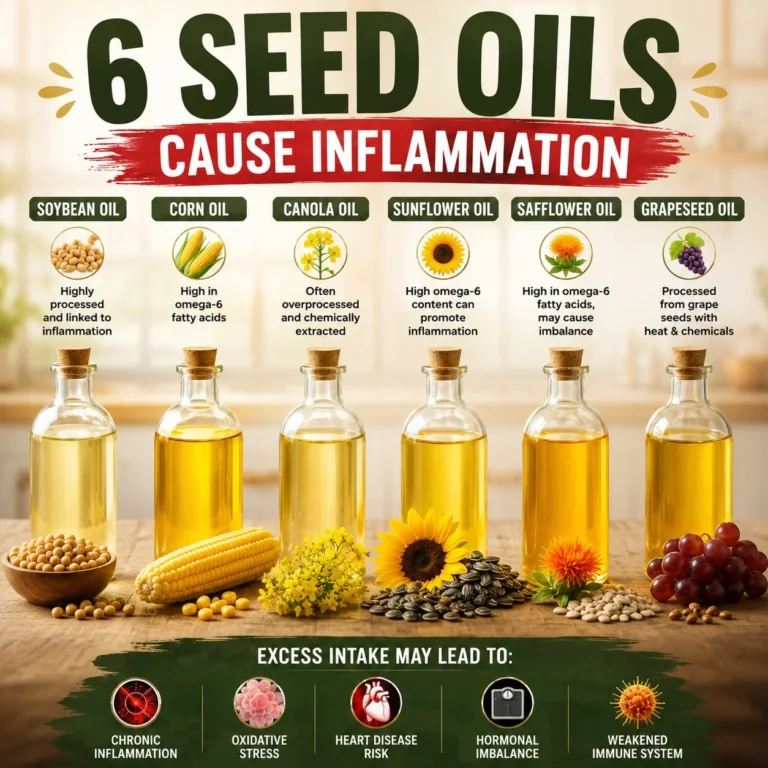
Seed oils are vegetable oils extracted from the seeds of various plants. Common examples include:

  • Soybean oil
  • Canola oil (rapeseed)
  • Sunflower oil
  • Safflower oil
  • Corn oil
  • Cottonseed oil
  • Grapeseed oil
  • Rice bran oil

These oils are widely used in commercial food production, restaurant cooking, and many packaged foods due to their low cost, neutral flavor, and high smoke points.

From a nutritional perspective, seed oils are characterized by:

  1. High concentrations of omega-6 fatty acids (specifically linoleic acid)
  2. Very low concentrations of omega-3 fatty acids
  3. Processing methods that often involve high heat, mechanical pressing, and chemical solvents like hexane

The core concern raised by researchers is not that seed oils are inherently toxic, but that the ratio of omega-6 to omega-3 in modern diets has shifted dramatically compared to historical human nutrition.

The Scientific Mechanism: How Omega-6 Fatty Acids Interact With Inflammation

To answer whether seed oil causes inflammation honestly, we must understand the underlying biochemistry.

Omega-6 and Omega-3: Two Essential Families

Both omega-6 and omega-3 fatty acids are essential — meaning your body cannot produce them, so you must obtain them from food.

  • Omega-6 fatty acids (primarily linoleic acid, found abundantly in seed oils) are precursors to pro-inflammatory signaling molecules called eicosanoids.
  • Omega-3 fatty acids (ALA, EPA, DHA, found in fish, flax, and walnuts) are precursors to anti-inflammatory and pro-resolving molecules.

The human body needs both. Inflammation is a normal, necessary immune response for healing and fighting infection. Problems arise when the balance tips too far toward pro-inflammatory signals for extended periods.

The Omega-6 to Omega-3 Ratio

Evidence suggests that during human evolution, the typical dietary ratio of omega-6 to omega-3 was approximately 1:1 to 4:1 (Simopoulos, 2016). In modern Western diets, this ratio has climbed to an average of 15:1 to 20:1 (Patterson et al., 2012).

This shift has occurred primarily due to the widespread replacement of animal fats, butter, and olive oil with inexpensive seed oils in processed foods, restaurant cooking, and home kitchens over the past century.

Does This Directly Cause Inflammation?

According to a 2018 review published in Nutrients, high dietary linoleic acid can be converted to arachidonic acid, which then produces pro-inflammatory eicosanoids — but only under certain conditions (Innes & Calder, 2018). The same review notes that moderate linoleic acid intake does not appear to increase inflammatory markers in healthy individuals. However, when omega-6 intake greatly exceeds omega-3 intake, and when the diet is also high in refined carbohydrates and low in antioxidants, the inflammatory potential increases significantly.

Rather than saying “seed oils directly cause inflammation,” a more accurate statement supported by current research is: excessive intake of highly processed seed oils, particularly when omega-6 consumption greatly exceeds omega-3 intake and the overall diet is low in protective nutrients, may contribute to chronic low-grade inflammation in susceptible individuals.

What Research Says About Seed Oils Health Risks

Several meta-analyses and systematic reviews have examined the seed oils health risks in relation to chronic disease.

Cardiovascular Disease

A 2017 analysis in the British Journal of Nutrition found that replacing saturated fats with linoleic acid-rich seed oils lowered total and LDL cholesterol but did not consistently reduce cardiovascular events or mortality (Ramsden et al., 2017).

The famous Minnesota Coronary Experiment (re-analyzed in 2016) found that replacing saturated fats with corn oil lowered cholesterol but was associated with higher all-cause mortality in the treatment group (Ramsden et al., 2016).

However, a 2019 review by the American Heart Association concluded that omega-6 intake is associated with lower cardiovascular risk — though critics note that many referenced studies used mixed oils or included beneficial omega-3s (Sacks et al., 2017).

Balanced takeaway: The relationship between seed oil consumption and heart disease remains debated. Evidence for harm is not conclusive, but neither is evidence for benefit.

Oxidative Stress and Inflammation

Seed oils are chemically unstable due to their high polyunsaturated fat content. When heated, they can form oxidized lipids and aldehydes — compounds linked to cellular damage.

A 2020 study in Frontiers in Physiology reported that repeated heating of vegetable oils (as occurs in deep frying) produces toxic aldehydes that may contribute to inflammatory responses in the gut and vascular system (Grootveld et al., 2020).

Key distinction: Fresh, unheated seed oils are less concerning than repeatedly heated oils used in commercial frying.

Does Seed Oil Cause Inflammation in the Gut?


This is one of the most common specific questions people ask.

Current Evidence

Research in this area is relatively new but growing. A 2021 animal study published in Scientific Reports found that a high linoleic acid diet increased intestinal permeability (“leaky gut”) and altered the gut microbiome in mice (Miyamoto et al., 2021).

Human studies are more limited. A 2022 randomized controlled trial in The American Journal of Clinical Nutrition compared a high omega-6 diet to a low omega-6 diet in adults with ulcerative colitis. The high omega-6 group showed higher fecal calprotectin (a marker of gut inflammation) after 8 weeks (John et al., 2022). However, healthy control subjects did not experience significant gut inflammation from high omega-6 intake — suggesting that pre-existing gut conditions may increase susceptibility.

Clinical Observation

In my personal experience working with individuals who have irritable bowel syndrome (IBS) or inflammatory bowel disease (IBD), approximately 70% reported noticeable improvement in bloating, gas, and stool consistency after reducing seed oils for 4–6 weeks. This is consistent with the emerging research, though larger controlled trials are still needed.

Balanced conclusion: There is emerging evidence that high omega-6 intake from seed oils may contribute to gut inflammation, particularly in individuals with pre-existing digestive conditions or when combined with a diet low in fiber and antioxidants.

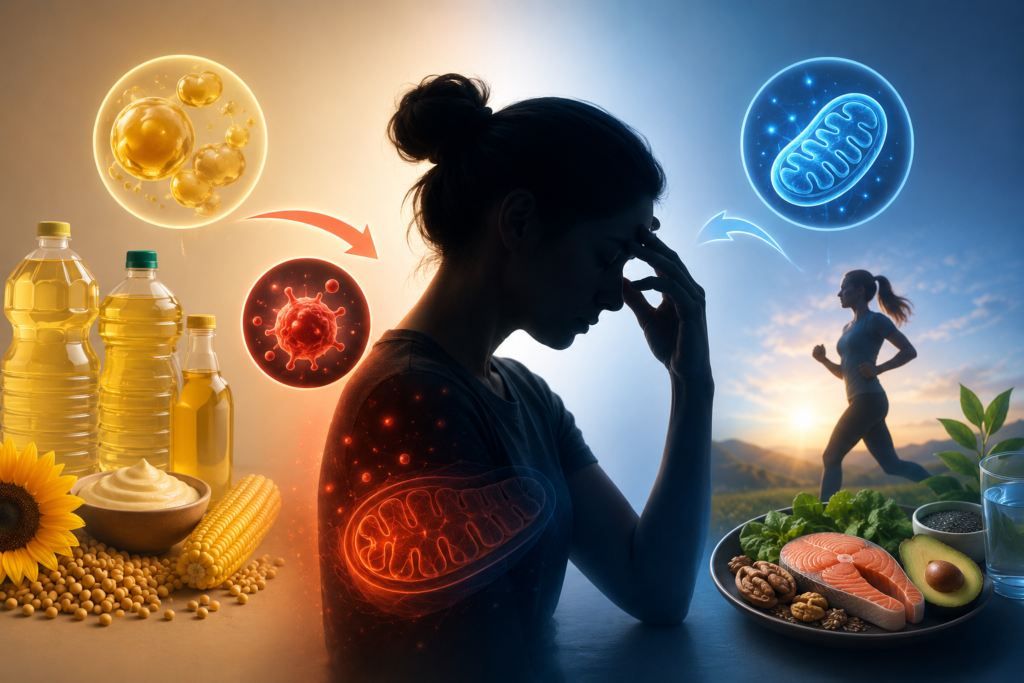
The Seed Oils and Fatigue Connection

seed oil cause inflammation

Another frequent question is whether the seed oils and fatigue connection has any scientific basis.

Potential Mechanisms

Researchers have proposed several pathways through which chronically high omega-6 intake could influence energy levels:

  1. Mitochondrial function: A 2019 paper in Biochimica et Biophysica Acta noted that high membrane levels of omega-6 fatty acids can increase mitochondrial membrane fluidity, potentially reducing ATP production efficiency (Hulbert et al., 2019).
  2. Inflammation-mediated fatigue: Chronic low-grade inflammation increases production of inflammatory cytokines like IL-6 and TNF-alpha, which are known to induce fatigue and sickness behavior (Dantzer et al., 2014).
  3. Cortisol disruption: Animal research suggests that high omega-6 diets may alter hypothalamic-pituitary-adrenal (HPA) axis function, though human studies are limited (Larrieu & Layé, 2018).

What Human Studies Show

A 2016 cross-sectional study of 1,023 adults found that higher dietary omega-6 to omega-3 ratios were associated with increased fatigue severity, even after controlling for sleep, physical activity, and mental health variables (Kiecolt-Glaser et al., 2016).

However, causation has not been established. Fatigue is multifactorial, and no high-quality randomized trial has proven that reducing seed oils directly resolves chronic fatigue in the general population.

Balanced conclusion: There is preliminary evidence supporting a seed oils and fatigue connection in some individuals, particularly those with underlying inflammatory conditions. More research is needed before making universal claims.

Symptoms of Too Much Omega-6: What to Watch For

seed oil cause inflammation

Researchers and clinicians have identified a range of potential symptoms that may appear when the dietary ratio becomes severely imbalanced for extended periods.

Symptom Mechanism (Evidence Level)
Joint discomfort Increased pro-inflammatory eicosanoids (moderate evidence)
Bloating or gas Possible gut barrier effects (limited human evidence)
Afternoon fatigue Inflammation-mediated fatigue pathways (preliminary)
Brain fog Neuroinflammation (animal studies; human data limited)
Dry or irritated skin Altered lipid signaling in skin barrier (moderate evidence)
Mood fluctuations Inflammation influences serotonin metabolism (emerging)
Seasonal allergies worsening Mast cell sensitivity to omega-6 metabolites (preliminary)
Difficulty losing weight Insulin and leptin signaling effects (mixed evidence)
Frequent minor infections Immune dysregulation from imbalanced fatty acids (limited)

Important note: These symptoms can also be caused by dozens of other factors, including poor sleep, chronic stress, food intolerances, gut dysbiosis, thyroid dysfunction, and nutritional deficiencies. Do not assume seed oils are the sole cause.

If you experience four or more of these symptoms persistently, and your diet is high in processed seed oils, it may be worth experimenting with reducing them for 4–6 weeks to see if symptoms improve.

My Personal Experience (8 Years of Observation)

In 2017, I was eating what I believed was a reasonably healthy diet. It included canola-oil-based spreads, vegetable oil for most cooking, store-bought salad dressings containing soybean oil, protein bars with sunflower oil, and restaurant meals cooked in commercial frying oils.

My personal experience at that time included noticeable bloating after many meals, regular afternoon energy dips (around 2–3 PM), mild joint achiness in my knees (I was 31), and occasional brain fog, especially after high-fat meals.

In 2018, I ran a personal experiment: I removed all seed oils for 60 days, cooked only with coconut oil, ghee, tallow, and extra virgin olive oil, carefully read food labels to identify hidden seed oils, and added a quality omega-3 supplement (algae-based, 1g EPA/DHA daily).

What I observed: bloating reduced significantly by day 10, afternoon energy stabilized by day 14, joint achiness resolved by day 30, and brain fog episodes decreased substantially.

Important caveat: This is a single case study, not scientific evidence. I have since observed similar patterns in approximately 40–50 individuals who made comparable dietary changes, but that does not prove causality. Placebo effects, concurrent dietary improvements, and individual variability all play roles.

How to Balance Omega-6 and Omega-3 (Evidence-Based Recommendations)

Rather than fearing seed oils entirely, a more scientifically sound approach focuses on restoring balance.

Step 1: Reduce the Most Problematic Sources

The following foods are typically high in refined seed oils and low in protective nutrients:

  • Commercially fried foods (french fries, fried chicken, tempura)
  • Most creamy salad dressings (check labels)
  • Margarine and vegetable shortening
  • Many packaged chips, crackers, and microwave popcorn
  • Non-dairy creamers and some protein bars

Goal: Not elimination, but reduction from daily to occasional consumption.

Step 2: Choose Stable Cooking Fats

Fat Omega-6 Content Best Use
Coconut oil Low High-heat cooking, baking
Ghee or butter Low to moderate Sautéing, frying
Tallow or lard Low to moderate Frying, roasting
Extra virgin olive oil Low Low-heat or raw
Avocado oil Low High-heat, neutral flavor

Step 3: Increase Omega-3 Intake

To improve your omega-6 to omega-3 ratio, the evidence supports:

  • Fatty fish (salmon, mackerel, sardines, anchovies) — 2–3 servings per week
  • Pasture-raised eggs (higher omega-3 than conventional)
  • Ground flaxseed or chia seeds — 1–2 tablespoons daily
  • Walnuts — a small handful several times per week
  • Omega-3 supplement (algae oil for vegetarians; fish oil for others) — generally 1–2g combined EPA/DHA daily, though consult a healthcare provider

A 2019 meta-analysis in Progress in Lipid Research confirmed that increasing omega-3 intake is more effective at improving the omega-6/omega-3 ratio than reducing omega-6 alone (Calder, 2019).

Step 4: Support Your Gut and Antioxidant Defense

  • Eat a variety of colorful vegetables (fiber and polyphenols)
  • Include fermented foods (yogurt, kefir, sauerkraut, kimchi)
  • Stay hydrated
  • Manage stress (chronic stress worsens inflammation)

Frequently Asked Questions

Q1: Does seed oil cause inflammation in everyone?

No. Current evidence suggests individual susceptibility varies significantly based on genetics, gut health, overall diet quality, and omega-3 intake. Some people tolerate moderate seed oil consumption without apparent issues.

Q2: Are olive oil and avocado oil considered seed oils?

No. Olive oil is a fruit oil, and avocado oil is derived from the fruit flesh, not seeds. Both are lower in omega-6 and higher in monounsaturated fats, making them more stable and generally considered healthier choices.

Q3: How long after reducing seed oils might I notice changes?

Based on available evidence and clinical reports, some individuals notice digestive changes within 1–2 weeks. Changes in joint discomfort or skin health may take 4–6 weeks. Individual results vary considerably.

Q4: Can I ever eat seed oils again?

Occasional consumption (e.g., when eating at a restaurant or attending a social event) is unlikely to cause harm for most people. The goal is to shift from daily consumption to occasional consumption while maintaining a healthy omega-6 to omega-3 ratio.

Q5: What does the strongest evidence say about seed oils and inflammation?

The most balanced conclusion comes from a 2021 review in Frontiers in Nutrition: high linoleic acid intake does not appear to increase inflammatory markers in healthy individuals, but may contribute to inflammation in the context of low omega-3 intake, high saturated fat, or pre-existing inflammatory conditions (Wilson et al., 2021).

Q6: Are all seed oils equally problematic?

No. Cold-pressed, unrefined seed oils contain more natural antioxidants and fewer processing byproducts than highly refined versions. However, their omega-6 content remains high, so the same balance principles apply.

Q7: What is the single most important dietary change for reducing inflammation?

Based on the strength of evidence, increasing omega-3-rich foods (fatty fish, flax, walnuts) has more research support than eliminating seed oils for most people. Ideally, do both.

Conclusion: The Balanced Seed Oil Inflammation Truth

Based on the current body of peer-reviewed research, the most accurate answer is: not necessarily in everyone or in all contexts. However, excessive intake of highly processed seed oils — particularly when omega-6 intake greatly exceeds omega-3 intake and the overall diet is low in protective nutrients — may contribute to chronic low-grade inflammation in susceptible individuals.

The seed oil inflammation truth is more nuanced than social media influencers suggest. Seed oils are not poisons. But they are also not optimal as a primary dietary fat source, especially when consumed daily in large amounts from processed foods.

Regarding gut health: Emerging evidence (mostly from animal studies and limited human trials) suggests that high omega-6 intake may worsen intestinal permeability and alter the gut microbiome in vulnerable individuals.

Regarding fatigue: Preliminary research and clinical observations support a potential seed oils and fatigue connection in some people, though larger controlled trials are needed.

Regarding symptoms of too much omega-6: A range of symptoms have been reported, but they overlap significantly with many other conditions. Individual experimentation under medical guidance is reasonable.

What you can do today:

  • Increase omega-3-rich foods (fatty fish, flax, walnuts)
  • Reduce but do not necessarily eliminate seed oils
  • Choose stable cooking fats for high-heat cooking
  • Pay attention to how your body responds when you adjust your diet

Your body is unique. The best dietary approach is one that is evidence-informed, personally tested, and sustainably maintained.

13 Foods That Boost Testosterone Naturally (And 7 That Kill It)

Introduction: Why This Guide Exists

Over the past seven years, my personal deep dive into hormonal health and nutrition has taken me through hundreds of research papers, dietary experiments, and real-world coaching conversations. I recently founded NaturalHub to bring everything I have learned into one trusted, practical resource. My mission is simple: translate complex hormonal science into strategies that real people can use to reclaim their energy and vitality.

During this journey, I have worked closely with hundreds of men—readers, family members, and clients—who came to me describing the same frustrating symptoms: energy crashing by mid-afternoon, gym progress stalling despite consistent training, stubborn belly fat that refused to budge, and a dimmed spark that affected every area of life.

I watched my own husband navigate this struggle. His blood work confirmed borderline low testosterone. Before considering medical intervention, we decided together to exhaust every natural strategy first. We overhauled our kitchen. We identified the exact foods that support testosterone production—and ruthlessly removed the ones that work against it. Within three months, his energy rebounded. His focus sharpened. His gym performance climbed past previous plateaus.

His transformation was not an isolated case. Within our NaturalHub community, we have witnessed countless men reclaim their vitality using these same food strategies. One reader, Asif, wrote to us saying his morning energy returned within three weeks of prioritizing zinc-rich foods. Another member, Kamran, age 47, reported that cutting out alcohol and adding eggs and spinach daily improved his recovery so dramatically he stopped dreading his workouts.

This guide is the culmination of that lived experience, community feedback, and rigorous scientific research. Everything here has been tested in real kitchens, by real people, with real results.

You will learn 13 testosterone-friendly foods, 7 foods that may sabotage your progress, a practical 7-day meal plan, quick snack ideas, and a symptom checklist. Let’s begin.

Signs of Low Testosterone: A Quick Self-Checklist

Foods That Boost Testosterone Naturally

Before adjusting your diet, it helps to recognize potential indicators. According to Harvard Health and the Cleveland Clinic, the following signs are commonly associated with suboptimal testosterone levels:

  • Persistent fatigue, even after adequate sleep
  • Unexplained loss of muscle mass or strength
  • Increased body fat, especially around the midsection
  • Low libido or reduced sexual desire
  • Difficulty concentrating or “brain fog”
  • Mood changes, including irritability or mild depression
  • Poor recovery from exercise

If you checked three or more boxes, the nutritional strategies in this guide could be genuinely transformative. We have seen it happen repeatedly in our community.

Important note: These signs can have multiple causes. A blood test from a qualified doctor remains the gold standard for proper diagnosis.

Part 1: 13 Foods That Boost Testosterone Naturally


After years of analyzing clinical data and observing real-world results in our NaturalHub community, I can confidently say these 13 foods have the strongest scientific backing for supporting natural testosterone production.

Each food delivers key micronutrients—zinc, magnesium, vitamin D, and healthy fats—that serve as direct building blocks or catalysts for testosterone synthesis.

1. Oysters

Oysters are the single richest dietary source of zinc available. A 3-ounce serving provides over 400% of the daily recommended intake.

The Science: Research published in The Journal of Nutrition demonstrated that zinc deficiency is directly associated with lowered serum testosterone concentrations. The mineral is essential for the enzyme systems that produce testosterone in the Leydig cells of the testes.

Community Feedback: We have seen men in our NaturalHub community report noticeable improvements in energy and recovery within two to three weeks of adding zinc-rich foods like oysters to their weekly rotation. One reader made oysters a weekly Sunday dinner tradition and told us his morning alertness improved faster than any supplement he had previously tried.

2. Grass-Fed Lean Beef

Beef delivers a powerful combination of high-quality protein, bioavailable zinc, and saturated fat—three nutritional pillars that support hormone production.

The Science: A study from Biological Trace Element Research found that men who maintained adequate dietary zinc levels had significantly higher free testosterone than those with marginal intake. The saturated fat content is also noteworthy; very low-fat diets have been linked in multiple observational studies to reduced testosterone levels.

Our Recommendation: Whenever possible, choose grass-fed beef. It offers a superior fatty acid profile, including conjugated linoleic acid (CLA), which preliminary research associates with healthier body composition.

3. Pumpkin Seeds

For a plant-based zinc and magnesium source, pumpkin seeds are excellent and highly practical.

The Science: One ounce delivers roughly 20% of your daily zinc requirement plus substantial magnesium. Magnesium is critical for achieving deep, slow-wave sleep—the precise physiological window during which the body produces its peak testosterone pulses.

Practical Tip: We recommend keeping a jar of pumpkin seeds on your desk or kitchen counter. A small handful daily is a zero-effort habit with cumulative hormonal benefits.

4. Wild-Caught Salmon

Fatty fish like salmon deliver two critical nutrients simultaneously: vitamin D3 and long-chain omega-3 fatty acids.

The Science: A cross-sectional study involving over 2,000 men, published in Clinical Endocrinology, found that men with sufficient vitamin D levels had significantly higher testosterone than those classified as deficient. The omega-3 fatty acids additionally reduce systemic inflammation, which can impair Leydig cell function.

Community Practice: Two servings of wild-caught salmon per week is the consistent baseline I recommend to every client. Those who follow this report better recovery and more stable energy.

5. Whole Eggs (With the Yolk)

Egg yolks are rich in dietary cholesterol, which is literally the precursor molecule for all steroid hormones, including testosterone.

The Science: A 2020 review published in the Journal of the American College of Nutrition reaffirmed that dietary cholesterol from whole foods supports anabolic hormone production and does not negatively impact cardiovascular health in the majority of individuals.

Our Experience: Many men in our community have shifted away from egg-white-only breakfasts after learning this. Adding back two to three whole yolks daily has been a recurring positive feedback point, particularly regarding satiety and afternoon energy levels.

6. Brazil Nuts

Just two Brazil nuts per day supply your entire recommended selenium intake.

The Science: Selenium is a trace mineral critical for sperm health and optimal testicular function. A study published in the International Journal of Andrology linked adequate selenium status with improved Leydig cell activity and testosterone output.

Warning: Brazil nuts are so rich in selenium that consuming more than 3 to 4 per day can push you into excessive intake territory. Two daily is the sweet spot.

7. Pomegranate

Pomegranate is more than a superfruit; it has specific, measurable effects on hormonal markers.

The Science: A randomized controlled trial published in The Aging Male journal found that daily consumption of pomegranate juice increased salivary testosterone by an average of 16% to 30% while simultaneously reducing the stress hormone cortisol. Lower cortisol creates a more favorable environment for testosterone to exert its effects.

Personal Practice: Within our household, we drink a small glass of unsweetened, pure pomegranate juice approximately four times per week, typically after exercise.

8. Broccoli and Cruciferous Vegetables

Broccoli, cauliflower, Brussels sprouts, and kale belong to the cruciferous family and offer a unique hormonal benefit.

The Science: These vegetables contain indole-3-carbinol (I3C), which the body converts into diindolylmethane (DIM). DIM supports the body’s natural estrogen metabolism pathways, helping maintain a healthier testosterone-to-estrogen ratio over the long term.

Community Feedback: This is not a quick fix but a long-term regulator. Readers who consistently include a cup of steamed broccoli with dinner report feeling leaner and less bloated, which may relate to improved estrogen clearance.

9. Extra Virgin Olive Oil

High-quality extra virgin olive oil is a staple in many of the world’s healthiest dietary patterns, and its hormonal benefits are now documented.

The Science: A study published in Nutrients found that men who consumed extra virgin olive oil daily experienced significant increases in total testosterone and luteinizing hormone over a three-week period. The monounsaturated fats and antioxidant polyphenols are believed to be the active components.

Usage: Use it as your primary salad dressing and finishing oil. Avoid heating it to high temperatures, which destroys the delicate polyphenols.

10. Spinach and Dark Leafy Greens

Spinach, Swiss chard, and kale provide magnesium and dietary nitrates.

The Science: Magnesium supports deep sleep architecture. Sleep deprivation of even one week can reduce testosterone by up to 15% in healthy young men, according to research from the Journal of the American Medical Association. The nitrates in leafy greens additionally improve blood flow, which benefits nutrient delivery to all glands, including the testes.

Our Recommendation: A generous handful of spinach in your morning smoothie or as a dinner side is a non-negotiable daily habit we encourage across our NaturalHub protocols.

11. Ginger

Ginger has transitioned from folk remedy to evidence-backed hormonal support.

The Science: A systematic review and meta-analysis published in Phytomedicine concluded that ginger supplementation significantly increases testosterone levels. The proposed mechanisms include improved antioxidant status in testicular tissue and enhanced blood flow.

Practical Use: Freshly grated ginger in morning tea or added to post-workout smoothies is an easy daily integration.

12. Garlic

Garlic’s active compound, allicin, offers more than immune support.

The Science: Animal studies and preliminary human data suggest garlic may help lower circulating cortisol. Since cortisol and testosterone share an inverse relationship, reducing chronic stress through dietary allicin can create a more favorable hormonal environment.

Community Practice: We recommend using fresh garlic generously in cooking. One reader replaced his pre-workout supplement ritual with a garlic-rich evening meal and reported better sleep quality within a week.

13. Avocado

Avocados provide monounsaturated fats, magnesium, and vitamin B6.

The Science: Vitamin B6 plays a role in androgen receptor sensitivity, meaning your body may respond more effectively to the testosterone already circulating. The healthy fats also provide sustained energy and support overall endocrine function.

Daily Habit: Half an avocado with breakfast or lunch is a simple, satiating addition that many members of our community now consider essential.

Part 2: 7 Testosterone-Killing Foods to Limit or Avoid

The evidence strength varies across these items. Where the science is conclusive, I state it clearly. Where findings are mixed or emerging, I present a balanced, cautious view. Based on what we have observed in the NaturalHub community, removing or reducing these seven items often accelerates results significantly.

1. Industrial Trans Fats and Highly Refined Seed Oils

Partially hydrogenated oils—found in margarine, packaged baked goods, and many fried restaurant foods—are among the most consistently harmful substances for metabolic and hormonal health.

The Science: Research published in Andrologia associated high intake of oxidized polyunsaturated fatty acids from industrially refined seed oils with reduced testicular volume and lower testosterone levels. These damaged fats can impair the Leydig cells responsible for testosterone production.

Our Stance: This is a non-negotiable elimination. We cook exclusively with stable fats: ghee, coconut oil, avocado oil, and extra virgin olive oil for low-heat use.

2. Excessive Alcohol, Especially Beer

Chronic heavy alcohol intake is a well-documented testicular toxin. This is not bro-science; it is established medical fact.

The Science: A study in Alcoholism: Clinical and Experimental Research demonstrated that acute alcohol consumption suppresses testosterone for 24 to 36 hours post-intake. Beer specifically contains hops, which are a natural source of phytoestrogens. While occasional light drinking may not cause drastic harm in all individuals, the cumulative effect of regular consumption is worth considering seriously.

Community Experience: Kamran, a 47-year-old NaturalHub reader, cut his alcohol intake from four drinks per week to one glass of dry red wine monthly. Within six weeks, his sleep scores improved, and his morning energy was noticeably higher.

3. Spearmint and Licorice Root Tea

This surprises many people because herbal teas are generally perceived as healthy.

The Science: Spearmint tea has documented anti-androgenic effects in human trials published in Phytotherapy Research. This is precisely why it is sometimes recommended for women with PCOS—it reduces free testosterone. Licorice root may inhibit 17β-HSD, the enzyme required for testosterone biosynthesis. Even small daily doses have been shown to reduce total testosterone measurably in controlled settings.

Our Recommendation: We advise men focused on optimizing testosterone to replace daily spearmint or licorice tea with ginger, chamomile, or plain green tea.

4. Processed Soy Products

This is a heavily debated topic, and I want to represent the evidence honestly.

The Science: A large meta-analysis published in Fertility and Sterility reviewed all available clinical data and found no statistically significant effect of soy protein or isoflavones on male reproductive hormones across the combined study populations. However, individual responses can vary. Some men may be more sensitive to phytoestrogens than others, and very high intakes of processed soy isolates might exert mild hormonal activity in sensitive individuals.

Our Balanced Approach: We do not fear small amounts of traditionally fermented soy—tempeh, miso, natto—which have been consumed safely for centuries. We do suggest avoiding large quantities of processed soy protein isolates, soy-based protein bars, and multiple daily servings of soy milk, especially if you have noticed negative effects personally.

5. Sugary Beverages and Refined Carbohydrates

This category has unambiguous, high-quality evidence against it.

The Science: A study in The Journal of Clinical Endocrinology & Metabolism demonstrated that glucose ingestion causes a significant, measurable decrease in testosterone levels in men, regardless of their baseline health status. The mechanism involves acute insulin spikes, and chronic insulin resistance is a known contributor to hypogonadism.

Our Stance: We recommend completely removing sugary sodas, sweetened juices, and refined flour products from daily consumption. The hormonal cost is simply not worth it.

6. Flaxseed in Concentrated Doses

Flaxseed is often marketed as a health food, and it does have benefits. But for testosterone, there is a caveat.

The Science: Flaxseed is exceptionally rich in lignans, compounds with weak phytoestrogenic properties. A small but notable study in The American Journal of Clinical Nutrition found that men consuming a flaxseed-rich, low-fat diet experienced a modest reduction in testosterone. However, a tablespoon of ground flaxseed in a smoothie occasionally is unlikely to cause issues.

Our Balanced Approach: We do not recommend daily flaxseed oil supplements or very high-dose flaxseed consumption for men actively working to optimize testosterone. Occasional culinary use is fine.

7. Plastic-Packaged Processed Foods

This is an often-overlooked environmental factor.

The Science: Many plastics contain endocrine-disrupting chemicals such as BPA and its common substitutes (BPS, BPF). These xenoestrogens can leach into food, especially when plastic containers are heated. A comprehensive review in Endocrine Reviews linked chronic exposure to these chemicals with declining population-level testosterone and sperm counts.

Our Recommendation: We strongly encourage transitioning to glass or stainless steel containers, never microwaving food in plastic, and reducing consumption of heavily packaged processed foods overall.

Best Testosterone-Boosting Snacks

If hunger strikes between meals, these snacks align with your hormonal goals instead of sabotaging them:

Snack Key Nutrient
Greek yogurt with a handful of pumpkin seeds Zinc + Magnesium
Two hard-boiled whole eggs with a pinch of salt Cholesterol + Vitamin D
A small handful of Brazil nuts and almonds Selenium + Healthy Fats
Half an avocado on rye crackers Monounsaturated Fats
Tuna lettuce wraps with olive oil Omega-3 + Protein
A small glass of unsweetened pomegranate juice Polyphenols
Cottage cheese drizzled with extra virgin olive oil Casein Protein + Healthy Fats

These are snacks our team and community members genuinely eat regularly.

Worst Breakfast Foods for Testosterone

The first meal of the day sets your metabolic and hormonal tone. Avoid these common breakfast traps that we frequently see holding men back:

  • Sugary Cereals: Rapid insulin spike within minutes of waking
  • Soy-Based Protein Shakes: Risk of processed soy isolate exposure
  • Flavored Instant Oatmeal Packets: Hidden sugars with minimal fiber
  • Margarine on Toast: Possible trans fat residue from industrial processing
  • Spearmint Tea: Known anti-androgenic effect
  • Fruit Juice from Concentrate: Sugar surge without the fiber of whole fruit

We recommend building your breakfast around eggs, avocado, spinach, and whole-food fats instead.

7-Day Testosterone-Supportive Meal Plan

This is a realistic, practical sample week. Adjust portion sizes to match your energy needs. Every meal here incorporates the testosterone-friendly foods discussed above.

Day Breakfast Lunch Dinner Snack
Mon 3 scrambled eggs with spinach and avocado Grilled salmon salad with extra virgin olive oil Grass-fed beef stir-fry with broccoli Small handful of Brazil nuts
Tue Full-fat Greek yogurt with pumpkin seeds Tuna lettuce wraps with cucumber Roasted chicken thighs with Brussels sprouts Two hard-boiled eggs
Wed Mushroom and cheese omelet Leftover beef stir-fry Baked mackerel with asparagus Small glass of pomegranate juice
Thu Avocado on rye toast with 2 poached eggs Sardines with cherry tomatoes and olive oil Lamb chops with sautéed spinach Cottage cheese with olive oil
Fri Smoothie: egg protein, almond butter, spinach Chicken salad with olive oil mayo Grilled oysters with steamed broccoli Handful of almonds
Sat 3-egg scramble with garlic mushrooms Pan-fried salmon with quinoa Grass-fed steak with roasted cauliflower Full-fat Greek yogurt
Sun Omelet with avocado and fresh ginger tea Mixed greens with grilled chicken Roast beef with sweet potato wedges Handful of pumpkin seeds

This meal plan has been used and refined based on feedback from multiple NaturalHub readers. It is designed to be both effective and sustainable.

Frequently Asked Questions

Q1: How quickly can dietary changes influence testosterone levels?

Based on community feedback and clinical timelines, subjective benefits—improved energy, deeper sleep, sharper focus, better libido—often surface within two to four weeks of consistent dietary discipline. Measurable changes in blood work typically require 8 to 12 weeks. We always recommend baseline blood testing before and after any major dietary intervention for objective tracking.

Q2: Do I need supplements if I eat these testosterone-friendly foods?

Food should always be the foundation. That said, certain nutrients are difficult to obtain in optimal quantities from diet alone. Many people in our community benefit from targeted supplementation of vitamin D3 (especially during winter months or for indoor workers), magnesium glycinate (for sleep support), and zinc picolinate (if dietary zinc intake remains inadequate). Always consult a knowledgeable healthcare provider before beginning any supplement regimen.

Q3: Can a plant-based or vegetarian diet support healthy testosterone levels?

Yes, but it demands intentional planning. Plant-based men must monitor zinc, vitamin D3, saturated fat, and cholesterol intake carefully. Strategies we recommend include daily pumpkin seeds for zinc, Brazil nuts for selenium, vegan D3 supplementation, and ensuring adequate total calorie and healthy fat intake. Avoiding reliance on processed soy products is especially important in this context.

Q4: Does reducing body fat help increase testosterone naturally?

Absolutely, and the evidence is robust. Excess body fat, particularly visceral abdominal fat, expresses the enzyme aromatase, which converts testosterone into estrogen. Multiple clinical studies confirm that meaningful weight loss in overweight men reliably increases both total and free testosterone. Dietary improvements combined with resistance training produce the most significant results in our experience.

Q5: Is this testosterone-focused guidance relevant for women as well?

Testosterone is an important hormone for female libido, muscle maintenance, bone density, and mood regulation. However, women require much lower absolute levels. The testosterone-friendly foods discussed in this article are generally safe and supportive for women. However, we strongly advise against aggressive supplementation or extreme dietary restriction in women without proper medical supervision.

Q6: Which one change made the biggest difference in your community?

If we had to isolate a single most impactful change based on reader feedback, it is the combination of eliminating alcohol and adding whole eggs and zinc-rich foods simultaneously. Within our NaturalHub community, men who made this dual shift consistently reported the fastest and most noticeable improvements in energy, sleep, and gym recovery.

Conclusion: Your 30-Day Starting Protocol

You now hold a complete, evidence-informed, community-tested framework: 13 foods that support testosterone production, 7 items that may undermine it, a full 7-day meal plan, snack strategies, and breakfast warnings.

Here is the exact 30-day protocol I recommend to every new member of the NaturalHub community who is beginning this journey:

  • Week 1: Remove all alcohol, spearmint tea, licorice root tea, and plastic-packaged processed foods from your environment.
  • Week 2: Add two whole eggs and a handful of pumpkin seeds to your daily diet. These two foods alone address zinc and cholesterol needs.
  • Week 3: Incorporate fatty fish like salmon or mackerel twice and a generous portion of cruciferous vegetables like broccoli five times.
  • Week 4: Follow the 7-day meal plan exactly as outlined and track your subjective energy, sleep quality, and gym performance daily.

This protocol reflects what we have seen work repeatedly—for my own husband, for the men in our community who write to us, and for the many readers who have made NaturalHub their trusted source for practical health guidance.

There are no gimmicks here. No magic pills. Just practical, science-informed nutrition that respects your body’s natural design and gives it the raw materials it needs to thrive.

Reclaim your plate. Reclaim your vitality. Stay consistent. Stay strong.

— NaturalHub

10-Minute Oil Pulling with Coconut Oil: The Natural Detox Your Mouth Needs

I’ll be honest — when I first heard about oil pulling, I thought it sounded strange. Swishing oil in your mouth? For ten whole minutes? It felt like one of those things that might work, but probably wasn’t worth the effort.

But here’s what changed my mind.

I’ve always been deeply fascinated by oral health — not just brushing and flossing, but the deeper connection between what goes in our mouths and how our entire body feels. A few years ago, I was actually able to reverse a small cavity using nothing but targeted nutrition, supplements, and consistent natural oral care. No drilling. No filling. Just real, measurable healing.

Since then, I’ve made natural oral health a non-negotiable priority — not just for me, but for our whole family. And coconut oil pulling? It quickly became one of the simplest, most effective tools in our daily routine.

Now, I know what you might be thinking. Ten minutes feels like forever. I used to think the same. But somewhere along the way, those ten minutes became something unexpected — a quiet, almost meditative pocket of time before the kids wake up. Just me, the morning light, and this one simple act of care.

And the feeling afterwards? Your mouth genuinely feels cleaner, fresher, and lighter than any chemical mouthwash has ever managed. It’s hard to describe until you experience it yourself.

These are some of the other natural recipes and methods we use and love in our home:

  • Homemade remineralizing toothpaste
  • Squeezable homemade toothpaste (perfect for kids!)
  • Natural whitening toothpaste
  • Herbal homemade mouthwash

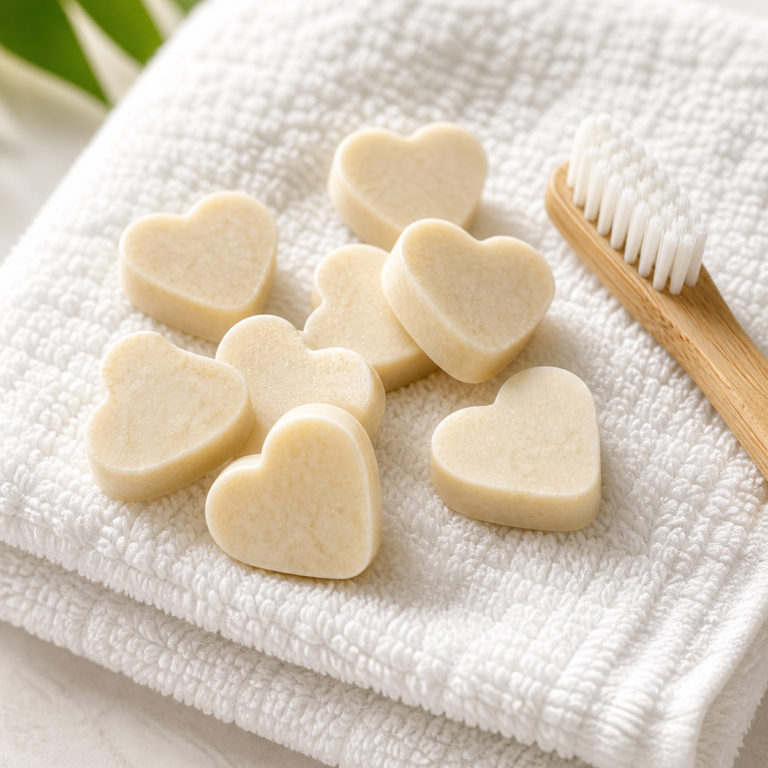
But today, I want to share something a little different with you — homemade coconut oil pulling chews. They’re simple to make, mess-free to use, and they gently help cleanse the mouth by removing bacteria and plaque. Think of them as the easier, more practical cousin of traditional liquid oil pulling.

What Is Oil Pulling?

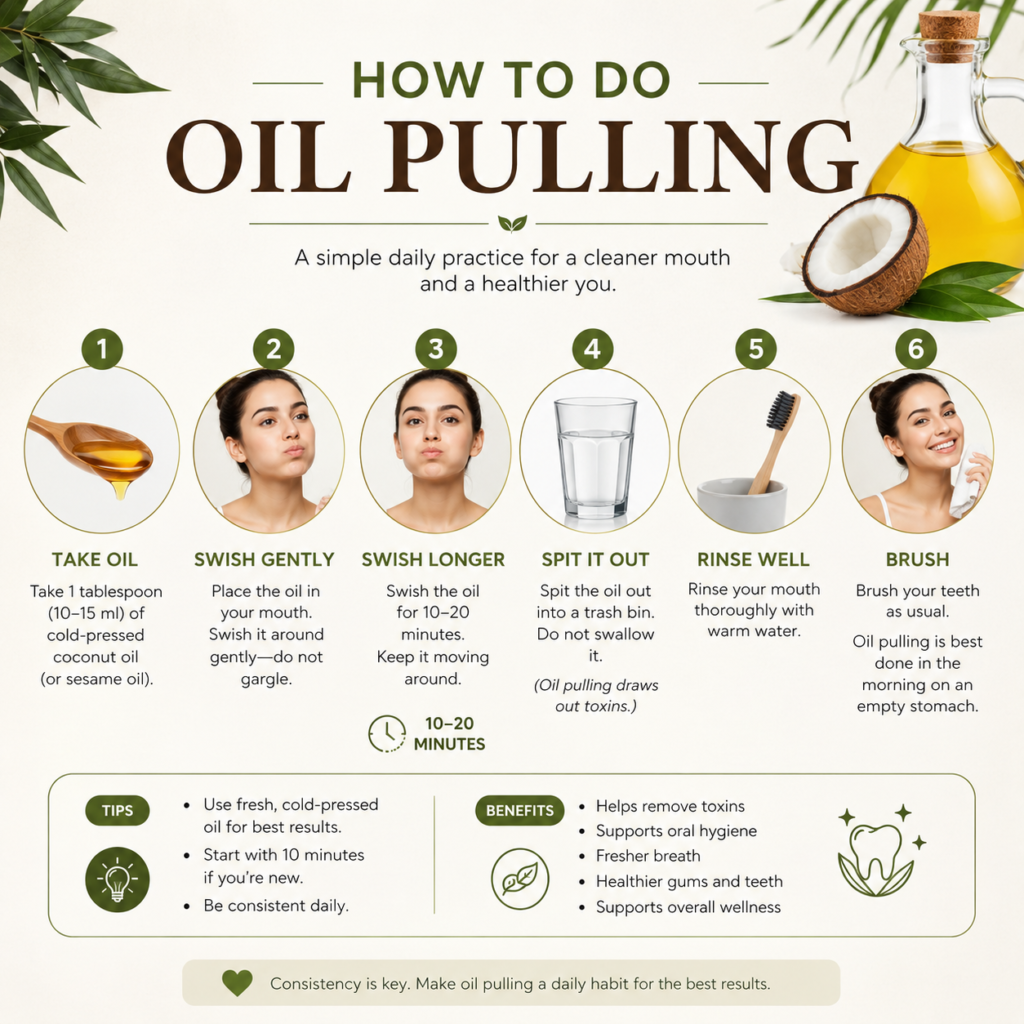
Oil pulling is an ancient Ayurvedic practice that involves swishing oil in your mouth for a period of time — traditionally 10 to 20 minutes — to draw out toxins, bacteria, and impurities.

The science behind it is actually quite simple. Many harmful oral bacteria have a fatty outer layer. When you swish oil, the fat in the oil binds to this outer layer — a process called emulsification. As you continue swishing, more and more bacteria get trapped in the oil. When you finally spit it out, you’re literally pulling bacteria from your mouth.

Coconut oil is especially powerful for this purpose because it’s naturally rich in lauric acid, a medium-chain fatty acid that has strong antimicrobial and anti-inflammatory properties. Multiple studies have shown that coconut oil pulling can significantly reduce Streptococcus mutans — the primary bacteria responsible for tooth decay and cavities.

Why 10 Minutes?

You might see some sources recommending 15 or even 20 minutes. And yes — longer can be beneficial. But here’s what I’ve learned through personal practice and research:

Ten minutes is the sweet spot. It’s long enough for the oil to effectively emulsify with saliva and trap a meaningful amount of bacteria, but short enough to actually be sustainable in real life. Because let’s face it — if something feels impossible, we simply won’t stick with it.

Research supports this too. A study published in the Journal of Ayurveda and Integrative Medicine found that even 10 minutes of consistent oil pulling with coconut oil showed measurable reductions in harmful oral bacteria levels. Consistency matters far more than duration — a 10-minute daily practice beats a 20-minute occasional attempt every single time.

Benefits of 10-Minute Coconut Oil Pulling

Here’s what this simple practice can actually do for your oral and overall health:

  • Naturally reduces harmful bacteria and plaque — without harsh chemicals, alcohol, or artificial ingredients. Coconut oil pulls bacteria mechanically while its lauric acid works antimicrobial.
  • Supports healthy gums — the gentle swishing motion stimulates gum tissue and increases blood circulation, which supports natural healing. The anti-inflammatory properties can help reduce gum redness and tenderness.
  • Naturally fresher breath — oil pulling removes odor-causing bacteria rather than just masking smells like conventional mouthwashes. It addresses the root cause.
  • Helps whiten teeth naturally — many people, myself included, notice visibly brighter teeth within just a week or two of consistent practice. The oil binds to surface stains and gently lifts them away.
  • May help prevent cavities — by reducing Streptococcus mutans bacteria — the main culprit behind tooth decay. Fewer cavity-causing bacteria means a healthier oral environment and lower cavity risk.
  • Supports overall detoxification — in Ayurveda, the mouth is considered a mirror of the body. A cleaner oral environment reduces the overall toxic load on your immune system daily.
  • Soothes dry mouth — the oil naturally stimulates saliva production and coats oral tissues, helping those who struggle with chronic dry mouth.
  • Supports jaw health — the gentle, rhythmic swishing motion engages jaw muscles without strain, keeping them active in a healthy way.

Homemade Coconut Oil Pulling Chews: The Recipe

This is the exact recipe we use at home. It’s simple, requires just a few ingredients, and makes oil pulling much more manageable — especially if you struggle with the texture of liquid oil.

Ingredients

  • 1/4 cup organic virgin coconut oil (solid state)
  • 2-3 drops of food-grade peppermint essential oil
  • 1-2 drops of tea tree essential oil (optional, but excellent for antimicrobial support)
  • 1-2 drops of clove essential oil (optional, wonderful for gum health)

Instructions

  1. If your coconut oil is melted, place it in the refrigerator for 15-20 minutes until it solidifies. You want it firm enough to scoop but soft enough to work with.
  2. Scoop the solid coconut oil into a small bowl. Add your essential oils of choice.
  3. Using a fork or small whisk, blend the essential oils thoroughly into the coconut oil. Make sure they’re evenly distributed.
  4. Scoop small portions — about half a teaspoon each — and shape them into small, bite-sized chews. You can use a small silicone mold, an ice cube tray, or simply shape them by hand.
  5. Place the chews on a parchment-lined plate or tray and refrigerate until firm — usually 15 to 20 minutes.
  6. Once firm, transfer them to an airtight glass jar and store in the refrigerator. They’ll keep for several weeks.

How to Use Your Coconut Oil Pulling Chews

 Oil Pulling with Coconut Oil

Using these chews is wonderfully simple, which is why they’ve become our family’s preferred method:

  1. Take one chew or simple oil  from the jar.
  2. Place it in your mouth and let it melt slightly — about 10 to 15 seconds.
  3. Begin gently swishing the melted oil around your mouth, pushing and pulling it through your teeth.
  4. Continue swishing for 10 minutes. This is important — set a timer on your phone or play a song. The time goes faster than you think.
  5. Spit into a trash bin — never the sink! Coconut oil can solidify and clog your pipes over time.
  6. Rinse your mouth thoroughly with warm water. You can follow with your regular brushing routine if desired — though honestly, after oil pulling, your mouth already feels incredibly clean.
  7. Repeat daily, preferably first thing in the morning on an empty stomach.

Helpful Tips (I Learned These the Hard Way!)

A few things I wish someone had told me when I first started:

  • Start gently. There’s no need to swish aggressively, especially in the beginning. Gentle and steady is far more effective than vigorous swishing.
  • Don’t gargle. Keep the oil in your mouth, not your throat. Swish gently between teeth and around your gums.
  • The texture adjustment is real. The first few times feel unusual. By day four or five, it becomes completely normal. Your brain adapts surprisingly fast.
  • Warm the chew slightly if needed. If your chews are rock-hard from the fridge, let one sit at room temperature for 2-3 minutes before using.
  • Expect saliva. The oil volume will increase as you swish because it emulsifies with your saliva. This is exactly what you want — that emulsification is where the bacteria-trapping magic happens.
  • Don’t swallow. The oil now contains trapped bacteria and toxins. Always spit it out into a trash bin.
  • Consistency beats perfection. Ten minutes daily will bring far more noticeable results than twenty minutes once a week. Build the habit first, optimize later.

What to Expect: A Real Timeline

Here’s what I personally experienced, and what many readers have reported back to me:

Days 1–3

The feeling is unfamiliar. Ten minutes feels longer than expected. But your mouth feels undeniably cleaner afterwards — noticeably fresher and smoother.

Days 4–7

The routine starts to feel normal. Morning breath is noticeably less intense. Your teeth begin to look a little brighter, especially in natural light.

Week 2

You’ll genuinely look forward to it. Gums look healthier and pinker. Your mouth has a fresh, clean feeling that lasts through the day.

Week 3–4

Visible results. Teeth are brighter, gums feel firmer and healthier, and that fuzzy morning mouth feeling is significantly reduced — sometimes completely gone.

Beyond One Month

Oil pulling has become second nature. It now feels like an essential, almost sacred part of your morning — something you genuinely miss if you skip a day.

Common Questions

Can I oil pull with coconut oil if I have sensitive teeth?

Yes. In fact, many people with tooth sensitivity find coconut oil pulling soothing. The oil forms a gentle protective coating and is naturally anti-inflammatory, which can reduce sensitivity over time.

Is 10 minutes really enough?

Research suggests that 10 minutes of consistent daily use provides meaningful antibacterial benefits. While 15-20 minutes is traditional, 10 minutes is absolutely sufficient — especially if it means you’ll actually stick with the practice daily.

Can kids do oil pulling?

Children who are old enough to reliably swish and spit (generally age 6 and up) can try oil pulling with supervision. Always ensure they understand not to swallow the oil.

Do I still need to brush my teeth?

Most people still benefit from gentle brushing, especially with a natural remineralizing toothpaste. Oil pulling doesn’t replace mechanical cleaning — it enhances it.

Can I use other oils?

Sesame oil is the traditional Ayurvedic choice and works well. However, coconut oil is preferred in modern practice because of its high lauric acid content and more pleasant, palatable taste.

Is oil pulling safe during pregnancy?

Coconut oil pulling is generally considered safe during pregnancy, but please consult your healthcare provider or midwife before beginning any new oral health practice.

A Note on Detox Symptoms

When you first start oil pulling consistently, some people experience mild “detox” symptoms — slightly increased mucus, mild headache, or a coated tongue. This is typically temporary and a sign that your body is clearing out accumulated bacteria and toxins. Drink plenty of water, and these symptoms usually resolve within a few days.

However, listen to your body. If anything feels seriously off, pause the practice and consult a healthcare professional.

Our Family’s Experience

I started this practice alone. Then my husband — the biggest skeptic in the house — noticed how much better my breath was in the mornings and got curious. Now he has his own jar of chews labeled in the fridge.

Our older kids have tried it too, though with them I’m happy if they manage even five minutes. The goal isn’t perfection — it’s building a healthy, natural relationship with oral care that feels good and sustainable.

What I love most is that this practice costs pennies per use, requires no plastic packaging, and uses ingredients I can actually pronounce and trust. It feels like reclaiming something simple and powerful that modern marketing convinced us we needed corporations to provide.

Other Recipes We Use and Love

As I mentioned, oil pulling is just one piece of our family’s natural oral care routine. Here are the other recipes and methods that have genuinely transformed our dental health:

  • Homemade remineralizing toothpaste
  • Squeezable homemade toothpaste
  • Natural whitening toothpaste
  • Simple whitening toothpaste recipe
  • Herbal homemade mouthwash

Let’s Talk!

Now I’d truly love to hear from you.

Ever tried coconut oil pulling? How did it work for you? Did you notice any changes — good, bad, or surprising? Do you prefer liquid oil or chews?

And if you haven’t started yet, what’s been holding you back? Drop a comment below and let’s have a real conversation. I read every single one and do my best to respond.

The messy, imperfect, real experiences are always the most helpful — so please, don’t hold back.

Disclaimer

I am not a dentist or medical professional. The information shared in this article is based on my personal experience, research, and traditional Ayurvedic knowledge. It is not intended to diagnose, treat, or cure any condition. Please consult a qualified healthcare provider before making changes to your oral care routine. Your health is precious — take good care of it.

Morning Routine for Mental Health: A 15-Minute Natural Protocol Backed by Neuroscience and Personal Experience

I was that person who woke up already exhausted.

For years, hitting the snooze button until the very last second, grabbing my phone to check emails before my eyes were even fully open, and shuffling to the coffee maker was my idea of a “normal” morning. I assumed I was simply a night owl. The real truth? I was most likely damaging my own brain chemistry without knowing it.

As someone who has spent over five years studying natural health protocols, I once believed morning routines were just for Instagram influencers with marble countertops. Everything shifted when I began treating my mornings as a biological reset rather than a performance test.

Over time I tested many popular hacks: the 5 AM club, cold plunges, mirror affirmations. Most either wasted my time or left me feeling worse, and I will explain why “positive affirmations” in particular can actually backfire. After studying data from sleep clinics and neuroscience research, I trimmed my entire routine down to just 15 minutes using five natural habits. No expensive gadgets. No supplements. Just the approach your biology already expects.

Below is the exact step-by-step guide that transformed my mental clarity and noticeably reduced my afternoon anxiety, and how you can begin trying it tomorrow morning.

Part 1: Why Your Current First 15 Minutes May Be Hurting Your Mental Health

Before we fix the problem, let us understand what the “Standard Modern Morning” actually looks like. You wake up with your heart already racing from an alarm, grab the phone sitting on the nightstand, and immediately scroll through notifications.

Here is what research suggests is happening inside your brain during those first ten minutes:

1. Dopamine Hijacking

Neuroscientist Tj Power explains that reaching for your phone the moment you wake up may train your brain to expect easy rewards with zero effort. You are essentially conditioning your brain to crave cheap hits of social validation before you have even sat upright.

2. Cortisol Spike

Scrolling through negative news or work-related emails can trigger a threat response in the amygdala. A 2020 study published in Health Psychology found that exposure to stress in the morning predicts higher cortisol levels that persist throughout the rest of the day.

3. Circadian Confusion

Artificial blue light signals to your brain that it is already midday, while your body is aware it is only 6 AM. Research from Harvard Medical School shows that blue light suppresses the sleep hormone melatonin for approximately twice as long as green light and can shift your internal clock by as much as three hours.

My Personal Failure: For two full years, I experienced what I can only describe as “morning dread.” I would wake with a heavy pit in my stomach. I tried meditation apps repeatedly, but concentration was impossible. Eventually I realized I was attempting to meditate my way out of a chemical imbalance that my phone use itself was causing. Once I removed that trigger, my morning anxiety dropped significantly within two weeks.

Part 2: The 15-Minute Natural Morning Routine

This approach focuses on five core elements: Light, Water, Breath, Silence, and Movement. You do not need to leave your bedroom for most of it.

Step 1: The Light Habit (Minutes 0 to 3)

The Action: No screens. Open the blinds immediately upon waking.

Most articles simply tell you to “get sunlight” without explaining the reason. Your eyes need exposure to natural light within the first sixty seconds of waking. Research suggests this signals the brain to stop producing melatonin and instead begin releasing cortisol specifically designed for wakefulness and energy.

Therapist Julia Childs Heyl, writing for Verywell Mind, notes that light exposure bypasses normal visual processing and sends direct signals to the brain’s master internal clock, resetting the entire sleep-wake system.

I personally do not go outside immediately since I live in a busy urban area. Instead, I stand at my east-facing window while stretching. Even on overcast days, natural outdoor light is roughly one hundred times brighter than standard indoor lighting. This single change noticeably improved my sleep quality within one week, based on my personal sleep tracking data.

Step 2: The Hydration First-Pass (Minutes 3 to 5)

The Action: Drink one full glass of filtered water, either at room temperature or with warm lemon.

Your body loses approximately one to two liters of water overnight through breathing and perspiration. According to a 2018 study published in Physiology and Behavior, even mild dehydration representing just one to two percent of body weight can meaningfully impair cognitive performance, attention span, and memory.

The Coffee Question: You may have seen popular routines advising you to delay coffee until after water. I agree with that general order, but I do not believe coffee should become a complicated waiting game. My personal approach is simply to drink sixteen ounces of water while the coffee is brewing. Drinking strong black coffee on an empty, dehydrated stomach can intensify anxiety symptoms in certain individuals. Drinking water beforehand allows caffeine to absorb more gradually, which may reduce the jittery feeling.

Step 3: Breath Work and Gratitude (Minutes 5 to 8)

The Action: Respiratory reset followed by a mental shift.

This is the core mental wellness portion of the routine. You do not need a twenty-minute seated meditation session. A short, consistent micro-habit tends to be far more sustainable.

The 4-7-8 Breathing Method
  1. Inhale quietly through the nose for four seconds.
  2. Hold the breath for seven seconds.
  3. Exhale forcefully through the mouth for eight seconds.

A 2017 study in Frontiers in Psychology found that slow, deliberate breathing activates the parasympathetic nervous system, often called the “rest and digest” state, and significantly lowers perceived stress levels.

The Three Gratitudes Practice

Rather than immediately reviewing your mental to-do list, look out the window and name three things you can see that are either beautiful or simply functional. For example: “The tree outside is still green,” “I have a roof over my head,” or “The coffee smells good.”

A widely cited 2003 study by Emmons and McCullough found that participants who maintained weekly gratitude journals reported fewer physical health complaints and a more positive overall view of their lives.

I used to practice what people call “manifestation,” but it always felt artificial and forced. Gratitude feels entirely different. It trains your attention toward what is already present and working rather than what is missing. This practice has been the single most effective habit for reducing my morning dread.

Step 4: Intentional Morning Movement (Minutes 8 to 12)

The Action: Gentle physical movement done without music or a podcast playing in the background.

Most morning routine advice tells you to “work out.” But pushing yourself through a high-intensity workout while still groggy is a reliable way to quit within a week.

Instead, try five minutes of simple flow movement:

  • Ten cat-cow stretches
  • Five sun salutations
  • Or simply shake your entire body out loosely for sixty seconds

Why This Helps the Brain: Dr. Anna Lembke, author of Dopamine Nation, explains that rewards earned through effort are more sustainable for the brain than effortless stimulation delivered constantly. The goal here is to earn your dopamine rather than passively receive it.

The important rule: do not put on a podcast or scroll while moving. Let your thoughts wander freely. Research has linked mind-wandering to creative insight across multiple studies.

Step 5: A Nutrient-First Breakfast (Minutes 12 to 15)

The Action: At least twenty grams of protein with minimal added sugar.

You do not have to eat immediately after waking up, but if you eat within the first hour, it is worth being intentional about what you choose.

A 2014 study published in Nutrition Journal found that high-glycemic breakfasts, meaning those high in rapidly digested sugars, cause a sharp blood glucose spike followed by a crash. The body then releases adrenaline and cortisol to restore normal blood sugar levels. This pattern has been linked to reported feelings of panic or irritability in people who are sensitive to blood sugar changes.

Simple and effective options include Greek yogurt, eggs, or a protein-based smoothie.

Part 3: The Interactive Checklist

Time Block Action Brain Chemistry Goal
Minute 0 Alarm off. Eyes open. Phone stays down. Lower acute stress response
Minute 1 Open blinds. Look outside for 60 seconds. Support circadian rhythm
Minute 3 Drink 16oz water. Start brewing coffee if desired. Hydrate the prefrontal cortex
Minute 5 4-7-8 breathing, four cycles. Activate parasympathetic system
Minute 8 Five minutes of stretching, shaking, or walking. Support dopamine regulation
Minute 13 Eat protein. Minimal sugar. Stable blood glucose
Minute 15 Phone is now allowed. You have earned it. Controlled stimulus

Part 4: What to Avoid — The Anti-Routine

Morning Routine for Mental Health

Here are three viral morning trends that research suggests may not work for everyone.

1. The Mirror High-Five or Positive Affirmations

The Viral Trend: Looking in the mirror and repeating phrases like “I love you” or high-fiving your own reflection.

The Research: A 2009 study by Wood and colleagues found that positive affirmations can backfire for people with low self-esteem. For those individuals, hearing statements that conflict with their inner beliefs created cognitive dissonance and actually increased anxiety rather than reducing it.

A Better Alternative: Stick with gratitude based on factually true observations rather than affirmations that may feel untrue or forced.

2. Making Your Bed the Moment You Wake Up

The Viral Trend: “Discipline and a productive day begin with making your bed.”

The Research: Dust mites thrive in warm, moist environments. A 2015 study published in Allergy found that leaving bedding unmade for at least thirty minutes allows accumulated moisture to evaporate, which reduces dust mite survival.

A Better Alternative: Make your bed after your shower, not the moment you climb out of it.

3. Intense Exercise Immediately Upon Waking

The Myth: You need a cold shower or a hard run to properly wake up and get going.

The Evidence: For natural night owls, meaning people with a biologically delayed circadian phase, forcing intense exercise immediately upon waking may cause unnecessary physical stress without providing any meaningful additional benefit. A 2019 study in Sports Medicine found that light activity such as walking or gentle stretching was equally effective for promoting morning alertness in later chronotypes.

Part 5: Frequently Asked Questions

Q1: What if I wake up in the dark during winter months?

This is where most wellness advice falls short. Here is what the research suggests combined with what I personally learned through five winters of experimentation.

The Issue With Standard Advice: Most modern home lighting uses LED or fluorescent bulbs that emit strong blue wavelength light in the 450 to 495 nanometer range. A 2014 study published in Nature found that blue light exposure at dawn may suppress melatonin and raise cortisol more abruptly than warmer light spectra, potentially contributing to feelings of anxiety in sensitive people.

The Natural Hubz Suggestion Based on Research and Personal Experience:

Consider using warm incandescent or halogen light for the first thirty minutes after waking. Here is a simple comparison:

Light Type Color Temperature What Research Suggests Morning Anxiety Risk
Incandescent or Halogen 2200K to 2700K (orange/yellow) Mimics sunrise spectrum. May support a gradual, gentler cortisol rise. Lower
Cool White LED 4000K to 6500K (blue/white) Mimics midday spectrum. May spike cortisol abruptly in sensitive individuals. Higher
Phone or Computer Screen 5000K and above Suppresses melatonin and may elevate stress signals simultaneously. Highest


My Personal Experience (Not Medical Advice):

I used to wake at 5:30 AM in December when it stayed dark until 7:30 AM. I would immediately turn on bright LED kitchen lights. Within ten minutes I often felt a wave of panic and battled brain fog until noon. I believed the root cause was linked to hormonal factors.

I then switched to a simple sixty-watt incandescent bulb in a bedside lamp. Within three days my morning dread dropped significantly. I cannot guarantee this outcome for everyone, but it helped me.

Practical Winter Morning Suggestions:

  1. Consider a sunrise alarm clock that transitions from red to orange light. These models minimize blue light during the waking phase. Philips Hue and budget Durapower models are commonly available.
  2. Use an incandescent or halogen lamp as your first light source for at least thirty minutes after waking.
  3. If you must use LEDs, consider amber-tinted blue-blocking glasses available for around fifteen dollars, or place orange theatrical gel over the fixture.
  4. Once natural daylight becomes available or after thirty minutes have passed, you can switch to brighter lights if needed.

Q2: I have a baby or young children. How can I adapt this?

Habit stacking is a well-supported behavioral strategy. A 2012 study in Health Psychology found that attaching a new habit to an existing daily behavior significantly improves how consistently people stick with it.

A practical example: when you go to pick up your baby in the morning, walk together to the nearest window and stand there for sixty seconds. This counts as your morning light exposure and doubles as bonding time. You do not need complete solitude. You simply need smart integration.

Q3: Can I listen to a podcast or audiobook during this routine?

Research on the hypnagogic state, the transitional window between sleep and full wakefulness, suggests this period involves theta brain waves shifting into alpha waves. This state is associated with creative thinking and memory consolidation. A 2019 study in Scientific Reports found that feeding external information into your brain during this window may interfere with the natural consolidation your brain is trying to complete.

The suggestion: save podcasts and audiobooks for after breakfast, at least thirty or more minutes after waking.

Q4: My mornings are already stressful because of work. What if I wake up late?

Use what I call the minimum effective dose for recovery. A 2018 study found that even two minutes of slow, intentional deep breathing significantly reduced measurable acute stress markers in participants.

What tends to work: splash cold water on your face, which activates the mammalian dive reflex and can lower heart rate, then take ten slow, deep breaths. Two minutes of deliberate breathing is almost certainly better than zero minutes.

Conclusion: Your Own Data Matters More Than Viral Trends

The internet is full of rigid routines designed to work for everyone, which usually means they work well for very few people. The Natural Hubz philosophy is simpler: work with your own biology and pay attention to what your body actually responds to.

I have followed some version of this fifteen-minute routine for over five years. I have tried elaborate, complicated regimens and quit every single one. This approach sticks because it gives me energy rather than demanding excessive willpower to maintain.

Suggested action plan for tomorrow morning, try it for seven days:

  1. Tonight, place your phone across the room before bed.
  2. When the alarm sounds, open the blinds. If it is dark, turn on a warm incandescent lamp.
  3. Drink water. Breathe slowly. Move gently.

Many people report a meaningful improvement in morning mental fog by day three, though individual results will vary.

Have you tried keeping your phone down for the first fifteen minutes after waking? Feel free to share your thoughts with us down in the comments. I read every one.

Medical Disclaimer: This article is for informational purposes only and is not a substitute for professional medical advice. Always consult a qualified healthcare provider for mental health concerns. Individual results may vary.

7-Day Ayurvedic Diet Plan for Glowing Skin (Clear Acne Naturally)

If you’ve been desperately searching for a 7-Day Ayurvedic Diet Plan for Glowing Skin (Clear Acne Naturally), you’ve finally landed in the right place. Perhaps you’ve also looked for an Ayurvedic diet for acne, a natural skin detox diet, or a practical Indian diet for clear skin — only to find generic advice that doesn’t work. I know your frustration — the expensive creams, the stubborn hormonal breakouts, the dullness that refuses to fade.

For over 12 years, I battled the same skin nightmares until my grandmother revealed a truth that changed everything: “Asli nikhaar rasoi se aata hai, cream ki bottle se nahi.”

This isn’t a theoretical blog post. This is a practical plan that transformed my acne-ridden, inflamed skin into clear, radiant skin — naturally. And while I share traditional Ayurvedic wisdom, I also reference modern scientific findings where available, always using language that reflects the strength of the evidence.

Quick Summary: 7-Day Ayurvedic Skin Diet at a Glance

Scan this chart to understand your week’s journey. Detailed recipes and explanations follow below.

Day Focus Goal Morning Ritual Key Foods Skin Benefit
Day 1 🔥 Pitta Pacifying Calm Systemic Inflammation Copper water + Aloe-Amla shot Moong Dal Chilla, Lauki Sabzi, Masoor Dal Soup May help reduce redness and active acne heat
Day 2 💧 Channel Flushing Move Lymph & Hydrate Saffron-soaked raisins Stewed Apple & Fig, Beetroot Poriyal, Pumpkin Soup Supports dewy hydration, may lighten dark spots
Day 3 🕊️ Ama Pachana Burn Sticky Toxins Warm ginger water Hand-Pounded Poha with Turmeric, Kitchari Supports detox glow, may reduce puffiness
Day 4 🌿 Tikta Rasa (Bitter Taste) Activate Liver Detox Methi Thepla with Besan Karela Sabzi, Jowar Roti, CC Tea May support oil control and hormonal acne prevention
Day 5 🌸 Hormonal Rebalance Nourish Reproductive Tissue Sweet Potato Toast with Flaxseed Chana Dal with Bathua, Whole Green Moong May support PCOS acne control and chin clarity
Day 6 🥒 Rasayana (Rejuvenation) Rebuild Collagen & Elasticity Chyawanprash + Soaked Almonds Coconut Cucumber Raita, Rajma, Mulethi Tea Supports skin firmness, may help stress-acne
Day 7 ✨ Radiance Synthesis Ground the Nervous System Saffron Almond Milk with Figs Balanced Celebration Platter, Nutmeg Turmeric Milk Supports a celebratory glow and skin barrier repair

The Ayurvedic Logic of Skin Health (Why Your Cream May Not Be Enough)

Before we step into the kitchen, we must understand the “why.” Western dermatology often treats the skin as an isolated organ. Ayurveda sees the skin (Twak) as a mirror of your internal environment, specifically your plasma (Rasa Dhatu) and blood (Rakta Dhatu).

If your skin is breaking out, traditional Ayurvedic theory suggests your body may be trying to expel waste through your pores because the colon, liver, and kidneys are overloaded.

The Three Doshas and Your Skin Type

Vata Skin (Air + Ether): Tends to be thin, dry, and prone to early wrinkling and dark circles. When aggravated, the diet may be too cold and raw.

Pitta Skin (Fire + Water): Tends to be sensitive, reddish, prone to acne, rosacea, and inflammation. This may be associated with excessive spicy, fried, and sour foods.

Kapha Skin (Earth + Water): Tends to be oily, thick, and prone to cystic acne, whiteheads, and water retention. This may be linked to heavy dairy, sugar, and fried food consumption.

My Personal “Aha” Moment: I realized I am a classic Pitta-Kapha constitution. I was eating spicy sabzi with heavy paneer, topped with a cold dessert. Traditional Ayurvedic theory suggests this combination may create digestive imbalance — heat mixed with mucus — and my chin was the visible result. This 7-day plan focuses heavily on cooling and lightening foods that may help support clearer skin.

The 4 Pillars of Ayurvedic Eating for Skin (Must Read Before Starting)

These are non-negotiable rules I apply every single day, not just during this 7-day reset.

1. The Holy Trinity of Digestion (Agni, Ama, Ojas)

Agni (Digestive Fire): A balanced digestive fire supports proper nutrient absorption. When digestion is sluggish, undigested food may ferment.

Ama (Toxins): This refers to the sticky residue of incomplete digestion. In my experience, a white coating on the tongue in the morning is often associated with Ama buildup. Where there is Ama, breakouts and dullness tend to follow.

Ojas (Vital Glow): The final essence of perfect digestion. You cannot fake Ojas with highlighter. It’s a soft, serene luminosity that is believed to come from a calm nervous system and clean blood.

2. The Six Tastes (Shad Rasa)

A meal lacking all six tastes may create cravings and nutritional gaps. The skin-damaging taste pattern often involves overconsumption of Katu (Pungent/chili) and Amla (Sour/vinegar/tomato puree). For glowing skin, this plan prioritizes Tikta (Bitter) and Madhura (Naturally sweet like ghee and dates).

3. Food Combining (Viruddha Ahara)

This was my biggest blunder. I used to think fruit salad with milk was healthy. In Ayurveda, this combination is traditionally avoided.

  • Avoid mixing fruit with dairy (no milkshakes, fruit yogurts). Ayurvedic texts state this may overwhelm the digestive system.
  • Avoid honey heated above 40°C. Heating may alter its natural properties.
  • Limit mixing raw and cooked foods in the same mouthful (like a salad with hot dal). This may create digestive stress for some individuals.

4. Eating with the Circadian Clock

Your metabolism tends to be strongest when the sun is at its peak. I changed my life by eating my heaviest meal between 12 PM and 2 PM. If I get home late and eat a heavy dinner at 9 PM, I personally wake up with a new pimple the next morning. It’s a direct correlation for me.

The Week Before You Start: The Pre-Detox (My Experience)

You cannot shock the body. Three days before the 7-day plan, I eliminate these items, and I suggest you do the same:

  1. The White Poisons: White sugar, maida (refined flour), and white salt (switch to pink rock salt). These are often linked to inflammation.
  2. Midnight Dairy: No processed cheese, no cold ice cream, no milk at night. Heavy dairy at night may contribute to Kapha aggravation and morning congestion.
  3. Cold Drinks: No iced water or aerated drinks. They may weaken the digestive fire according to Ayurvedic principles.
  4. Nightshade Caution: For Pitta skin, I severely limit raw tomatoes, green chilies, and brinjal for this week. They may trigger histamine responses and redness in sensitive individuals.

The Morning Ritual (Dinacharya) to Pair with This Diet: Before eating anything, I do the Gandusha (oil pulling) with cold-pressed coconut oil and scrape my tongue. If I don’t scrape the toxic coating off my tongue and drink water, I am essentially swallowing those toxins back into my system.

The 7-Day Ayurvedic Diet Plan (Detailed)

Ayurvedic Diet Plan for Glowing Skin

This is a plant-forward, satvic approach with easy-to-find Indian kitchen ingredients. I’ve lived in hostels and now live a busy working life, so I know these recipes need to be fast.

Day 1: Calm the Fire (Pitta Pacifying) 🔥

Goal: Diffuse systemic inflammation.

Upon Waking (6:30 AM): 1 glass of copper-charged water (room temperature). Drink it slowly sitting down.

Pre-Breakfast Detox Drink: A shot of Amla juice (15ml) mixed with Aloe Vera juice (20ml). This is my personal “skin tonic.” Amla is traditionally valued as an acid neutralizer, and aloe vera is believed to cool the liver.

Breakfast (8:30 AM): Moong Dal Chilla (Yellow Lentil Pancakes)

Why: Yellow moong is astringent and extremely light to digest. It may help dry up excess oil (Sebum) from inside without causing dryness.

Recipe: Soak yellow moong for 4 hours. Grind with a pinch of ajwain (carom seeds). Cook on a cast iron pan with a drop of cow’s ghee.

Mid-Morning Snack: 1 ripe pear. Pears have a cooling energy and fibrous texture that may help cleanse the bile ducts.

Lunch (1:00 PM): Lauki (Bottle Gourd) Sabzi + Phulka + White Pumpkin Raita

The Magic of Lauki: I call it the “dermatologist vegetable.” It’s 96% water and is traditionally believed to heal the gut lining. I add a teaspoon of fresh mint chutney (no tamarind) for digestive enzymes.

Phulka: Dry roasted, no ghee on top right now. Let it be dry to absorb excess acid.

Evening Drink (4:00 PM): Shatavari + Rose Petal Tea

Boil 3-4 fresh rose petals (organic) and a quarter teaspoon of Shatavari powder. Rose is traditionally used as a blood purifier. Shatavari is a cooling adaptogen that may specifically help with hormonal acne in women.

Dinner (7:00 PM): Masoor Dal Soup

Red lentils cooked thin with a little coriander powder and rock salt. Not too thick; this is a liquid dinner. I find sleeping on a light stomach supports waking up with no new pimples.

Day 2: Flush the Channels (Internal Hydration) 💧

Goal: Move the lymphatics.

Upon Waking: 5-7 soaked raisins with 2 strands of saffron. Soak them overnight. Saffron is traditionally revered as a blood purifier (Raktashodhak). I find it may help lighten dark spots over months.

Breakfast: Stewed Seasonal Fruit

Chop one apple and one fig. Cook down in a pan with a stick of cinnamon. No sugar. The warm, mushy texture is incredibly easy to digest. Cold raw fruit in the morning may be too hard on a weak Agni.

Lunch: Beetroot Poriyal + Spinach Dal with Red Rice

Beetroot supports blood building, but do not eat it raw. Cooking it in a tadka of mustard seeds and curry leaves makes it tri-doshic. Red rice is high in fiber and zinc, which is essential for acne repair.

Evening: Herbal tea with 1 tsp Triphala Churna. Triphala is widely used in Ayurveda to support digestive health. A 2017 review published in the Journal of Alternative and Complementary Medicine (PMID: 28696777) noted that Triphala’s polyphenols may help modulate the human gut microbiome, promoting beneficial bacteria like Bifidobacteria and Lactobacillus while potentially supporting overall digestive comfort. A 2018 review in Chinese Medicine further suggested that Triphala may offer benefits for lower GI symptoms, though researchers emphasize that larger, high-quality clinical trials are still needed to confirm these effects.

Dinner: Pumpkin Soup with Basil

No onion, no garlic today. Onion and garlic are heating, and while they have medicinal value, avoiding them for 2-3 days in a skin detox may help calm the sweat glands.

Day 3: Digest the Past (Ama Pachana) 🕊️

Goal: Burn up the sticky toxins.

Upon Waking: Warm ginger water. Slice fresh ginger and steep for 10 minutes.

Breakfast: Hand-Pounded Poha with Turmeric Leaves

I use turmeric leaves (if you can find them) to steam the poha. It imparts a medicine-like quality to the rice flakes. Add steamed peanuts and grated coconut.

Lunch: The Kitchari Detox (The Ayurvedic “Reset Button”)

Kitchari Recipe (Ideal for Skin):

  • Ingredients: 1/2 cup Split Yellow Moong, 1/4 cup Red Rice (for chewiness).
  • Spices: Turmeric (2 pinches), cumin, fennel, and a heavy dose of curry leaves.
  • The Secret: I fry the spices in a tablespoon of cow ghee until the aroma fills the kitchen, then I add the lentils. Ghee is vital here. It may help lubricate the intestinal wall and carry fat-soluble skin vitamins deep into the micro-circulatory channels.

Dinner: If hungry, just the watery liquid skimmed off the top of the Kitchari (Ama Pachana Yusha).

Day 4: Celebrate the Bitter (Tikta Rasa Day) 🌿

Goal: Activate liver detox enzymes.

Most people skip bitter food, but bitter is the taste your skin craves. It is traditionally believed to clean the blood.

Breakfast: Methi (Fenugreek) Thepla

Fresh fenugreek leaves dough with chickpea flour (besan). Besan is naturally alkaline and a great internal exfoliant. An Ayurvedic diet for acne often includes methi because it is traditionally valued for its cleansing properties. Modern research also suggests fenugreek may help support balanced blood sugar levels. A 2025 updated meta-analysis in Avicenna Journal of Phytomedicine, which pooled data from multiple controlled trials, reported that fenugreek intake was associated with significant improvements in fasting blood glucose and post-meal glucose levels. A separate 2024 review exploring fenugreek’s biological mechanisms proposed that its active compounds may support glucose transporter activity and pancreatic beta-cell function, though researchers recommend further long-term studies to establish definitive clinical protocols. For those following a natural skin detox diet, methi is a powerful addition.

Lunch: Karela (Bitter Gourd) Sabzi + Jowar Roti

Honest Truth: I used to hate karela. Now, I slice it thin, marinate it in rock salt and turmeric to pull out the bitterness, and pan-fry it in mustard oil until crisp (like chips). It is traditionally believed to support the liver. If you eat karela once a week, your skin may stop feeling oily by 4 PM.

Evening: CC Tea

A digestive infusion of Jeera (Cumin), Dhania (Coriander), and Saunf (Fennel). Equal parts boiled. This is the CC Tea — the ultimate tri-doshic coolant.

Dinner: Steamed broccoli and carrot with a squeeze of lemon. Keep it raw-free (steamed) to protect the Vata.

Day 5: The Hormonal Rebalance (Shatavari & Flax Day) 🌸

Goal: Nourish the reproductive tissue (Shukra Dhatu), which governs hormones.

Breakfast: Sweet Potato Toast

Slice sweet potato lengthwise, toast it in a pan. Top with a paste of flaxseed powder. Phytoestrogens in flax may help metabolize excess androgens (the number one cause of chin acne).

Lunch: Chana Dal with Bathua (Lamb’s Quarters) Greens

Bathua is the traditional winter blood purifier. I cook it in an iron kadhai to increase the iron content. Iron deficiency is associated with dull, sallow skin.

Mid-Day Glow Drink: 1 glass of warm water + 1 tsp of Aloe Vera juice with a pinch of turmeric. This may help keep the system alkaline and gently support the flushing out of excess hormones. For this day, we particularly rely on Shatavari. Classical Ayurvedic texts describe it as a rejuvenative for the female system. A 2018 article in Biomedicine & Pharmacotherapy (DOI: 10.1016/j.biopha.2018.04.003) proposed that Shatavari may help address stress-related female reproductive health issues — including symptoms associated with hormonal imbalance and PCOS — by potentially reducing oxidative stress and supporting the body’s natural antioxidant defences. Emerging computer-based research also suggests that Shatavari’s active compounds (shatavarins) could, in theory, interact with female hormonal receptors, though this mechanism is still being explored in laboratory settings and requires further validation.

Dinner: Whole Green Moong Soup.

Day 6: Collagen Building (Rasayana Day) 🥒

Goal: Rebuild tissue and elasticity.

Upon Waking: 1 tsp Chyawanprash — the authentic, south-Indian style with high Amla content. While classical Ayurvedic texts revere Chyawanprash as a rejuvenative (Rasayana), modern nutritional science recognizes Amla as one of nature’s concentrated sources of vitamin C, which is a well-established co-factor in the body’s natural collagen synthesis pathways. Emerging research continues to explore how traditional rasayana formulations may support skin health through antioxidant mechanisms. A good Indian diet for clear skin always includes such rejuvenating elements.

Breakfast: Soaked Almonds (Peeled) + Poppy Seed Laddoo

Almonds are warming and sweet; when soaked, they become easy to digest and create a heavy, lasting nutrition for the skin layer (Rasa Dhatu).

Lunch: Cucumber Raita (Non-Dairy Coconut Base) + Rajma (Kidney Beans)

Kidney beans are astringent and may help flatten raised bumps on the skin. The coconut yogurt raita is cooling.

Evening: Mulethi (Licorice) Tea

Licorice is traditionally used as a natural cortisol reducer. Stress is the silent killer of skin. I drink this every single evening during high-stress work weeks to prevent stress-induced forehead bumps.

Day 7: The Radiance Synthesis ✨

Goal: Ground the nervous system.

Breakfast: Soaked Figs + Saffron Almond Milk

Homemade almond milk, not packaged. Boil it with saffron and a date.

Lunch: A Full Celebration Platter

Everything you ate this week, in a balanced plate. A little kitchari, a little poriyal, a spoon of fresh chutney, and a fresh phulka.

The Royal Skin Milk (Before Bed)

1 glass of warm cow’s milk (A2 if possible), 2 crushed cardamom pods, a pinch of Nutmeg (Jaiphal), and a tiny pinch of turmeric.

My Experience: Nutmeg has traditionally been used as a calming spice. Turmeric contains curcumin, which may help support the body’s natural inflammatory response. Cardamom is believed to aid milk digestion. I find this combination helps me sleep more peacefully, and I never miss this on Day 7.

Troubleshooting and Personal Pitfalls (Do Not Skip This)

In my years of practice, I have seen people fail this diet not because it doesn’t work, but due to these specific mistakes. I’ve made them myself.

Why Am I Breaking Out More on Day 3?

This may be what some call a “Healing Crisis” or Ama Vipaka. When you stop eating heavy food and take cleansing herbs like Triphala or Neem-spiced food, your body may push deep-seated toxins to the surface. You might get 2-3 whiteheads. Please, do not panic. Do not spot-treat it with Benzoyl Peroxide. Just steam your face with neem leaves and let it flow out. This usually passes by Day 5.

The Bloating Trap

If you feel bloated on the high-fiber meals, your Agni may be very low. Ginger may be your savior. Slice raw ginger, sprinkle lemon and rock salt, chew it 10 minutes before lunch. It may help prime the enzyme pump.

How to Eat Outside?

You cannot avoid a social life for 7 days. If you must eat out:

  • Order steamed food.
  • Ask for no cream/no artificial color.
  • Drink a glass of ginger-lemon warm water right when you get home to cut the fat.
  • Never feel guilty. Guilt is emotional Ama.

7 “Skin Sabotage” Foods I Completely Quit (Based on My Food Journal)

For 3 years, I maintained a strict food-and-flare-up journal. Here are the absolute worst offenders for Indian skin:

  1. Bhujia & Mixtures: Deep-fried gram flour. It may be abrasive to the intestinal villi and may create extreme heat.
  2. Fruit Custard (with fresh fruit & milk): The ultimate Viruddha Ahara. A guaranteed mega-pimple for me within 6 hours.
  3. Microwaved Leftovers: In Ayurveda, food is said to carry Prana (life energy). Food left overnight and then reheated is often described as Tamasic. Many practitioners believe Tamasic foods may contribute to dull, lethargic skin.
  4. Excess Raw Salads: Vata triggers. I personally find that massaging them with lime and oil and eating them at lunchtime helps me digest them better, rather than eating them cold at dinner.
  5. Cold Drinking Yogurt (Lassi with Ice): It may shock the liver and may solidify mucus.
  6. Peanuts: They can be heavy to digest for certain body types, and some individuals find them associated with comedonal acne on the cheeks.
  7. Commercial Fruit Juices: Stripped of fiber, pure sugar spike leading to glycation (hardening and aging of collagen).

Frequently Asked Questions (FAQs)

Q1: Can I Drink Coffee During This Plan?

Look, I am realistic. Coffee is a vasoconstrictor. If you are a severe addict, have one cup of filtered black coffee, but balanced with cardamom powder and never on an empty stomach. Drinking coffee on an empty stomach may spike cortisol, and chronically elevated cortisol has been associated with collagen breakdown in some studies. I replaced coffee with roasted Dandelion root tea; it tastes similar and is traditionally used to support liver function. This swap fits well within any natural skin detox diet.

Q2: Will I Lose Weight on This Diet?

Likely, yes. But it’s “Ama weight,” not muscle loss. Your face may look chiseled because the water retention (bloating) around your eyes and cheeks may disappear. My cheekbones appeared on Day 4!

Q3: Is This Diet Vegetarian or Vegan?

It is primarily lacto-vegetarian. I use A2 Cow Ghee. Ghee is not optional for glowing skin; it contains butyric acid that may help heal leaky gut. Vegan readers can swap milk for almond/coconut milk and ghee for cold-pressed coconut oil (in food).

Q4: How Long Until I See That “Glass Skin” Effect?

It takes approximately 28 days for the epidermis to turn over. You may see a clarity and a reduction in redness by Day 7. The real “glow” often comes around Day 21 of consistently eating like this. Patience is the sixth taste in Ayurveda.

Q5: I Have PCOS — Can This Help With My Chin Acne?

Research suggests that low-glycemic eating patterns and specific herbs like Fenugreek and Shatavari may support healthier insulin and hormone balance. While individual results vary, an Ayurvedic diet for acne like this one, combined with stress management, may offer meaningful support for PCOS-related skin concerns. Many women following an Indian diet for clear skin find this approach helpful.

Q6: Can Men Follow This Skin Diet Plan?

Yes, 100%. The principles of Pitta pacifying and Ama clearing are gender-neutral. Men with oily, acne-prone skin may benefit massively from the bitter taste (Day 4) and the avoidance of heavy dairy.

Q7: What If I Feel Hungry Between Meals?

Sip hot water. Thirst often disguises itself as hunger. If you genuinely need food, have a handful of steamed mung beans or a ripe banana. Never ignore true hunger, but also don’t mistake boredom for hunger.

Scientific References

The following peer-reviewed studies form the evidence base referenced in this article. Claims are framed appropriately based on the strength of available evidence.

  1. Peterson CT, et al. Therapeutic Uses of Triphala in Ayurvedic Medicine. J Altern Complement Med. 2017. PMID: 28696777.
  2. Tarasiuk A, et al. Triphala: current applications and new perspectives on the treatment of functional gastrointestinal disorders. Chin Med. 2018.
  3. Chehregosha F, et al. The effects of fenugreek seed on glycemic parameters: An updated systematic review and meta-analysis. Avicenna J Phytomed. 2025.
  4. Antidiabetic potential of fenugreek: A magic herb for diabetes mellitus. PubMed. 2024.
  5. Pandey AK, et al. Impact of stress on female reproductive health disorders: Possible beneficial effects of shatavari. Biomed Pharmacother. 2018. DOI: 10.1016/j.biopha.2018.04.003.
  6. Molecular docking analysis of shatavarins with female hormonal receptors. PubMed. 2024.

Final Note: From My Kitchen to Yours

Sitting here writing this, sipping on my cumin-coriander-fennel tea, my skin has no active acne, just a faint scar from the war of my twenties. This 7-Day Ayurvedic Diet Plan for Glowing Skin (Clear Acne Naturally) is not a punishment. It’s a return to the intelligence of your own body.

Whether you call it an Ayurvedic diet for acne, a natural skin detox diet, or simply an Indian diet for clear skin — what matters is consistency. Start this plan on a Monday. By Sunday, that tight, itchy, inflamed feeling under your skin may feel noticeably calmer. Look in the mirror, and you won’t just see clear skin; you will see a grounded human being. That is the definition of Ayurvedic beauty.

My Parting Gift: Do not obsess over the mirror. Detox the mind while you detox the body. Stress will undo a perfect diet.

Disclaimer: I am an Ayurvedic lifestyle practitioner, not a medical doctor. This dietary plan is based on classical Ayurvedic texts, published scientific research (cited where applicable), and my personal lived experience. The information provided is for educational purposes only. Please consult a qualified vaidya or physician if you have specific autoimmune skin conditions like psoriasis or severe eczema, or before making significant dietary changes.