
Monday, November 16, 2026
spot_imgspot_imgspot_imgspot_img
Home Blog Page 3

How to Make Zero-Waste Natural Beauty Products at Home: 5 Beginner Recipes That Truly Work

“If you’re looking to make zero waste natural beauty products at home, you’ve come to the right place. Have you ever looked at your bathroom shelf and felt a pang of guilt about the mountain of plastic bottles destined for a landfill?…”

We’ve been there too. The global cosmetics industry churns out over 120 billion units of packaging every year, most of which is never recycled. But achieving glowing, healthy skin shouldn’t have to cost the earth.

That’s why we’re inviting you into your kitchen — the heart of your home — to become your own beauty alchemist. This guide is crafted for the complete beginner. We’ll walk you through 5 incredibly easy recipes using ingredients you likely already have, and empower you with the knowledge of why these recipes work. Let’s glow green, together.

1. Why Zero-Waste Beauty Matters (For You & Our Planet)

The shift towards a zero-waste natural beauty products usage routine is more than just a trend — it’s a conscious decision that benefits you just as much as our planet.

  • For Our Planet: The environmental impact of traditional beauty products is staggering. An average beauty enthusiast throws away about 27 pounds of cosmetic packaging annually. By making your own products, you’re directly cutting off this stream of single-use plastics at its source.
  • For Your Health: When you craft your own natural beauty products, you have 100% control over what you’re putting on your body. You’re saying goodbye to synthetic fragrances, questionable preservatives, and hidden toxins — especially beneficial for sensitive skin.
  • For Your Wallet: Creating your own sustainable beauty products from bulk-bin dry goods and kitchen staples is not only empowering but remarkably budget-friendly.

2. Your Beginner’s Guide to Kitchen Pantry Beauty Heroes

You don’t need a chemistry degree or exotic, expensive ingredients. The very best natural skincare products often start with these everyday kitchen staples:

Ingredient Beauty Benefit Our Favorite Use
Raw Honey Natural humectant (draws moisture) and antimicrobial Soothing face masks and hair treatments
Oatmeal (Ground) Rich in beta-glucans that soothe inflammation and gently exfoliate Calming face masks for sensitive/irritated skin
Coconut Oil Occlusive moisturizer rich in fatty acids, antibacterial properties Hair masks, makeup removers, body scrubs
Used Coffee Grounds Physical exfoliant; caffeine may temporarily stimulate circulation Invigorating full-body scrub (upcycled beauty!)
Aloe Vera Gel Powerhouse hydration, calms irritation without feeling heavy Face toner or after-sun treatment
Apple Cider Vinegar Balances skin pH and clarifies scalp, adds shine to hair Clarifying hair rinse (always heavily diluted)
Brown Sugar Softer, gentler exfoliant ideal for delicate skin areas Lip or hand scrub

3. 5 Essential Zero-Waste Recipes for Your Daily Routine

Here are five easy DIY recipes that form the foundation of a complete zero-waste skincare routine. We recommend making these in small batches to ensure ultimate freshness.

Recipe #1: Gentle Honey & Oatmeal Face Mask (For All Skin Types)

This mask is a global favorite — the epitome of gentle, effective skincare, perfect for calming reactive or sensitive skin.

What You’ll Need:

  • 2 tablespoons of raw organic honey
  • 1 tablespoon of finely ground oats (pulse whole rolled oats in a blender)
  • 1 teaspoon of warm water (to blend)

How to Make It:

  1. Mix ground oats and honey in a small, non-plastic bowl.
  2. Add warm water gradually, stirring into a smooth, spreadable paste.
  3. Apply to freshly cleansed, damp skin — avoid the eye area.
  4. Leave on for 10–15 minutes, then relax!
  5. Gently rinse with warm water using a reusable bamboo cloth, then pat dry.

Why It Works: Oats are packed with avenanthramides that soothe inflammation and gently exfoliate, while raw honey acts as a natural humectant and antimicrobial shield.

Recipe #2: Energizing Coffee Ground Body Scrub (The Ultimate Upcycled Beauty)

Give your morning coffee grounds a second life! This is the recipe that converts people to the upcycled beauty movement.

What You’ll Need:

  • 3 tablespoons of cooled, used coffee grounds
  • 2 tablespoons of carrier oil (fractionated coconut oil or olive oil)
  • 1 tablespoon of brown sugar

How to Make It:

  1. Combine all three ingredients in a small glass jar. Mix into a consistent paste.
  2. At the end of your shower, step away from the water and scoop out the scrub.
  3. Massage onto body skin using firm, circular motions — feet upward toward the heart.
  4. Rinse thoroughly. The oil will leave skin feeling soft and hydrated.

Why It Works: Coffee grounds physically exfoliate, the oil nourishes your skin barrier, and caffeine may temporarily tighten skin. Zero waste at its finest!

Recipe #3: Soothing Aloe Vera & Green Tea Toner (For Glowing, Calm Skin)

A completely natural alternative to alcohol-based commercial toners — this soothes, hydrates, and delivers antioxidants to protect against daily environmental stressors.

What You’ll Need:

  • 1/4 cup of pure, 100% aloe vera gel
  • 1/4 cup of strongly brewed green tea, completely cooled
  • (Optional) 1–2 drops of tea tree essential oil for acne-prone skin

How to Make It:

  1. Brew green tea and cool to room temperature.
  2. In a sterilized glass spray bottle, combine the cooled green tea, aloe vera gel, and essential oil (if using).
  3. Shake vigorously to combine.
  4. Spritz directly onto clean face or apply with a reusable cotton pad. Follow with moisturizer.

Why It Works: Aloe vera is packed with vitamins and enzymes that calm and moisturize. Green tea is rich in polyphenols — powerful antioxidants that fight premature aging.

Recipe #4: Nourishing Vanilla Brown Sugar Lip Scrub (For the Perfect Pout)

This simple scrub buffs away dry, flaky skin to leave your lips soft, smooth, and perfectly prepped for natural lip balm.

What You’ll Need:

  • 1 heaped teaspoon of fine brown sugar
  • 1/2 teaspoon of solidified coconut oil
  • 1 tiny drop of pure alcohol-free vanilla extract

How to Make It:

  1. In a small bowl, mix brown sugar and coconut oil into a gritty paste.
  2. Add the drop of vanilla extract and mix again.
  3. Gently massage onto lips in circular motions for about one minute. Don’t over-scrub!
  4. Rinse with lukewarm water or tissue off excess. Follow with natural lip balm.

Why It Works: Fine brown sugar is the perfect gentle exfoliant, and coconut oil instantly replenishes moisture for soft, kissable lips.

Recipe #5: Deeply Hydrating Avocado & Olive Oil Hair Mask (For Dry, Thirsty Hair)

If your hair is feeling more straw-like than silky, this ultra-rich treatment is its new best friend.

What You’ll Need:

  • 1/2 of a very ripe, organic avocado
  • 1 tablespoon of extra virgin olive oil
  • 1 tablespoon of raw honey

How to Make It:

  1. Mash the avocado half until completely smooth and lump-free. (Lumps = nightmare to rinse!)
  2. Stir in olive oil and raw honey until you have a uniform, creamy mask.
  3. Apply to damp or dry hair, focusing from mid-lengths to ends.
  4. Pile hair into a loose bun, cover with a reusable shower cap, and leave for 20 minutes.
  5. Rinse thoroughly with cool to lukewarm water, then shampoo and condition as usual.

Why It Works: Avocados are loaded with natural oils and fatty acids that restore hair elasticity. Combined with emollient olive oil and humectant honey, this trio transforms brittle hair into a glossy, healthy mane.

4. How to Package and Store Your Homemade Goodies

Making your zero-waste beauty products is only half the journey! Proper storage maintains freshness and completes the zero-waste cycle.

  • Master the Art of Reuse: Save small sterilized glass jars from sauces, jams, and condiments — they’re perfect for storing scrubs and masks.
  • Cool, Dark, and Dry: Store away from direct sunlight. A bathroom cabinet away from the steamy shower is ideal.
  • When in Doubt, Refrigerate: Water-based products like the Aloe Vera Toner should be refrigerated to keep them fresh and safe.
  • Always Label Your Creations: Write the product name and exact date made on every jar — always.
  • Become a Small Batch Advocate: Oil-based scrubs last a few weeks; water-based formulas should be used within 1 week or refrigerated.

5. Top 5 Tips for a Successful Sustainable Beauty Routine

  1. Always Patch Test First: Apply a small amount to the inside of your wrist. Wait 24 hours. No reaction? You’re good to glow.
  2. Transition Slowly & Intentionally: Use up existing products before replacing them with homemade versions.
  3. Embrace Multi-Purpose Magic: One product, many uses. Coconut oil works as makeup remover, shaving lotion, and cuticle cream.
  4. Invest in Reusable Tools: Swap cotton pads and makeup wipes for washable bamboo or organic cotton rounds.
  5. Keep Your Workspace Clean: Always use clean hands, clean tools, and sterilized containers — this is your most important habit.

6. 5 Common Beginner Mistakes to Avoid

  1. Introducing Water to Oil-Based Products: This invites microbial growth. Stick to anhydrous (water-free) formulations until you’re ready to use proper preservatives.
  2. Making Huge Batches: Think of these like fresh food, not long-lasting commercial products. Small batches only.
  3. Using Dirty Tools and Jars: Always thoroughly wash and sterilize glass jars and lids with boiling water before use.
  4. Skipping the Patch Test: We’re saying it twice because it’s that important. Always do a 24-hour patch test.
  5. Getting Discouraged by a Flop: A too-oily mask isn’t failure — it’s feedback! Adjust ratios and customize to your skin type.

7. Frequently Asked Questions (FAQs)

Q1: Are homemade beauty products actually effective?

Absolutely, yes! Honey is a scientifically proven humectant, oats are a powerful anti-inflammatory, and plant oils are rich in essential fatty acids your skin craves. High concentration of active, unadulterated ingredients often makes a simple homemade blend more effective than a store-bought product filled with fillers.

Q2: How long do these zero-waste natural beauty products at home last?

Oil-based scrubs and balms stored cleanly can last 2–4 weeks. Water-based formulas like the aloe toner should be refrigerated and used within 1 week. Always trust your senses — if something looks, smells, or feels “off,” discard it immediately.

Q3: Can I sell these homemade products online?

Selling cosmetics involves strict legal requirements in most countries — safety assessments, preservative testing, and compliance labeling. This guide is for personal use only and cannot be used as a basis for commerce.

Q4: My hair feels greasy after the hair mask. What should I do?

This means you used a bit too much product or didn’t rinse long enough. Use a smaller amount next time and rinse patiently for 2–3 minutes before shampooing. You’ll quickly find the perfect balance for your hair’s texture.

Q5: Where can I find ingredients in bulk without plastic?

Seek out local zero-waste refill shops and co-ops where you can bring your own reusable jars. Many grocery stores have bulk sections for oats and brown sugar. Farmers’ markets are excellent for local, unpackaged honey and oils.

Conclusion: Your Beautiful, Sustainable Journey Starts Today

Embarking on the path of making your own zero-waste, natural beauty products is a beautiful rebellion. It’s a creative, empowering, and deeply loving act of self-care that ripples outward — positively impacting your health, your wallet, and our precious planet.

You no longer need a cabinet overflowing with mysterious chemical cocktails in plastic prisons. The power to create potent, effective, and truly sustainable skincare is right at your fingertips, waiting in your kitchen.

So, take a deep, intentional breath. Choose one of the five recipes above — perhaps the simplest Honey & Oatmeal Face Mask — and give it a try this very week. Welcome to the glowing, mindful world of sustainable DIY beauty from NaturalHub. Let’s glow green, together.
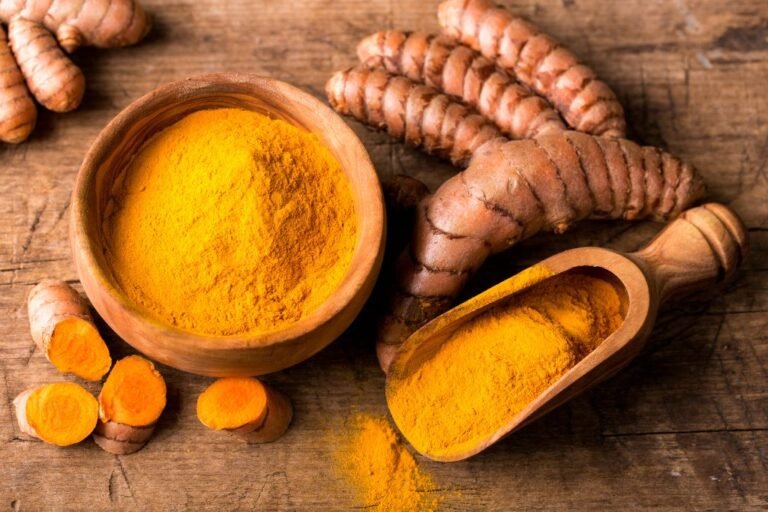
Turmeric for Inflammation and Joint Pain: A Complete Science-Backed Guide

Turmeric for inflammation and joint pain is one of the most researched natural remedies in modern science. For centuries, cooks across South Asia have coloured their rice golden and soothed their ailments with this single vibrant root — and today, over 12,000 peer-reviewed studies back what traditional healers always knew.

Western medicine was slower to pay attention. That changed dramatically over the past three decades. Today, curcumin — the primary active compound in turmeric — is one of the most intensely studied natural substances on Earth, with over 12,000 peer-reviewed research papers published.

This guide covers the science behind turmeric and curcumin, their proven benefits for inflammation and joint pain, how to use them effectively, and why bioavailability is the key challenge most people miss.

What Is Curcumin and Why Does It Matter?

Turmeric (Curcuma longa) is a bright yellow root belonging to the ginger family, native to South and Southeast Asia. Curcumin constitutes approximately 2–8% of turmeric by weight and is responsible for most of its documented medicinal effects.

It is a polyphenol with the following core properties:

  • Potent anti-inflammatory — inhibits multiple inflammatory pathways simultaneously
  • Powerful antioxidant — neutralizes free radicals and boosts the body’s own antioxidant enzymes
  • Immune modulator — supports balanced immune function without overstimulation
  • Neuroprotective — crosses the blood-brain barrier to protect neural tissue

Curcumin does not target one pathway the way most pharmaceutical drugs do. It works across multiple systems simultaneously — which is why researchers find it effective across such a wide range of conditions.

The Science of Chronic Inflammation

Acute inflammation is healthy and necessary. When you cut your finger or catch a cold, your immune system triggers inflammation to isolate the threat and begin repair. This resolves once the danger passes.

Chronic inflammation is different. It occurs when the inflammatory response stays activated for weeks, months, or years — often without an obvious external cause. It is now recognized as a central driver of many serious diseases, including:

  • Rheumatoid arthritis and osteoarthritis
  • Heart disease and atherosclerosis
  • Type 2 diabetes
  • Alzheimer’s disease and cognitive decline
  • Depression and anxiety disorders

Curcumin addresses chronic inflammation at the molecular level. Its most important mechanism is the inhibition of NF-kB — a protein complex that activates genes responsible for producing inflammatory cytokines. By blocking NF-kB, curcumin shuts down the inflammatory signal at its source, rather than simply masking symptoms the way aspirin or ibuprofen does.

Turmeric for Joint Pain — What the Research Shows

Osteoarthritis (Joint Wear and Tear)

Osteoarthritis is the most common joint condition worldwide, affecting hundreds of millions of people. Multiple rigorous clinical trials have evaluated curcumin for osteoarthritis:

  • A randomized controlled trial in Phytotherapy Research found curcumin equally effective as ibuprofen for knee osteoarthritis pain — with significantly fewer gastrointestinal side effects.
  • A 2014 study found that 1,500 mg of curcumin daily reduced joint pain scores by 58% over four months.
  • A systematic review of 8 randomized trials concluded that curcumin significantly reduces pain and disability in knee osteoarthritis, with effects comparable to NSAIDs.

Rheumatoid Arthritis (Autoimmune Joint Disease)

Rheumatoid arthritis (RA) is an autoimmune condition in which the immune system attacks the synovial lining of joints. In a landmark pilot trial, patients with active RA were randomized to receive curcumin alone, diclofenac alone, or a combination. The curcumin-only group showed the highest improvement in disease activity scores — and no adverse effects were recorded.

Curcumin appears to reduce RA disease activity by suppressing the pro-inflammatory cytokines TNF-alpha and IL-6 — the same targets of expensive biologic medications, though curcumin’s effect is naturally milder.

Important: Turmeric is supportive — not a replacement for medical treatment. Always consult your doctor for diagnosed arthritis.

The Bioavailability Problem — And How to Fix It

Here is the most important thing most people don’t know: raw curcumin is very poorly absorbed by the body. When you eat turmeric in food or take a basic supplement, most of it passes through your digestive system without being absorbed into your bloodstream — where it needs to be to work.

This is why many people try turmeric for weeks and feel nothing. The problem is not the curcumin — it’s the delivery.

Strategy 1 — Always Use Black Pepper (Piperine)

Turmeric for Inflammation and Joint Pain

Black pepper contains piperine, which slows curcumin’s metabolic breakdown and increases its bioavailability by approximately 2,000%. This is the most affordable and accessible fix. Never prepare turmeric without a pinch of black pepper.

Strategy 2 — Combine with Healthy Fats

Curcumin is fat-soluble. It dissolves in and is absorbed alongside dietary fats. Cook turmeric in oil, add it to coconut milk, or take supplements with a fat-containing meal. Good options: coconut milk, olive oil, and natural ghee.

Strategy 3 — Choose Enhanced Supplement Formulations

Turmeric for Inflammation and Joint Pain

  • Meriva (Phytosome) — curcumin bound to phospholipids; up to 29x greater absorption
  • BCM-95 (Biocurcumax) — combines curcumin with turmeric essential oils; ~6x greater absorption
  • Theracurmin — nanoparticle curcumin; consistently highest blood level increases in trials
  • Longvida — lipid-based formulation with proven brain penetration

Other Scientifically Supported Benefits of Turmeric

Heart Health

Curcumin improves endothelial function — the health of blood vessel linings — which is fundamental to blood pressure regulation and atherosclerosis prevention. A study found curcumin equally effective as aerobic exercise at improving endothelial function in post-menopausal women over 8 weeks. It also reduces LDL oxidation and lowers triglycerides.

Brain Health and Alzheimer’s Prevention

Curcumin crosses the blood-brain barrier, where it can help clear amyloid plaques, reduce tau tangles, boost BDNF (brain-derived neurotrophic factor), and reduce neuroinflammation. Notably, India — where turmeric consumption is among the world’s highest — has among the lowest rates of Alzheimer’s disease globally.

Mood and Depression

A meta-analysis in the Journal of Affective Disorders found that curcumin supplementation significantly reduced symptoms of depression and anxiety compared to placebo. It works by reducing inflammatory cytokines and boosting serotonin and dopamine.

Digestive Health

Turmeric stimulates bile production, reduces intestinal permeability, helps with bloating, and shows promise in managing inflammatory bowel conditions including Crohn’s disease and ulcerative colitis.

How to Use Turmeric Effectively

Golden Milk (Highly Recommended)

Turmeric for Inflammation and Joint Pain

The traditional Ayurvedic formula combines turmeric with black pepper, ginger, cinnamon, and coconut milk — warm, at night for recovery. This hits all three absorption strategies simultaneously.

  • Turmeric: 1 teaspoon
  • Black pepper: 1/4 teaspoon
  • Ginger: 1/2 teaspoon
  • Coconut milk: 1 cup
  • Optional: cinnamon, honey

In Cooking

Add 1/2 to 1 teaspoon of turmeric daily to curries, dal, eggs, soups, or smoothies. Always pair with black pepper and a fat source. Consistency matters more than quantity.

As a Supplement

For therapeutic purposes — joint pain, chronic inflammation — dietary turmeric alone is unlikely to deliver enough curcumin. A supplement with enhanced bioavailability is recommended. Always take with meals containing fat.

Recommended Dosage Guide

  • For general health and prevention: 500–1,000 mg curcumin daily
  • For joint pain and arthritis: 1,000–1,500 mg daily in divided doses
  • Enhanced formulas (Meriva, BCM-95): Lower doses required — follow product labeling

Always take with food and fat. Results typically appear after 4–8 weeks of consistent use.

Safety and Precautions

Turmeric is extremely safe at culinary doses. At supplemental doses, side effects are rare but include digestive upset at very high doses.

  • Blood thinners (warfarin): Curcumin has mild antiplatelet effects — consult your doctor before supplementing.
  • Before surgery: Avoid high doses at least 2 weeks before any procedure.
  • Pregnancy: Culinary use is safe; high-dose supplements are not recommended.
  • Iron deficiency: May slightly reduce iron absorption — separate from iron supplements.
  • Diabetes medications: Curcumin may lower blood sugar — monitor levels if diabetic.

Turmeric vs NSAIDs — An Honest Comparison

Factor Turmeric / Curcumin NSAIDs (Ibuprofen, etc.)
Speed of action Slow (weeks) Fast (hours)
Side effects Minimal at correct dose GI bleeding, kidney, cardiovascular risk
Long-term safety Generally safe Significant risks with chronic use
Acute pain relief Moderate Strong
Mechanism Targets root inflammation (NF-kB) Masks symptoms (COX inhibition)
Best for Daily prevention, chronic management Acute flares, short-term relief

Frequently Asked Questions

Does turmeric really help with joint pain?

Yes. Multiple clinical trials show that curcumin reduces joint pain and improves mobility in osteoarthritis patients, with effects comparable to NSAIDs and fewer side effects. Results typically appear after 4–8 weeks of consistent use with proper absorption strategies.

How much turmeric should I take for inflammation?

For general health: 500–1,000 mg curcumin daily. For joint pain: 1,000–1,500 mg daily in divided doses, always taken with food and fat.

Why does turmeric not work for most people?

Raw curcumin has very poor bioavailability — most passes through the digestive system unabsorbed. The fix: always combine turmeric with black pepper (piperine), which increases absorption by up to 2,000%, and take it with a fat-containing meal.

Can I take turmeric every day?

Yes. Turmeric is safe for daily use at culinary and moderate supplemental doses. Those on blood thinners, pregnant women, or anyone scheduled for surgery should consult a doctor before using high-dose supplements.

Is golden milk actually good for you?

Yes — golden milk (turmeric + black pepper + fat like coconut milk) is one of the most effective ways to consume turmeric. It combines all three absorption-enhancing strategies in one drink and has a strong traditional basis backed by modern research.

Conclusion

Turmeric and curcumin represent one of the most compelling convergences of traditional wisdom and modern science in natural health. The evidence for their effectiveness in managing inflammation and joint pain is robust, backed by multiple rigorous clinical trials.

The key is solving the bioavailability challenge: always pair turmeric with black pepper and fat, or choose a clinically validated enhanced supplement. Used consistently and intelligently, turmeric can be a cornerstone of a natural approach to reducing chronic inflammation and protecting your joints long-term.

.


Why Protein Diet Not Working (9 Hidden Mistakes to Fix Fast)

Quick Answer

Why  protein diet not working despite your best efforts? The answer is rarely about eating more protein. Poor digestion, weak gut health, wrong food combinations, skipping strength training, or eating too few total calories — any one of these can silently block your results. When your body cannot properly absorb and use protein, no amount of chicken or lentils will move the needle.

Introduction: You Are Eating Protein — So Why Is Nothing Changing?

Many people wonder why protein diet not working even after weeks of effort. You increased your intake. Eggs at breakfast, chicken at lunch, maybe a protein shake in the evening. You followed the advice — and yet the results are simply not showing up.

No visible muscle growth. Energy that crashes by afternoon. A stomach that feels heavy after meals. Fat that refuses to budge.

This is far more common than most people realize, and the cause is almost never what you expect.

The real problem is not the quantity of protein you eat. It is whether your body can actually absorb and use what you are giving it.

This guide walks through nine specific mistakes that quietly destroy protein diet results — and exactly what to do about each one.

1. Your Body Is Not Digesting the Protein You Eat

Eating protein and absorbing protein are two completely different things.

Before your body can use protein for muscle repair, energy, or hormone production, it must first break it down into individual amino acids. This happens through a digestion process that starts in the stomach. If that process is sluggish or incomplete, you could be eating generous amounts of protein and still running on empty.

Signs that protein digestion is struggling: bloating or a heavy feeling after protein-rich meals, frequent gas after eating eggs, meat, or lentils, a sensation of uncomfortable fullness that lasts too long, and irregular bowel movements.

Low stomach acid is one of the most overlooked causes. Your stomach needs sufficient acid to activate the enzymes that break protein apart. Eating too fast, rushing through meals, or eating under stress all reduce digestive efficiency significantly.

Start each meal with a small glass of warm water with lemon juice or a thin slice of fresh ginger. Chew food thoroughly — digestion begins in the mouth, not the stomach. Avoid eating when anxious or distracted, and never overload your plate in a single sitting.

Better digestion leads directly to better amino acid absorption, stronger muscle recovery, and more consistent energy throughout your day.

2. You Are Eating Too Much Protein at One Time

More protein per meal does not always mean more benefit. Your body can only process a certain amount of protein at once. Research from the Journal of the International Society of Sports Nutrition suggests that roughly 20 to 40 grams per meal is the effective range for muscle protein synthesis, depending on body size and training status.

Protein beyond that limit increases the digestive load, puts extra pressure on the kidneys and liver, and in some cases gets stored differently than you intend.

Spread protein across three to four meals rather than concentrating it in one or two heavy sittings. A lighter protein serving at breakfast, a moderate amount at lunch, and a balanced portion at dinner keeps your metabolism running steadily and gives your body a consistent supply to work with.

3. You Are Ignoring What You Eat With Your Protein

Protein does not work in isolation. What you combine it with changes how efficiently your body digests and absorbs it.

Pairing high-protein foods with sugary drinks or refined carbohydrates disrupts the digestive environment. Simple sugars ferment quickly in the gut and interfere with protein digestion happening alongside them.

Good combinations that support protein absorption: lentils with cooked vegetables and ghee or olive oil, eggs with whole grain bread and leafy greens, grilled chicken with a salad dressed in olive oil and lemon, plain yogurt with fiber-rich fruits like berries.

Dietary fiber slows digestion slightly, which actually helps protein absorption by giving digestive enzymes more time to work. Healthy fats reduce gut inflammation and support the overall process.

4. Your Gut Health Is Working Against You

The gut microbiome plays a direct role in how well your body absorbs nutrients, including protein. When this balance is disrupted, even the most carefully planned diet delivers poor results.

Signs that your gut may need attention include persistent low energy despite eating well, frequent bloating unrelated to specific meals, skin breakouts, and difficulty concentrating.

Add fermented foods to your daily routine — plain yogurt, homemade lassi, or kefir. Pair these with fiber from vegetables, whole grains, and legumes. At the same time, reduce ultra-processed foods and artificial sweeteners where possible. A well-functioning gut improves protein absorption, energy, immunity, and mood together.

5. You Are Not Eating Enough Total Calories

When total calorie intake is too low, your body shifts into conservation mode. In this state, it begins using dietary protein as fuel rather than as building material for muscle. The protein you consume never gets the chance to do its actual job.

The result is persistent fatigue, muscle that refuses to develop, and a metabolism running at half speed.

Your daily nutrition should include adequate protein spread across meals, natural complex carbohydrates like rice, oats, whole wheat roti, and sweet potato, and healthy fats like ghee, olive oil, nuts, and seeds. Protein alone cannot carry the entire load — your body needs all three macronutrients working together.

6. You Expect Protein to Do the Work That Exercise Should Do

Protein supports muscle but cannot build it without a physical reason to do so. Without resistance or strength-based movement, muscles have no signal to grow regardless of how much protein you eat.

When you exercise with resistance, you create microscopic tears in muscle fibers. Protein repairs and rebuilds those fibers stronger than before. Without exercise, the repair process has no trigger.

You do not need a gym. Bodyweight squats, lunges, push-ups, resistance bands, and brisk walks all count. Even three sessions per week of consistent movement significantly improves how your body uses protein. Movement and protein work as a team — neither is fully effective without the other.

7. You Are Choosing Protein Sources That Are Hard to Digest

Not every protein source suits every person equally. Heavily processed protein powders with artificial additives, fried meats, and large amounts of red meat without fiber alongside can all cause inflammation or digestive discomfort.

Easier options include soft-boiled or poached eggs, plain yogurt or lassi, moong dal which is one of the most digestible plant proteins available, lightly cooked chicken or fish, and tofu or paneer in moderate amounts.

Choosing proteins that agree with your digestive system means more of what you eat actually reaches your muscles and cells.

8. You Are Not Drinking Enough Water

Protein metabolism depends on water at every step. When your body processes protein, the kidneys filter the byproducts including urea and nitrogen compounds. Without adequate hydration, this filtration slows down and so does your overall metabolism.

Drink a glass of water 20 to 30 minutes before each meal. Sip consistently throughout the day rather than drinking large amounts at once. Include coconut water, herbal teas, or diluted lemon water. Reduce caffeine and sugary drinks which dehydrate rather than replenish.

A well-hydrated body processes protein more efficiently and maintains the steady energy that makes any diet sustainable long term.

9. You Are Following a Trend Instead of Listening to Your Body

High-protein diets are marketed as a universal fix but bodies are not identical. Genetics, activity levels, digestive capacity, stress, and even the climate you live in all influence how much protein your body actually needs.

Some people feel overheated or bloated when protein intake goes too high. Others do well with moderate protein and a stronger base of complex carbohydrates and healthy fats. Forcing a popular trend onto a body giving you clear signals of discomfort is one of the fastest ways to stall progress.

Start with a moderate, balanced intake and observe your body’s response over two to three weeks. Pay attention to energy, digestion, sleep quality, and workout recovery. Adjust based on what you actually observe — not what a trending diet tells you is optimal. Including a variety of plant-based proteins alongside animal proteins gives your gut more diversity and reduces digestive load.

Final Thoughts: Why Protein Diet Not Working — And How to Fix It

If you are still wondering why protein diet not working for you, the solution is almost never to eat more protein. Your body has a limit to how much it can absorb and use — beyond that point, more protein simply means more burden on your digestive system.

What genuinely moves the needle is improving digestion, restoring gut health, balancing overall meals, staying physically active, staying hydrated, and paying attention to how your individual body responds.

When these elements come together, results follow naturally — more energy, steady muscle development, sustainable fat loss, and overall health that does not depend on extreme measures.

Start with one fix from this list. Build from there. Small, consistent improvements always lead to results that last.

Frequently Asked Questions

Q: Why am I not gaining muscle even though I eat protein every day?

Muscle growth requires two things working together: enough protein to repair tissue, and a physical stimulus — exercise — that tells the body to rebuild stronger. If either is missing, or if digestion is poor, muscle growth stalls regardless of how much protein you consume.

Q: Can eating too much protein actually slow down fat loss?

Yes. When protein intake exceeds what your body can process and use, the digestive system becomes overloaded. Amino acids that cannot be stored as protein may be converted and stored differently. Very high protein intake without adequate fiber and hydration can also slow digestion and affect metabolic efficiency.

Q: What are the most effective ways to improve protein absorption?

Four factors make the biggest difference: supporting digestive enzyme activity through habits like lemon water before meals, choosing easy-to-digest protein sources, pairing protein with fiber and healthy fats, and maintaining gut health through fermented foods and a varied diet. Consistent hydration ties all of these together.

NaturalHub Insight: Lasting results do not come from extreme diets or chasing maximum protein numbers. They come from understanding how your body works and supporting it with food, movement, and daily habits that fit your life — naturally and sustainably.

10 Signs Your Body Needs a Detox | Natural Remedies to Reset Gently

In today’s world full of processed foods, pollution, stress, and chemical-laden products, our bodies face a constant barrage of toxins. Your liver, kidneys, gut, skin, and lymphatic system work nonstop to filter and eliminate waste. But when the toxic load gets too heavy, these systems get overwhelmed. That’s when your body starts sending subtle — and sometimes not-so-subtle — signals.

These signals are the signs your body needs a detox. Ignoring them can lead to ongoing fatigue, stubborn weight, skin issues, digestive discomfort, and even weaker immunity. The good news? You don’t need expensive programs or extreme fasting. Supporting your body’s natural detoxification processes with simple, everyday plant-based habits can make a big difference.

At Natural Hubz, we focus on gentle, sustainable ways to help your body reset using whole foods, herbs, hydration, movement, and mindful living. In this guide, we’ll explore the 10 most common signs your body needs a detox, explain why they happen, and share practical natural remedies you can start today.

Modern life exposes us to heavy metals, pesticides, plastics (BPA), air pollution, and added sugars that burden our detox organs. When these organs fall behind, toxins recirculate and cause inflammation, oxidative stress, and disrupted energy production. The result? Those nagging symptoms that no amount of coffee seems to fix.

Many people notice improvements in energy, skin clarity, digestion, and mental sharpness within 7 to 14 days of consistent habits. Let’s dive in.

1. Persistent Fatigue That Rest Doesn’t Fix

One of the earliest and most common body detox signs is feeling constantly tired, even after a full night’s sleep. You wake up exhausted, rely on caffeine to get through the day, and still crash in the afternoon.

This happens because toxin buildup interferes with mitochondrial function — the tiny powerhouses in your cells that produce energy. When the liver is overloaded processing toxins, it diverts resources away from efficient energy production. Inflammation from circulating toxins also contributes to this deep fatigue.

Natural Remedies: Start your morning with warm water, fresh lemon juice, and a pinch of Himalayan pink salt. Lemon provides vitamin C and supports bile production for better toxin elimination. Incorporate dandelion root tea or nettle leaf tea daily — both are traditional liver and kidney supporters. Add chlorophyll-rich foods like spirulina, wheatgrass, or fresh parsley to your green smoothie. Aim for 7–9 servings of colorful vegetables and fruits every day, especially leafy greens, beets, and berries. Gentle movement like a 20–30 minute walk or yoga also stimulates lymph flow.

2. Ongoing Digestive Issues Like Bloating, Constipation, or Gas

Signs Your Body Needs a Detox

Sluggish digestion is another classic sign your body needs a detox. Bloating after meals, infrequent bowel movements, excessive gas, or alternating constipation and loose stools often point to an overwhelmed gut-liver axis.

When the liver can’t produce enough bile or process toxins efficiently, undigested particles and recirculating toxins irritate the intestinal lining, leading to inflammation and poor motility. A compromised gut barrier can also allow toxins to leak back into the bloodstream.

Natural Remedies: Include ground flaxseeds, chia seeds, and psyllium in your routine with plenty of water. Add fermented foods like homemade sauerkraut, kimchi, or coconut yogurt for probiotics. Drink ginger-turmeric golden tea daily — ginger stimulates digestion while turmeric offers anti-inflammatory benefits. Drink at least 3 litres of filtered water daily. Try herbal infusions with fennel, peppermint, or licorice root. Reduce alcohol, fried foods, and artificial additives.

3. Skin Problems — Acne, Rashes, Dullness, or Eczema Flare-ups


Your skin is the body’s largest organ and a major elimination pathway. When internal detox organs are overburdened, toxins often exit through the skin, resulting in breakouts, rashes, itchy patches, or a lackluster complexion.

This is especially common with hormonal imbalances or liver stress. Acne along the jawline or forehead can signal sluggish detoxification.

Natural Remedies: Eat antioxidant-packed berries, citrus, and dark leafy greens. Add cruciferous vegetables like broccoli, cauliflower, and kale to support estrogen metabolism and toxin clearance. Dry brush before showers to stimulate lymph and exfoliate dead skin. Use a weekly clay mask with bentonite or green clay. Stay well hydrated — aim for clear or light yellow urine. Many people see clearer, glowing skin after 10–14 days of plant-rich eating and reduced sugar.

4. Brain Fog, Poor Concentration, or Mood Swings

Feeling mentally cloudy, forgetful, irritable, or unable to focus is a strong body detox sign. Toxins can cross the blood-brain barrier or cause systemic inflammation that affects neurotransmitter balance and cognitive function.

Heavy metals, mold exposure, or everyday pesticide residues all contribute. Blood sugar instability from toxin-affected metabolism worsens this cloudiness further.

Natural Remedies: Eat omega-3 rich walnuts, flaxseeds, and fatty fish. Drink turmeric golden milk with black pepper and ginger before bed. Spend 10–15 minutes in morning sunlight to regulate circadian rhythm and vitamin D. Practice 5 minutes of box breathing daily to clear mental fog. Cut refined sugars and excess caffeine gradually. Add blueberries, avocados, and dark chocolate (70%+) to your diet.

5. Frequent or Unexplained Headaches

Recurring tension headaches or migraines without obvious triggers can signal toxin overload or dehydration linked to poor detox function. Toxins cause blood vessel constriction or inflammation, and liver stress also plays a role.

Natural Remedies: Stay well hydrated with cucumber, lemon, or mint-infused water. Drink peppermint or feverfew tea for natural relief. Eat magnesium-rich foods like pumpkin seeds, spinach, and almonds to relax muscles and blood vessels. Take short fresh air walks and do gentle neck stretches. If headaches persist, track food triggers and consider temporarily eliminating common culprits like gluten or dairy.

6. Unexplained Weight Gain or Difficulty Losing Fat

Toxins are often stored in fat tissue as a protective mechanism. This makes weight loss resistant even with diet and exercise. Hormone disruption from xenoestrogens found in plastics further complicates metabolism.

Natural Remedies: Focus on liver-supportive cruciferous vegetables and green tea rich in catechins. Try a 12–14 hour overnight fasting window — for example, finish dinner by 7 pm. Incorporate strength training and rebounding (mini-trampoline) to mobilize fat and stimulate lymph flow. Avoid extreme calorie restriction — nourish your body, don’t starve it.

7. Poor Sleep Quality or Waking Up Exhausted

Toxins disrupt hormone balance, including melatonin and cortisol. You may fall asleep but wake feeling unrefreshed, or experience frequent night sweats.

Natural Remedies: Create a wind-down routine with magnesium Epsom salt baths, chamomile or valerian tea, and a cool, dark bedroom. Avoid blue light after 8 pm. Take evening walks and maintain a consistent bedtime every night to reset your internal clock.

8. Intense Cravings for Sugar, Caffeine, or Processed Foods

These cravings often arise when blood sugar and nutrient levels become unstable due to toxin interference with metabolism. The body seeks quick energy, driving you toward refined foods that further burden your detox systems.

Natural Remedies: Replace processed snacks with whole fruits, herbal infusions, and balanced meals with protein, healthy fat, and fiber. A daily green smoothie with spinach, banana, ginger, and lemon curbs cravings effectively over time.

9. Persistent Bad Breath or Strong Body Odor

When the liver and colon can’t filter properly, toxins exit via breath and sweat — causing odor that doesn’t respond to normal hygiene. This is a clear external sign of internal overload.

Natural Remedies: Chew fresh parsley, cilantro, or mint regularly. Take probiotics and add chlorophyll-rich greens to your meals. Practice tongue scraping and increase daily water intake. These simple steps make a noticeable difference within days.

10. Frequent Illnesses, Allergies, or Weak Immunity

Overloaded detox systems divert energy away from immune function, leading to more colds, sinus issues, or food sensitivities. The immune system and detox pathways are deeply connected — support one and you support both.

Natural Remedies: Load up on vitamin C sources like amla, guava, and kiwi. Add elderberry syrup and medicinal mushrooms like reishi or turkey tail. Eat zinc-rich pumpkin seeds and get regular sunlight exposure to strengthen your immune defenses.

How to Support Your Body’s Natural Detox Daily

Your body detoxes best with consistent support rather than short-term extremes. Here are the core daily habits to build:

  • Drink 3–4 litres of filtered water every day
  • Eat a rainbow of plants — prioritize bitter greens, garlic, onions, and fiber-rich foods
  • Move daily to stimulate circulation and lymph flow
  • Sweat through exercise or infrared sauna when possible
  • Prioritize 7–9 hours of quality sleep every night
  • Reduce plastic use, choose natural cleaning products, and manage stress with breathing or journaling

A Simple 7-Day Gentle Reset Plan

Days 1–3: Focus on hydration, green smoothies, and light meals. Remove alcohol, refined sugar, and processed foods. Begin a symptom journal to track changes.

Days 4–7: Add fermented foods, herbal teas, and daily 20–30 minute walks. Incorporate dandelion root tea and bitter greens. Notice shifts in your energy and digestion.

What Benefits Can You Expect?

With consistent effort over 2–4 weeks, most people notice:

  • Increased, steady energy throughout the day
  • Clearer, glowing skin
  • Smoother digestion and reduced bloating
  • Sharper mental clarity and better focus
  • Easier weight management
  • Fewer sugar and caffeine cravings
  • Better, deeper sleep
  • Stronger immune resilience

Results build gradually. Stay consistent rather than looking for overnight changes.

Common Detox Mistakes to Avoid

  • Don’t jump into long juice fasts without preparation — they can stress the body
  • Always hydrate well — insufficient water worsens detox symptoms, not improve them
  • Listen to your body; if symptoms worsen significantly, consult a healthcare professional
  • Avoid extreme calorie restriction — nourish your body, don’t starve it
  • Remember that detox support is not a quick fix for underlying medical conditions

The Science Behind Natural Detox Support

The liver has two main phases of detoxification. Phase 1 uses enzymes to break down toxins. Phase 2 conjugates them for safe elimination from the body. Nutrients like B vitamins, glutathione precursors found in broccoli sprouts, and antioxidants fuel these pathways. Dietary fiber binds toxins in the gut for excretion. Hydration and movement enhance kidney and lymphatic function. Research supports that diets rich in cruciferous vegetables and polyphenols improve detox biomarkers measurably.

Important Disclaimer

This article is for educational purposes only and does not replace professional medical advice. If you have chronic symptoms, ongoing health conditions, or take medications, please consult your doctor before making significant dietary changes.

Frequently Asked Questions

How do I know if I really need detox support? If you experience four or more of the signs mentioned above consistently, try these supportive habits for 2–4 weeks and notice the difference.

Are juice cleanses effective? Short gentle juice days can give the digestive system a break, but whole-food approaches with fiber usually work better and more sustainably long-term.

How long until I see improvements? Many notice better energy and digestion in 7–14 days. Skin clarity and mood changes often take 3–4 weeks of consistent habits.

Can I do this while working or exercising? Yes — these gentle habits fit easily into normal life. Moderate exercise actually supports detox. Avoid extreme protocols during high-stress periods.

Is coffee okay during a reset? Limit to one cup of organic coffee per day, or switch to green tea or herbal alternatives for better liver support.

Final Thoughts

Your body is wise and constantly communicating. Those persistent signs your body needs a detox are invitations to care for it more intentionally. By adopting the natural, plant-powered habits shared here at Natural Hubz, you can help your liver, gut, and entire system function optimally again.

Start small — pick one or two changes this week, like adding lemon water and more greens. Over time, these simple steps compound into feeling lighter, clearer, and more vibrant.

Share this guide with anyone who feels constantly tired or off-balance. Drop a comment below — what sign are you experiencing most right now? Our Natural Hubz community loves supporting each other on this wellness journey.

Stay tuned for more holistic recipes, herbal guides, and natural living tips every week at Natural Hubz. Your health is in your hands — let’s nurture it naturally.

Natural Superfoods for Immunity: 12 Powerful Pakistani & Indian Kitchen Ingredients That Boost Natural Defense in 2026 (With Easy Recipes & Daily Routine)

Introduction: Your Kitchen Is Your First Pharmacy

In 2026, as seasonal illnesses, pollution, and daily stress continue to challenge our health, many people are turning back to their kitchens for natural solutions. While Western superfoods like kale and quinoa have their place, South Asians have a treasure trove of powerful ingredients right at home. These Natural Superfoods for Immunity— rooted in traditional Pakistani and Indian kitchens — offer affordable, accessible, and science-supported ways to strengthen natural defence system.

At Natural Hubz, we focus on real, sustainable approaches that blend time-tested remedies with modern research. Unlike generic lists on big health sites that often stop at basic advice, this guide dives deep into 12 potent natural ingredients. You will find why they work, how to use them in everyday cooking, simple recipes you can prepare in minutes, and a practical 7-day routine tailored for busy families in Pakistan, India, or abroad.

Why Natural Superfoods Are Effective for Immunity in Our Context

Our immune system faces unique pressures from humid monsoons, extreme heat in Punjab summers, winter fog, and urban pollution. Natural ingredients like turmeric, ginger, and amla are rich in antioxidants, anti-inflammatory compounds, and antimicrobial properties that support white blood cells, reduce oxidative stress, and balance the gut microbiome — where nearly 70% of immunity resides.

Scientific studies continue to validate these traditional foods. For instance, curcumin in turmeric modulates immune cell activity, while vitamin C in amla helps ramp up antibody production. Best of all, these whole foods provide synergistic benefits that isolated supplements often lack, and they are budget-friendly and locally available in markets across Pakistan and India. Unlike expensive imported health products, these ingredients are already in your kitchen or just a short trip to the local sabzi mandi away.

12 Powerful Natural Superfoods for Natural Immunity Boost

Here is a detailed look at 12 standout ingredients, backed by both tradition and modern research.

1. Amla (Indian Gooseberry)

Often called the king of vitamin C, one fresh amla contains up to 20 times more vitamin C than an orange. It supports white blood cell production and fights free radicals that damage healthy cells. Regular consumption helps the body respond faster to infections and recover more quickly from illness. In Pakistan and India, fresh amla is widely available in winter, while dried powder works year-round and is easy to add to smoothies or warm water.

How to Use: Start your morning with fresh amla juice mixed with a splash of lemon. Even a small amount daily makes a meaningful difference over time.

2. Haldi (Turmeric) Paired with Black Pepper

Curcumin, the active compound in turmeric, is a potent anti-inflammatory and immune modulator. It helps the body control excessive inflammation, which is one of the key factors behind weakened immunity. Pairing turmeric with black pepper increases curcumin absorption by up to 2000 percent, which is why this combination has been used in traditional cooking for centuries. This is also why golden milk, known as haldi doodh, remains a household staple for colds, sore throats, and recovery after illness.

Simple Recipe: Boil one glass of milk (or a plant-based alternative) with half a teaspoon of turmeric, a pinch of black pepper, and a touch of honey. Drink warm before bed for best results.

3. Adrak (Ginger)

Gingerol, the main bioactive compound in ginger, gives it powerful antimicrobial and anti-inflammatory properties. Ginger aids digestion, clears respiratory passages, reduces nausea, and may significantly reduce the severity and duration of colds and flu. Fresh ginger crushed into Pakistani chai or added to sabzi tadka delivers maximum benefits because heat-sensitive compounds remain more intact with minimal cooking.

Quick Remedy: Ginger-lemon-honey tea is one of the most effective and simple remedies available. Steep crushed fresh ginger in hot water for five minutes, then add freshly squeezed lemon juice and a teaspoon of raw honey for soothing, immediate relief from sore throat and congestion.

4. Tulsi (Holy Basil)

Known as the queen of herbs in Ayurveda, tulsi has been used for thousands of years to fight infections, reduce fever, and strengthen the body’s natural defenses. It helps lower stress hormones like cortisol, which directly suppress immune function when elevated for long periods. Its key compounds, including eugenol and rosmarinic acid, offer antiviral, antibacterial, and adaptogenic effects. Grow a small tulsi plant at home — it requires minimal care and gives you a constant fresh supply.

Recipe: Boil five to six fresh tulsi leaves with a small piece of ginger in two cups of water for ten minutes. Strain and drink as an evening immunity tea. You can add a drop of honey if needed.

5. Kalonji (Nigella Seeds / Black Seeds)

These tiny black seeds have been described in traditional medicine as a cure for everything except death, and modern science is beginning to agree. Kalonji has strong antimicrobial, anti-allergic, and anti-inflammatory properties. It contains thymoquinone, a compound that has shown powerful immune-modulating effects in research studies. Traditional use in Pakistan includes adding kalonji to naan breads, parathas, and pickles, or taking a teaspoon mixed with honey every morning to support respiratory health during cold and allergy seasons.

Tip: Sprinkle lightly roasted kalonji on salads, yogurt, or avocado daily for an easy immunity boost without changing your regular meals.

6. Moringa (Sohanjna / Drumstick Leaves)

Moringa is one of the most nutrient-dense plants available in South Asia, yet it remains underused in urban kitchens. It is packed with vitamins A, C, and E, along with iron, zinc, calcium, and complete protein. These nutrients work together to support antibody production, protect cells from oxidative damage, and maintain the health of mucous membranes that act as the body’s first line of defense. Moringa is easily grown in home gardens or available fresh and dried in Pakistani markets and villages.

How to Use: Add fresh moringa leaves to dal, soup, or stir-fries in the last two to three minutes of cooking to preserve nutrients. Moringa powder can also be stirred into smoothies or warm water.

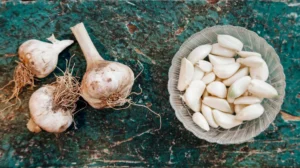
7. Lahsun (Garlic)

When garlic is crushed or chopped, it releases allicin — a powerful natural compound with proven antimicrobial and immune-boosting properties. Allicin helps activate natural killer cells, which are part of the body’s innate immune system and the first responders against viruses and bacteria. Regular use of garlic in natural tadka, chutneys, and marinades provides consistent immune support without any special effort. Raw garlic provides the strongest benefit, but cooked garlic still delivers meaningful results.

Pro Tip: After crushing or chopping garlic, let it rest for ten minutes before cooking. This waiting period allows allicin to fully form before heat breaks it down, giving you significantly stronger immune-boosting effects from the same amount of garlic.

8. Palak and Other Leafy Greens (Spinach, Methi)

Leafy greens like palak (spinach) and methi (fenugreek) are powerhouses of vitamins A, C, and E, as well as folate and iron. These nutrients support the production and function of immune cells, maintain the integrity of mucous membranes that trap pathogens before they enter the body, and reduce inflammation. Seasonal saag cooked with natural ghee or methi sabzi with garlic tadka makes for an excellent immunity meal that is also deeply satisfying and culturally familiar.

Idea: Cook leafy greens lightly rather than overcooking them, and always pair with a little garlic for better nutrient retention and added antimicrobial benefit.

9. Dahi (Plain Yogurt)

The gut is where the majority of the immune system lives, and probiotics in homemade dahi are one of the best and most natural ways to keep it healthy. A balanced gut microbiome directly supports immune function, reduces the risk of allergies, and helps the body respond appropriately to infections. Choose plain unsweetened dahi made at home or from trusted local sources. Pair with seasonal fruits, use as a base for raita, or blend into a refreshing mint lassi.

10. Ghee (Clarified Butter)

Ghee has been part of South Asian cooking for thousands of years, and when used in moderation it serves an important nutritional purpose. It helps the body absorb fat-soluble vitamins like A, D, E, and K, which are all critical for immune health. Ghee also contains butyrate, a short-chain fatty acid that supports gut lining health and reduces inflammation. Use it sparingly as a finishing touch on dal, sabzi, or roti to enhance the absorption of fat-soluble nutrients from other ingredients including turmeric and leafy greens.

11. Jamun and Seasonal Local Fruits

Jamun (black plum) is one of Pakistan and India’s most powerful seasonal superfoods, loaded with antioxidants, vitamin C, and anthocyanins that protect immune cells from damage. Other local seasonal fruits like falsa, ber, and amrood (guava) offer similar benefits. The key is to eat what is local and in season, as these fruits are fresher, more nutrient-dense, and better suited to your body’s seasonal needs. Enjoy fresh jamun during the season or freeze in portions for use in smoothies and chutneys later in the year.

12. Ashwagandha

Chronic stress is one of the biggest silent suppressors of immune function, and ashwagandha is one of the most effective natural remedies for managing it. This adaptogenic root helps regulate cortisol levels, supports adrenal health, and has shown direct immune-modulating effects in research. It works best when taken consistently over several weeks rather than as an occasional remedy. Use ashwagandha powder stirred into warm milk with a pinch of cardamom before bed. However, always consult a doctor before starting if you have existing health conditions, are pregnant, or take medications.

Easy Natural Immunity Recipes Ready in Under 15 Minutes

Immunity Kadha: Boil fresh ginger, tulsi leaves, turmeric, black pepper, and a clove of garlic in two cups of water for ten minutes. Strain and sip hot — ideal for winter mornings across Pakistan and a time-tested remedy for colds and congestion.

Golden Haldi Doodh with Kalonji: Prepare classic turmeric milk and add a pinch of lightly roasted kalonji seeds for extra antimicrobial support. The combination of curcumin and thymoquinone makes this one of the most powerful bedtime drinks you can prepare.

Moringa Dal: Cook your regular yellow dal and stir in a handful of fresh moringa leaves in the last two minutes before serving. This simple addition turns an everyday meal into a nutrient powerhouse without changing the taste significantly.

Amla-Honey Shot: Mix two tablespoons of fresh amla juice with one teaspoon of raw honey and a small pinch of black salt. Take this as a quick morning shot before breakfast for an instant vitamin C and antioxidant boost to start the day.

Tulsi-Ginger Lemonade: For hot summer days in Punjab and Sindh, blend fresh tulsi leaves with ginger juice, lemon juice, a pinch of black salt, and chilled water. Sweeten lightly with honey. This is a refreshing alternative to sugary drinks that also actively supports immunity during the hot season.

Your Practical 7-Day Natural Immunity Routine

Make these habits a consistent part of your daily lifestyle. Most people report better energy levels, improved digestion, and fewer minor illnesses within three to four weeks of following this routine.

Morning: Start with a glass of warm water with fresh lemon juice and grated ginger. Follow this with ten to fifteen minutes of morning sunlight exposure for natural vitamin D production, which is essential for immune regulation.

Breakfast: Plain yogurt with chopped fresh amla or a teaspoon of moringa powder stirred into oats or porridge. This combination delivers probiotics, vitamin C, and essential minerals in one simple meal.

Lunch: A proper natural lunch of spinach or moringa sabzi, garlic tadka dal, and two rotis with a small side of dahi. This covers your leafy greens, probiotics, and immune-supporting spices in a completely normal and culturally familiar meal.

Evening Snack: A cup of tulsi-ginger tea with a small handful of almonds or a pinch of roasted kalonji mixed into yogurt. Avoid heavily processed snacks during this time as they can increase inflammation.

Dinner: Keep dinner light with a bowl of ginger-turmeric soup, vegetable stew finished with a small drizzle of ghee, or a simple dal with roti. Heavy dinners late at night reduce sleep quality, which directly impacts immune health.

Before Bed: A warm glass of golden haldi doodh (turmeric milk with black pepper and honey). This signals the body to rest, reduces inflammation from the day, and supports overnight recovery.

Adjust this routine seasonally — increase hydration and tulsi during the monsoon season, add more ginger, garlic, and kalonji during winter, and focus on fresh seasonal fruits during summer.

Busting Common Myths About Natural Superfoods

Myth: Supplements are always superior to whole foods. Reality: Whole natural foods offer fiber, vitamins, minerals, and natural synergy between compounds that isolated pills and capsules simply cannot replicate. The combination of nutrients in whole foods works together in ways that supplementation cannot match.

Myth: Eating turmeric daily causes side effects. Reality: Moderate culinary amounts of half to one teaspoon per day are safe, well-studied, and beneficial for most people. Concerns apply mainly to extremely high doses of isolated curcumin supplements, not turmeric used normally in cooking.

Myth: These remedies only work for South Asians genetically. Reality: The bioactive compounds in these foods — curcumin, gingerol, allicin, vitamin C — are universally active in the human body regardless of ethnicity. South Asians simply have the practical advantage of easy local access and traditional knowledge of how to use them.

Important Note: Natural Support, Not a Cure

These natural superfoods are excellent tools for daily prevention, immune maintenance, and general health support. They work best as part of a complete healthy lifestyle that includes adequate sleep, regular physical activity, good hygiene, stress management, and professional medical care when needed.

They are not a substitute for medical treatment. If you experience prolonged fever, serious illness, chronic conditions, or severe symptoms, please consult a qualified doctor immediately. This article is for informational purposes only and does not constitute medical advice.

FAQs

Can natural superfoods boost immunity in just one week? You may notice improved digestion, energy levels, and general wellbeing within the first week, but meaningful immune strengthening takes consistent use over three to four weeks. Think of these as long-term investments in your health rather than quick fixes.

Are these ingredients safe for children and elderly family members? Yes, most of these ingredients are safe in appropriate forms and amounts for all ages. For young children, milder preparations like diluted amla juice, plain yogurt, or light ginger tea are suitable. Consult a pediatrician or doctor for specific conditions or before giving ashwagandha to children or elderly individuals with health complications.

Do these superfoods also support weight management? Many of them, including ginger, turmeric, and moringa, have anti-inflammatory effects that can indirectly support healthy metabolism and weight management when combined with a balanced diet and regular activity. They are not weight loss solutions on their own, but they contribute to overall metabolic health.

Why prefer whole natural foods over supplements? Whole foods deliver a complete package of nutrients, fiber, and naturally occurring compounds that interact and enhance each other in ways that isolated supplements cannot replicate. They also carry a much lower risk of overconsumption or toxicity compared to concentrated supplement doses.

Where can I easily find these ingredients in Pakistan? Fresh items like amla, moringa, tulsi, ginger, and garlic are available at local sabzi mandis across Pakistan. Dried powders, kalonji seeds, and ashwagandha powder are stocked at general grocery stores, herbal shops, and online platforms like Daraz with nationwide delivery.

Published by Natural Hubz | Start small today — a cup of haldi doodh or fresh tulsi tea is all it takes to begin. Your body will thank you with more resilience, better energy, and lasting vitality. Explore our complete guide: “How to Boost Immunity Naturally: 15 Proven Ways, Foods, Herbs & Lifestyle Hacks That Actually Work.”

Ashwagandha: Benefits, Uses & Side Effects — Your Complete Guid

What Is Ashwagandha? (Withania Somnifera)

Ashwagandha (Withania somnifera) has been one of the most treasured herbs in Ayurveda for over 3,000 years. Its name comes from the Sanskrit words “ashwa” (horse) and “gandha” (smell), reflecting both its earthy aroma and the traditional belief that it gives the strength and vitality of a horse.

In the West, it is often called Indian ginseng or winter cherry. What makes it special is that it belongs to a group of herbs known as adaptogens — plants that help your body handle stress, restore balance, and support overall well-being without the jittery highs or crashes you might get from stimulants.

Today, ashwagandha is one of the most researched medicinal plants in the world. Hundreds of clinical studies have explored its effects on stress, energy, hormones, brain health, and physical performance. In this complete guide, we walk through the science-backed benefits, how to use it properly, potential side effects, and who should be cautious.

The Active Compounds in Ashwagandha

The healing power of ashwagandha comes mainly from natural compounds called withanolides — unique steroidal lactones found in the plant. Other helpful components include alkaloids (which support the nervous system), saponins (with immune-modulating effects), and bioavailable iron in the root.

The concentration of withanolides can vary a lot between products. That is why it is smart to choose standardized extracts that guarantee 2.5% to 5% withanolides (or higher in some premium forms). These tend to be more consistent and reliable than plain root powder.

Top 7 Science-Backed Benefits of Ashwagandha

1. Powerful Stress and Anxiety Relief

This is by far the most well-studied benefit of ashwagandha. It works primarily by helping regulate the HPA axis — the communication loop between your brain and adrenal glands that controls your stress response.

Chronic stress keeps cortisol levels high, which can wreck sleep, weaken immunity, promote weight gain, and fog your thinking. Ashwagandha has been shown to lower cortisol naturally.

In a well-known 2012 double-blind, placebo-controlled study published in the Indian Journal of Psychological Medicine, participants taking 300 mg of high-concentration ashwagandha root extract twice daily for 60 days saw a 27.9% reduction in serum cortisol levels and significantly lower stress and anxiety scores compared to the placebo group. Many people notice they feel calmer and sleep better within a few weeks.

2. Boosts Energy, Stamina, and Physical Performance

Unlike caffeine that gives you a quick spike and crash, ashwagandha supports steady, sustainable energy by improving mitochondrial function and reducing oxidative stress.

Clinical trials have shown promising results for athletes and active people:

  • Studies using KSM-66 extract found improvements in VO2 max (how efficiently your body uses oxygen), muscle strength, and faster recovery.
  • One trial reported a notable increase in endurance capacity after consistent use for 8 weeks.
  • Better sleep quality — a hidden bonus — also helps with overall energy and recovery.

3. Balances Hormones — For Both Men and Women

Ashwagandha’s adaptogenic nature makes it especially useful for hormonal health, though effects differ between men and women.

For Men

Multiple studies show it can increase testosterone levels, particularly in men who are stressed or training. Research has reported increases in the range of 10–22% in some groups, along with improvements in sperm quality, count, and motility. By lowering cortisol (which can suppress testosterone), it indirectly supports male vitality and fertility.

For Women

It may ease menopausal symptoms such as hot flashes, mood swings, and sleep issues. Some evidence suggests it supports healthy thyroid function (helpful for subclinical hypothyroidism) and helps regulate menstrual cycles disrupted by stress. Many women also report better mood and libido when stress is under control.

4. Enhances Brain Function and Memory

Ashwagandha shows neuroprotective qualities that may support cognitive health at any age. Its withanolides help protect neurons and promote healthy nerve cell growth.

Human trials have found improvements in memory recall, attention, processing speed, and executive function. Early research also hints at potential benefits for neurodegenerative conditions, though more human studies are needed.

5. Supports Heart Health

By reducing inflammation, lowering oxidative stress, and improving stress levels, ashwagandha may benefit several heart-related markers — including healthier cholesterol profiles, triglycerides, and blood pressure in some people.

6. Anti-Inflammatory and Immune-Modulating Properties

Chronic inflammation underlies many modern health challenges. Ashwagandha helps calm overactive inflammatory pathways (especially NF-kB) while still supporting normal immune function when needed.

7. May Support Blood Sugar Regulation

Smaller studies suggest it can improve insulin sensitivity and help manage fasting blood sugar in people with type 2 diabetes. It should never replace prescribed medication but may serve as a helpful complement under medical guidance.

How to Use Ashwagandha: Dosage and Best Forms

Ashwagandha

Recommended Ashwagandha Dosage

Dosage depends on your goals and the form you choose. General guidelines from clinical research:

  • Stress and anxiety: 300–600 mg of standardized extract (such as KSM-66 or Sensoril) daily, often split into two doses.
  • Athletic performance or hormonal support: 500–600 mg daily, taken consistently for at least 8 weeks.
  • Traditional Ayurvedic use: 3–6 grams of root powder daily, often mixed with warm milk and a touch of honey.

Start with a lower dose to see how your body responds, then adjust as needed.

Best Forms of Ashwagandha

  • KSM-66: Full-spectrum root extract, standardized to 5% withanolides — the most researched form.
  • Sensoril: Uses root and leaf, higher withanolide percentage, so lower doses may work.
  • Root powder: Traditional and gentler, ideal for daily Ayurvedic routines.
  • Capsules/Tablets: Most convenient for modern lifestyles.

Look for third-party tested products from reputable brands to ensure quality and purity.

When to Take It and How Long Until Results?

You can take ashwagandha with or without food. Many people prefer evening doses for its calming effect on sleep, while others take it in the morning for daytime resilience. Consistency is more important than perfect timing.

  • Most users notice better stress levels and sleep within 2–4 weeks.
  • Deeper benefits for energy, hormones, or performance often appear after 6–8 weeks of steady use.

Ashwagandha Side Effects and Safety

Ashwagandha is generally well-tolerated by most healthy adults when used at recommended doses for up to 3 months. Mild side effects can include:

  • Digestive discomfort (nausea, upset stomach, or loose stools) — usually eased by taking with food.
  • Drowsiness — helpful at night but something to watch during the day.
  • Occasional headaches during the first week or two.

Rare reports of liver concerns exist, mainly with very high doses or poor-quality products. Always choose reputable brands.

Who Should Avoid or Be Cautious With Ashwagandha?

  • Pregnant or breastfeeding women (due to potential uterine stimulation and limited safety data).
  • People with autoimmune conditions (e.g., lupus, rheumatoid arthritis, Hashimoto’s).
  • Those on thyroid medication (it can increase thyroid hormone levels).
  • Individuals taking immunosuppressants or preparing for surgery (stop at least 2 weeks before any procedure).

If you have any medical conditions or take medications, consult your doctor before starting.

Ashwagandha in Traditional Ayurvedic Practice

In Ayurveda, ashwagandha is considered a Rasayana — a rejuvenative tonic that supports longevity and vitality. Traditional preparations involve mixing the powder with warm milk, ghee, and honey, especially during colder months or periods of weakness. It was historically used for fatigue, anxiety, insomnia, and reproductive health — uses that modern research continues to validate.

Ashwagandha vs Other Adaptogens

  • Rhodiola: More stimulating and better for acute mental fatigue.
  • Ginseng: Stronger energy boost but can feel overstimulating for some; ashwagandha is gentler for daily, long-term use.
  • Maca: Excellent for hormones and libido, but ashwagandha wins for stress and cortisol control.

Many people combine adaptogens thoughtfully, but starting with one like ashwagandha often gives clearer results.

Frequently Asked Questions About Ashwagandha

What is the best time to take ashwagandha?

Many people take it in the evening because its calming effects can promote better sleep. Others prefer morning doses for all-day stress resilience and energy. There is no perfect time — choose what fits your routine and stick with it consistently. Taking it with food can help reduce any stomach upset.

How long does it take for ashwagandha to work?

Most people notice improvements in stress, anxiety, and sleep quality within 2 to 4 weeks. Benefits for energy, physical performance, hormones, or cognitive function usually become more noticeable after 6 to 8 weeks of daily use. Results vary depending on your dosage, lifestyle, and individual response.

Should I cycle ashwagandha (take breaks)?

Many experts recommend using ashwagandha for 8–12 weeks followed by a 2–4 week break, especially at higher doses. This helps prevent potential tolerance. However, some people use it longer with good results. Listen to your body and consult a healthcare provider for personalized advice.

Can ashwagandha help with weight loss?

Ashwagandha may indirectly support weight management by lowering cortisol (which is linked to stress-related belly fat), improving sleep, and boosting energy for exercise. It is not a magic weight-loss herb, but it can be a helpful part of a balanced diet and active lifestyle.

What is the difference between KSM-66 and Sensoril ashwagandha?

KSM-66 is a full-spectrum root-only extract (standardized to 5% withanolides) and is the most researched form — often preferred for energy, testosterone support, and athletic performance. Sensoril uses both roots and leaves with a higher withanolide concentration (around 10%) and tends to feel more calming and sleep-supportive. Both are high-quality; choose based on your main goal.

Is ashwagandha safe for long-term use?

It appears safe for most healthy adults when used at recommended doses for up to 3 months, and some recent reviews suggest longer use may be fine for many people. Still, it is wise to take periodic breaks and monitor how you feel.

Can women take ashwagandha during menopause or for hormonal issues?

Yes, many women find it helpful for reducing menopausal symptoms like hot flashes, mood changes, and sleep disturbances. It may also support thyroid function and help regulate stress-related menstrual irregularities. Always check with your doctor, especially if you have thyroid conditions or take hormone-related medications.

Does ashwagandha cause any serious side effects?

Most side effects are mild — such as stomach upset, drowsiness, or loose stools — and often improve when taken with food. Rare cases of liver issues have been reported, usually with high doses or low-quality products. It is generally well-tolerated when you choose reputable, third-party tested brands.

Can I take ashwagandha with other supplements or medications?

It can interact with thyroid medications, immunosuppressants, sedatives, and blood pressure drugs. If you take any prescription medications, speak with your healthcare provider first to avoid unwanted interactions.

Is ashwagandha banned or restricted in any countries?

Some European countries like Denmark have restricted or banned its use in supplements due to safety concerns. In most other places, including the US and India, it remains widely available. Always check local regulations.

Conclusion

Ashwagandha is truly one of nature’s most versatile herbs. Its ability to ease stress while supporting energy, hormones, brain health, and physical performance makes it a valuable ally in today’s fast-paced world.

If you are dealing with chronic stress, low energy, or simply want to feel more balanced, a high-quality standardized extract taken consistently for 6–8 weeks can make a meaningful difference for many people. Choose a trusted brand, listen to your body, and pair it with good sleep, nourishing food, and movement for the best results.

Disclaimer: This article is for informational purposes only and is not medical advice. Supplements can interact with medications or affect individual health differently. Always speak with a qualified healthcare provider before adding ashwagandha or any new supplement to your routine.

Last Updated: April 2026 Author: Natural Hubz Wellness Team

Top 10 Herbs for Boosting Immunity Naturally

  Introduction: Why Natural Herbs Are Powerful Immunity Allies

In today’s fast-paced world, maintaining a strong immune system is more important than ever. While no single herb is a magic cure, centuries of traditional medicine — backed by modern science — show that certain plants carry remarkable properties that help the human body resist infections, reduce inflammation, and recover faster from illness.

Whether you are dealing with seasonal colds, chronic fatigue, or simply want to stay healthy year-round, incorporating immunity-boosting herbs into your daily routine can make a meaningful difference. This guide covers the top 10 herbs for boosting immunity naturally, with a special focus on ginger, turmeric, echinacea, and tulsi — four of the most researched and widely used herbs in the world.

Let’s explore what makes these herbs so powerful, how to use them, and what science says about their effectiveness.


1. Ginger — The Warming Immunity Powerhouse


What Makes Ginger So Effective?

Ginger (Zingiber officinale) is one of the most widely consumed spices globally, and for good reason. Its active compound, gingerol, gives ginger its distinctive flavor — and its therapeutic punch. Gingerol has strong anti-inflammatory and antioxidant properties that directly support immune function.

How Ginger Boosts Immunity

  • Inhibits the growth of harmful bacteria and viruses
  • Reduces chronic inflammation, which weakens the immune system over time
  • Soothes sore throats and eases respiratory infections
  • Stimulates digestive enzymes that improve nutrient absorption — key for immune health

How to Use Ginger for Immunity

The most effective and enjoyable way to use ginger is through fresh ginger tea. Slice a thumb-sized piece of fresh ginger, steep it in hot water for 10 minutes, add honey and lemon, and drink it once or twice daily. You can also add grated ginger to soups, stir-fries, and smoothies for daily immune support.

Scientific Backing

Research published in the Journal of Ethnopharmacology confirms that ginger extract significantly reduces the production of pro-inflammatory cytokines — molecules that, in excess, suppress immune response and promote disease progression.


2. Turmeric — The Golden Anti-Inflammatory Herb

                                  Herbs for Boosting Immunity Naturally

The Role of Curcumin in Immunity

Turmeric (Curcuma longa) contains curcumin, one of the most thoroughly studied natural compounds in modern science. Curcumin is a potent antioxidant and anti-inflammatory agent that actively modulates the immune system rather than simply stimulating it — meaning it can both boost a weak immune response and calm an overactive one.

Immunity Benefits of Turmeric

  • Enhances the activity of natural killer (NK) cells that destroy infected cells
  • Supports production of antibodies
  • Reduces systemic inflammation that makes the body vulnerable to disease
  • Improves liver function, which is central to detoxification and immunity

Best Way to Consume Turmeric

Curcumin is poorly absorbed on its own. Combine it with black pepper (which contains piperine) to increase absorption by up to 2000%. Golden milk — a warm blend of turmeric, black pepper, ginger, and coconut milk — is a traditional and highly effective daily immune tonic. We cover turmeric in greater detail in Article 3 of this series.


3. Echinacea — Nature’s Cold and Flu Fighter

Herbs for Boosting Immunity Naturally

What Is Echinacea?

Echinacea is a genus of flowering plants native to North America, used for centuries by Indigenous peoples to treat wounds, infections, and illness. Today, it is one of the best-selling herbal supplements worldwide, primarily valued for its ability to prevent and shorten the duration of colds and flu.

How Echinacea Supports the Immune System

  • Increases the production of white blood cells, the frontline defenders of your immune system
  • Activates macrophages — cells that engulf and destroy pathogens
  • Contains polysaccharides and alkylamides that directly stimulate immune activity
  • Has antiviral properties that reduce viral replication

How to Take Echinacea

Echinacea is most effective when taken at the first sign of illness. It is available as teas, tinctures, tablets, and capsules. For prevention, use it in short cycles — 10 days on, 3 days off — to prevent your immune system from becoming desensitized to it. Do not use continuously for more than 8 weeks without consulting a healthcare professional.

Research Summary

A meta-analysis of 14 clinical trials published in Lancet Infectious Diseases found that echinacea reduced the incidence of the common cold by 58% and reduced its duration by 1.4 days — a significant finding for a natural herb.


4. Tulsi (Holy Basil) — The Queen of Herbs

Herbs for Boosting Immunity Naturally

Tulsi’s Sacred Role in Ayurveda

Tulsi (Ocimum sanctum), also known as Holy Basil, holds a revered place in Ayurvedic medicine and Indian culture. It has been used for over 3,000 years as an adaptogen — a herb that helps the body adapt to physical, emotional, and environmental stress, all of which directly impact immunity.

Immunity Benefits of Tulsi

  • Rich in vitamin C and zinc, two essential nutrients for immune function
  • Contains eugenol, rosmarinic acid, and ursolic acid — powerful anti-inflammatory compounds
  • Reduces cortisol levels (the stress hormone), allowing the immune system to function optimally
  • Antimicrobial properties effective against bacteria, fungi, and viruses
  • Supports respiratory health, relieving congestion, asthma, and bronchitis symptoms

Daily Use of Tulsi

Tulsi tea made from fresh or dried leaves is the simplest and most popular way to use this herb daily. Steep 5 to 10 fresh leaves in hot water for 5 minutes. You can also take it in capsule or tincture form. Many people in South Asia chew a few fresh tulsi leaves first thing in the morning as a daily immunity ritual.


5. Garlic — Ancient Antibiotic from Your Kitchen

Herbs for Boosting Immunity Naturally

Garlic (Allium sativum) contains allicin, a sulfur compound released when garlic is crushed or chopped. Allicin is a natural antimicrobial agent with proven effectiveness against a wide range of bacteria, viruses, and fungi. Studies show that people who take garlic supplements daily experience fewer colds and recover faster when they do get sick. Crush raw garlic and let it sit for 10 minutes before eating to maximize allicin production.


6. Elderberry — Antiviral Berry with Centuries of Use

Herbs for Boosting Immunity Naturally


Elderberry (Sambucus nigra) is rich in anthocyanins, powerful antioxidants that strengthen the immune system at the cellular level. Clinical trials show elderberry can reduce the duration of flu by an average of four days. It is available as syrups, gummies, and teas. It works best as a preventive measure during flu season. Do not consume raw elderberries — they must be cooked or properly processed to be safe.


7. Astragalus — Adaptogen for Long-Term Immune Resilience

Herbs for Boosting Immunity Naturally

Astragalus (Astragalus membranaceus) is a foundational herb in Traditional Chinese Medicine, used to build what practitioners call ‘wei qi’ — defensive energy. Modern research shows it stimulates the production and activity of immune cells including T-cells and B-cells. Unlike echinacea, astragalus is suitable for long-term daily use and works best as a slow, steady immune builder rather than an acute remedy.


8. Licorice Root — Soothing and Antiviral

Herbs for Boosting Immunity Naturally

Licorice root (Glycyrrhiza glabra) contains glycyrrhizin, a compound with well-documented antiviral properties. It has been studied for its ability to inhibit viruses including influenza and even SARS-related coronaviruses in laboratory settings. It also soothes inflamed mucous membranes, making it valuable for respiratory infections. Use it sparingly — excessive consumption can raise blood pressure.


9. Cat’s Claw — Tropical Immunity Booster

Herbs for Boosting Immunity Naturally

Cat’s Claw (Uncaria tomentosa) is a vine from the Amazon rainforest whose bark and root contain alkaloids that strongly stimulate the immune system. Studies show it enhances white blood cell production and has anti-inflammatory properties. It is available in capsule and tea form and is particularly popular for supporting immunity in people dealing with chronic illness or fatigue.


10. Oregano — Culinary Herb with Potent Antimicrobial Power

Herbs for Boosting Immunity Naturally

Oil of oregano (Origanum vulgare) is one of the most powerful natural antimicrobial agents available. Its main active compounds, carvacrol and thymol, have been shown to kill bacteria and viruses in laboratory studies. Use oregano oil in small amounts — it is highly concentrated. Add dried oregano generously to your cooking as a simple daily immune-supportive practice.


How to Build an Herbal Immunity Routine

You don’t need to use all ten herbs at once. A simple, sustainable daily routine might look like this:

  • Morning: Tulsi or ginger tea with raw honey
  • Meals: Cook with turmeric (with black pepper), garlic, and oregano regularly
  • Supplements: Elderberry syrup or astragalus capsules during cold and flu season
  • Acute illness: Echinacea tincture at first sign of symptoms

Precautions and When to Consult a Doctor

While herbs are generally safe when used appropriately, they are not substitutes for medical treatment. If you are pregnant, breastfeeding, or taking prescription medications — especially blood thinners, immunosuppressants, or blood pressure medications — consult your doctor before adding new herbs to your routine. Some herbs, like echinacea and licorice root, are not recommended for people with autoimmune conditions.

❓ FAQs 

Do herbs really improve immunity?

They support and regulate immune function over time — not instantly.

Which herb works fastest?

Echinacea and elderberry are more useful during active illness.

Can I take multiple herbs together?

Yes, but keeping it simple is usually more effective.

Conclusion: Focus on Consistency, Not Perfection

Nature has provided us with an incredible pharmacy of immune-supporting herbs. Whether you start with a daily cup of ginger tea, add turmeric to your morning smoothie, or keep elderberry syrup in your medicine cabinet, these top 10 herbs for boosting immunity naturally are among the safest and most effective tools available for protecting your health. Consistency is key — the greatest benefits come from making these herbs a regular part of your lifestyle, not just an occasional remedy.