

Monday, November 16, 2026
spot_imgspot_imgspot_imgspot_img
Home Blog Page 2

Best Night Routine for Deep Sleep & Fat Loss Naturally

There is a quiet, frustrating cycle that millions of people are trapped in and don’t even know it.

You wake up exhausted after what should have been a full night’s sleep. You drag yourself through the day, craving sugar and caffeine just to function. You eat something fast at lunch. By evening, you are too drained to exercise, so you collapse onto the couch, scroll through your phone, maybe pour a glass of wine to take the edge off. Then you toss and turn all night and wake up to do it again. And somewhere in the middle of all this, the number on the scale creeps up and your jeans feel tighter around the waist.

Here is the truth most fitness influencers will not tell you: the problem is not a lack of willpower. It is a lack of understanding about how sleep and fat storage are chemically linked. You can count every calorie and punish yourself at the gym, but if your evening routine is sabotaging your hormones, you are fighting a battle you cannot see.

At NaturalHub, we looked at what the top-ranking health blogs are saying about nighttime routines. Most of them offer a generic list: “Turn off your phone. Drink chamomile tea. Go to bed early.” But they skip the part where they explain why these things work on a biological level. And without the why, the advice is forgettable.

Let’s fix that. This is not just a list of things to do before bed. This is a map of what is happening inside your body while you sleep—and how to make every single hour count for both deep rest and natural fat loss.

The Midnight Chemistry Lab (Why Night Is When the Magic Happens)

Imagine your body is a city. During the day, the city is running on high alert. Traffic. Construction. Sirens. That is your sympathetic nervous system in action—the “fight or flight” mode. Your job during the day is to respond to stress, digest food, and move your muscles.

But at night, a shift change happens. The night crew clocks in. This is the parasympathetic nervous system, the “rest and digest” team. And this crew is responsible for something the daytime team simply cannot do: deep repair and metabolic regulation.

While you are lying there, apparently doing nothing, your body is running a highly coordinated chemical operation involving at least five major hormones. If this operation gets interrupted—by a late meal, a bright screen, or a glass of alcohol—the entire process grinds to a halt and the fat stays exactly where it is.

Key hormones in your midnight chemistry lab

  • Growth Hormone: The star of the show. Released in pulses during deep sleep, this hormone tells your body to break down stored fat and use it for energy. It also repairs muscle tissue and strengthens bones. Some estimates suggest deep sleep alone can burn around 300 kilocalories, largely thanks to growth hormone.
  • Melatonin: The conductor of the orchestra. Released when darkness falls, it does not just make you sleepy. It actually improves your body’s insulin sensitivity and supports the activity of brown fat, a special type of tissue that burns calories to generate heat.
  • Cortisol: The troublemaker. Cortisol is supposed to be low at night so growth hormone can do its job. But when stress, late-night eating, or screen light keeps cortisol elevated, the body receives a chemical signal to hold onto belly fat rather than release it.
  • Leptin and Ghrelin: The hunger managers. Leptin says, “I’m full.” Ghrelin says, “Feed me.” Poor sleep causes leptin to drop and ghrelin to spike, which is why you wake up craving pastries instead of eggs after a bad night.

What does all this mean? It means that the hours between dinner and bedtime are not dead time. They are the launch sequence for your body’s most powerful fat-burning window.

The Evening Hazard Zone (What Happens Between Dinner and Bed)

Best Night Routine for Deep Sleep & Fat Loss Naturally

Most people blow their progress in the first hour after finishing their last meal of the day. Not because they are lazy, but because the modern world is engineered to keep them stimulated, snacking, and staring at screens until the moment their head hits the pillow.

Let’s walk through a typical scenario. Dinner ends around 8:30 PM. You clean up, maybe check a few emails. You settle onto the couch and turn on a show. Around 9:45 PM, you feel a little nibbly, so you open the pantry. A handful of crackers won’t hurt. By 10:30 PM, you are still scrolling Instagram, half-watching the show, and now the blue light from your phone is beaming directly into your retinas, telling your pineal gland, “Do not release melatonin yet. It is still daytime.”

Finally, around 11:30 PM, you brush your teeth and go to bed. But your brain is still buzzing. You lie there for twenty minutes, maybe more. You finally fall asleep sometime past midnight. The alarm goes off at 6:30 AM. You got maybe six hours of fragmented rest, and crucially, your body had almost no time in deep, slow-wave sleep—the stage where growth hormone secretion peaks.

That is the bad news. The good news is that this entire sequence can be rewritten with a deliberate night routine that works with your biology instead of against it.

The NaturalHub Night Routine: A Step-by-Step Fat-Burning Ritual

This is not a rigid, joyless protocol. Think of it as a gentle wind-down, a set of signals you send to your body that say: “The day is over. You are safe. You can rest now.” Each step has a specific scientific purpose tied to the hormones we just discussed.

Step 1: Stop Eating 3–4 Hours Before Sleep

This is the single hardest change for many people and also the single most effective. The science is consistent across multiple studies: eating late keeps your heart rate elevated during sleep and suppresses the release of growth hormone.

When you eat food, your body releases insulin to shuttle glucose out of your bloodstream. Insulin and growth hormone are like a seesaw. When insulin is up, growth hormone is down. If you finish dinner at 7:00 PM and go to bed at 10:30 PM, you have given your body enough time to process the meal and switch from “storage mode” into “repair and burn mode.”

The NaturalHub approach: If you eat dinner at 6:30 or 7:00 PM, make that your last bite of the night. If true hunger strikes later—not boredom, not habit, but real hunger—choose a tiny portion of something light like miso soup or a few slices of cucumber.

Step 2: Dim the Lights After Sunset (And Mean It)Best Night Routine for Deep Sleep & Fat Loss Naturally

The pineal gland, a tiny pinecone-shaped structure deep in your brain, is waiting for a very specific signal: darkness. When your eyes detect dim light, they send a message: “Release the melatonin.”

But artificial light—especially the blue wavelength from LED bulbs, phones, and televisions—tricks your retinas into thinking the sun is still up. This delays melatonin release by an hour or more. A delayed melatonin cycle does not just make it harder to fall asleep. It shortens the total window your body has for the deep, restorative sleep stages where fat oxidation is highest.

The NaturalHub approach: Starting about 90 minutes before your target bedtime, switch from overhead ceiling lights to small, warm-toned lamps. Set your phone to its warmest night mode. Think of darkness not as the absence of light but as the presence of a fat-burning signal.

Step 3: The 15-Minute Herbal Tea Wind-Down

You have heard that a cup of tea before bed is relaxing. But the right kind of tea does more than soothe your nerves—it actually shifts your body chemistry toward the parasympathetic, fat-burning mode.

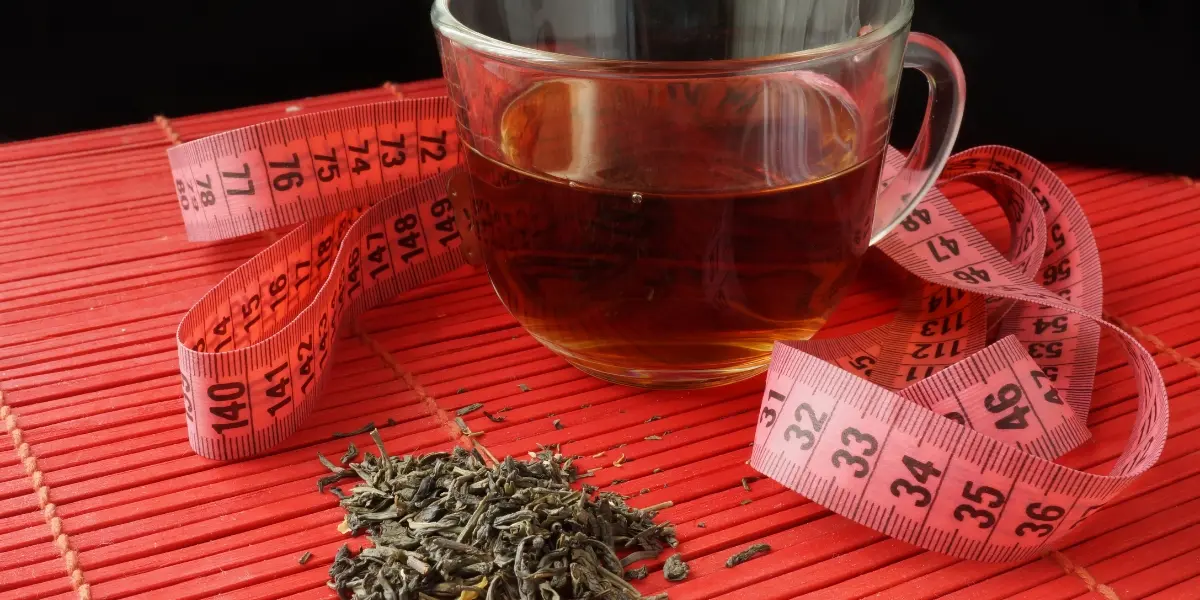
Ginger tea is a standout choice for the evening. Ginger increases thermogenesis, the process where your body generates heat and burns energy. It also helps lower cortisol, the stress hormone that stubbornly holds onto belly fat. Decaffeinated green tea is another option for those who want the metabolic benefits of catechins without the stimulating caffeine. And for pure relaxation, chamomile has decades of traditional use and emerging research behind its ability to settle an overactive mind.

The NaturalHub approach: About an hour before bed, boil water and steep a thumb-sized piece of fresh ginger root (sliced) for a full ten minutes. Sip it slowly in a chair, not in bed. Make the act of drinking the tea a ritual, not just a beverage consumption.

Step 4: Gentle Movement (Not a Sweaty Workout)

High-intensity exercise is fantastic for fat loss—just not right before bed. When you do a hard workout, your core body temperature rises, your heart rate stays elevated, and your sympathetic nervous system remains activated for hours afterward.

However, gentle, low-intensity movement in the evening creates a different effect entirely. A study published in Obesity found that evening walks help regulate blood sugar and improve insulin sensitivity without disrupting sleep architecture. Stretching, restorative yoga, or therapeutic breathing moves the body from the sympathetic “fight or flight” state into the parasympathetic “rest and digest” state.

The NaturalHub approach: A 15-minute walk after dinner, ideally outside so you catch the last of the fading natural light. When you get back, five minutes of slow, deep breathing—inhale for four counts, exhale for eight—can seal the relaxation response.

Step 5: Create a Bedroom Environment That Burns Fat

The place where you sleep is part of your night routine, and most bedrooms are working against their owners. Two environmental factors stand out in the research as critical for fat loss during sleep.

Temperature: Cooler is better, within reason. When you sleep in a cool room (around 18–20°C or 65–67°F), your body activates brown adipose tissue, a metabolically active fat that burns calories to maintain your core temperature.

Darkness: Any light in the bedroom—a blinking router, a streetlamp creeping through the curtains, a partner’s phone—disrupts melatonin production. A study published in the Journal of Pineal Research showed that melatonin directly increases brown fat activity, so blocking light is a direct metabolic intervention.

The NaturalHub approach: Set your thermostat to cool down in the evening. Use blackout curtains or a comfortable sleep mask. Keep the room clean and free of clutter.

The 3–3–7 Sleep Framework

Best Night Routine for Deep Sleep & Fat Loss Naturally
A Japanese obesity specialist developed a framework called the 3–3–7 Sleep Method, and it is one of the most practical, memorable systems available.
  • 3: Protect the first three hours of sleep. This is when growth hormone secretion peaks and deep slow-wave sleep dominates. Do not eat late, do not drink alcohol, and do not do anything that would cause you to wake up during this golden window.
  • 3: Be asleep by 3:00 AM. The body’s hormonal rhythms are tied to solar time, and late nights create a state of “social jet lag” where your internal clock is misaligned with the outside world.
  • 7: Aim for seven hours of total sleep. Not 5.5 hours, not 8.5 hours—seven hours is the target that balances restorative processes without oversleeping.

Common Night Routine Killers (And How to Handle Them)

“I Wake Up at 2:00 AM and Can’t Get Back to Sleep”

This is often a cortisol spike, sometimes triggered by low blood sugar or an overactive mind. Try the 4-7-8 breathing technique: inhale quietly through the nose for 4 seconds, hold the breath for 7 seconds, exhale audibly through the mouth for 8 seconds. Repeat three more times. This activates the vagus nerve and lowers heart rate.

“I Can’t Fall Asleep Without a Drink”

Alcohol might help you lose consciousness faster, but the sleep you get is not restorative. As the body metabolizes alcohol, it produces acetaldehyde, a compound that stimulates the brain and causes night-time awakenings. Your deep sleep and REM sleep are both slashed. Replace the alcohol ritual with the herbal tea and dim light routine from Steps 3 and 4.

What About Sex?

Sexual activity, with or without a partner, releases oxytocin (the bonding and relaxation hormone), increases serotonin (the precursor to melatonin), and lowers cortisol. All of this pushes the nervous system into parasympathetic mode, making it genuinely easier to fall asleep. The National Sleep Foundation has acknowledged this connection.

Your Night Routine at a Glance

Time Action What It Does
6:30–7:00 PM Finish dinner. Last bite of the night. Allows insulin to fall before bed; growth hormone window opens
8:00 PM Dim the lights. Switch devices to night mode or put them away. Signals pineal gland to begin melatonin release
8:30 PM Enjoy a warm cup of ginger or chamomile tea. Lowers cortisol, boosts thermogenesis, triggers relaxation cascade
8:45 PM Gentle 15-minute walk or evening stretch. Regulates blood sugar, deepens parasympathetic activation
9:30 PM Drift into sleep in a cool, pitch-dark room. Supports deep sleep stage, growth hormone secretion, and brown fat activity

A Gentle Closing Thought

The wellness industry has convinced us that fat loss requires punishment. Wake up early. Lift heavy. Run miles. Eat less. Suffer more.

But the emerging science paints a different picture. The body does its most profound repair and metabolic work not when you are grinding, but when you are resting deeply. The growth hormone that rebuilds your muscles, the melatonin that regulates your insulin sensitivity, the drop in cortisol that finally allows stubborn belly fat to be released—all of this happens in the dark, quiet hours when you are doing absolutely nothing visible.

A good night routine is therefore not an act of laziness. It is an act of strategic self-care. Every small choice you make between dinner and pillow—finishing your meal early, dimming the lights, sipping something warm, breathing slowly—is a direct investment in the chemical environment your body needs to release fat and restore energy.

You do not need to do all of this perfectly starting tonight. Pick one step. The tea. The walk. The darkened bedroom. Master that one thing for a week, then add another. The cumulative effect of these tiny, gentle shifts will surprise you—not just on the scale, but in the way you wake up: clear-headed, rested, and actually ready for the day.

Sleep well, burn naturally,
The NaturalHub Team

Frequently Asked Questions (FAQs)

Q: Will I really burn 300 calories just by sleeping deeply?

A: The 300-kilocalorie figure comes from the metabolic activity during deep sleep, largely driven by growth hormone secretion. It is not a literal “300 calories vanish every night” guarantee—it is an estimate of the energy cost of the repair and regeneration processes your body performs during restorative sleep. The precise number varies by individual body composition and metabolism.

Q: What if my work schedule prevents me from sleeping before 3:00 AM?

A: Many people work night shifts or have irregular schedules. The most important principle is consistency. Go to bed and wake up at the same time every day, even if those times are unconventional. Use blackout curtains to simulate darkness when you sleep during daylight hours, and prioritize the first three uninterrupted hours of whatever sleep window you have.

Q: Can I drink green tea at night, or does the caffeine keep me awake?

A: Regular green tea contains caffeine and is best consumed earlier in the day. In the evening, choose decaffeinated green tea or naturally caffeine-free herbal teas like ginger, chamomile, peppermint, or chrysanthemum. These still provide metabolic and relaxation benefits without the stimulant effect.

Q: How long does it take for a night routine to start affecting belly fat?

A: The hormonal shifts—lower cortisol, higher growth hormone, better insulin sensitivity—begin to happen within the first few nights of consistent practice. Visible changes in body composition typically take four to twelve weeks, depending on your overall diet and activity levels. Sleep alone will not override a poor diet, but it creates the hormonal environment that makes fat loss possible.

Q: Is it okay to nap during the day if I sleep poorly at night?

A: Yes, but keep it strategic. A power nap of 15–30 minutes before 3:00 PM can restore energy without disrupting your nighttime sleep drive. Anything longer or later in the day risks pushing your circadian rhythm later and creating a vicious cycle of poor night sleep.

References & Scientific Sources

1. Yui Clinic (Okinawa, Japan). Sleep Diet – Lose Weight by Sleeping Well. Published 2026.

2. Azadi, B. Do This Simple Bedtime Routine to Melt Belly Fat Overnight, Lower Cortisol, and Slow Aging Naturally. Podcast Episode. 2026.

3. NIH/PMC. The Impact of Sleep and Circadian Disturbance on Hormones and Metabolism. 2015.

4. Vietnam.vn / Healthline. 4 Things to Do in the Evening to Increase Fat Burning While You Sleep. 2025.

5. NDTV Health. Can Deep Sleep Help Build Muscle, Burn Fat, Boost Brain? New Study Says Yes. 2026.

6. Women’s Health Taiwan. 7:3:3 Sleep Weight Loss Method. 2025.

7. BOXROX. 5 Things You Should Do in the Evening if You Want to Lose Weight. 2025.

Disclaimer: This article is for educational purposes only and does not constitute medical advice. Always consult with a healthcare provider before making significant changes to your sleep, diet, or exercise habits, especially if you have an underlying health condition.

The Herbal Medicine Cabinet for Autoimmune Conditions: A Drug-Free Symptom Management Framework

A complete NaturalHub guide to managing autoimmune symptoms using evidence-based herbs and holistic lifestyle practices.

Introduction

Living with an autoimmune condition can often feel like an uphill climb, where your own body — designed to protect and heal you — becomes the source of persistent inflammation, pain, and fatigue. Affecting approximately 3–5% of the global population, autoimmune diseases ranging from rheumatoid arthritis and lupus to Hashimoto’s thyroiditis and psoriasis represent one of the fastest-growing categories of chronic illness.

For many, the conventional route of long-term immunosuppressive medication brings its own challenges, including limited efficacy and adverse side effects, leaving patients searching for a gentler yet effective path forward. This growing desire for holistic healing has led millions to explore natural remedies for autoimmune disease.

Herbal medicine for autoimmune conditions offers a profoundly different approach. Rather than broadly suppressing an already confused immune system, specific botanical compounds work to modulate, soothe, and restore balance to inflammatory pathways. This is the essence of building a drug-free symptom management framework — not replacing your doctor, but empowering you with complementary tools that support the body’s innate drive toward equilibrium.

1. Understanding Autoimmune Conditions and the Herbal Opportunity

The Herbal Medicine Cabinet for Autoimmune Conditions

At its core, autoimmunity represents a state of lost self-tolerance. Aberrant autoreactivity of CD4+ T helper cells leads to a destructive cascade where Th1 cells produce interferon gamma (IFNγ) and Th17 cells produce IL-17, driving pathogenesis in conditions like systemic lupus erythematosus (SLE) and rheumatoid arthritis (RA). In simple terms, the immune system’s alarm is stuck in the “on” position, unleashing chronic inflammation against healthy tissue.

This therapeutic gap is precisely where herbal remedies for autoimmune flare-ups shine. Emerging clinical and pre-clinical evidence supports the use of specific botanicals in modulating immune pathways and reducing inflammation without the toxicity associated with long-term pharmaceutical use.

A literature review exploring complementary and alternative medicine for autoimmune disorders found that patients who integrate herbal remedies, dietary interventions, and mind-body practices report higher satisfaction and better pain management outcomes.

2. Core Pharmacological Actions: Why Herbs Excel in Autoimmune Care

Unlike isolated pharmaceutical drugs that target a single enzyme, medicinal herbs contain hundreds of phytoconstituents that work synergistically on multiple pathways. Key mechanisms include:

  • Immunomodulation, not suppression: Herbs like berberine redress the Treg to Th17 cell ratio by inducing regulatory T cell differentiation and influencing gut microbiome composition.
  • NF-κB pathway inhibition: Berberine and curcumin inhibit NF-κB gene expression, reducing production of inflammatory cytokines like IL-1β, IL-6, and TNF-α.
  • Antioxidant protection: Botanicals rich in polyphenols neutralize free radicals, reducing tissue damage and slowing disease progression.
  • Gut-immune axis modulation: With over 80% of the immune system residing in the gut, herbs that repair the intestinal barrier and promote beneficial bacteria play a foundational role in any autoimmune protocol.

3. Building Your Herbal Medicine Cabinet: The 7 Essential Categories

Category 1: Immunomodulators — The Intelligent Balancers

These herbs are the cornerstone of any drug-free symptom management framework. They help recalibrate the immune response, calming overactive Th1 and Th17 pathways while supporting regulatory T cell function.

Herb Key Compound(s) Mechanism of Action
Berberine (Goldenseal, Oregon Grape, Barberry) Isoquinoline alkaloid Inhibits Th1/Th17 differentiation; promotes Treg cells; suppresses NF-κB and pro-inflammatory cytokines IL-1β, IL-6, IL-17
Rehmannia glutinosa Catalpol, iridoid glycosides Modulates immune pathways in lupus and RA; supports adrenal function and reduces autoreactivity
Cordyceps militaris Cordycepin, polysaccharides Balances Th1/Th2 ratio; enhances regulatory immune function; studied in lupus and RA

Category 2: Systemic Anti-Inflammatories — Cooling the Internal Fire

  • Turmeric (Curcuma longa): Curcumin inhibits multiple inflammatory molecules including TNF, prostaglandins, thromboxane, and leukotrienes.
  • Boswellia serrata (Indian Frankincense): Boswellic acids stop 5-lipoxygenase, reducing leukotrienes. Clinically reduces joint pain and swelling in RA.
  • Ginger (Zingiber officinale): Gingerol and shogaol suppress pro-inflammatory pathways and down-regulate inflammatory gene expression including NF-κB, linked to multiple sclerosis and psoriasis.

Category 3: Gut Barrier Restoratives — Healing at the Root

Intestinal permeability (“leaky gut”) is increasingly recognized as a trigger and perpetuator of autoimmune pathology.

  • Slippery Elm (Ulmus rubra): Rich in mucilage that coats and soothes the entire GI tract lining.
  • Marshmallow Root (Althaea officinalis): Provides demulcent properties, reducing gut inflammation and supporting mucosal repair.
  • Licorice Root — Deglycyrrhizinated (DGL): Supports the integrity of the gastric and intestinal mucosa. Note: whole licorice with glycyrrhizin may be immunostimulatory.

Category 4: Hepatic and Detoxification Support

Reducing the total toxic burden — from environmental pollutants, metabolic waste, and inflammatory byproducts — can significantly reduce immune activation.

  • Milk Thistle (Silybum marianum): Silymarin protects liver cells, supports phase II detoxification, and has independent anti-inflammatory effects.
  • Dandelion Root (Taraxacum officinale): A gentle hepatic tonic that supports bile flow and elimination of metabolic waste.
  • Rosmarinic Acid (from Rosemary, Lemon Balm, Perilla): Demonstrates immunoregulatory and antioxidant properties studied in autoimmune rheumatic disorders.

Category 5: Adaptogens for the Stress-Immune Axis

Chronic stress elevates cortisol, which over time dysregulates the HPA axis and directly fuels autoimmune flares.

  • Ashwagandha (Withania somnifera): Supports cortisol regulation and has immunomodulatory properties. Best used under professional guidance as it has immunostimulatory potential.
  • Holy Basil (Tulsi): Demonstrated anti-inflammatory activity comparable to aspirin and ibuprofen, while also supporting the body’s stress response.
  • Reishi Mushroom (Ganoderma lucidum): Contains triterpenes and polysaccharides that modulate immune function. Requires caution in certain autoimmune contexts — personalization is key.

Category 6: Nervines for Pain and Sleep

Autoimmune pain and sleep disruption create a vicious cycle: pain prevents restorative sleep, and poor sleep amplifies inflammation and pain perception.

  • Chamomile (Matricaria recutita): A gentle nervine that eases tension and promotes sleep without sedation.
  • Passionflower (Passiflora incarnata): Supports GABA pathways, easing anxiety and improving sleep quality.
  • Jamaican Dogwood (Piscidia piscipula): A traditional remedy for nerve pain and migraine associated with autoimmune conditions; use under guidance.

Category 7: Circulatory and Lymphatic Movers

Stagnation of lymph and blood contributes to pain, stiffness, and poor tissue healing in autoimmune arthritis and related conditions.

  • Prickly Ash (Zanthoxylum americanum): A diffusive circulatory stimulant that improves peripheral blood flow.
  • Cleavers (Galium aparine): A gentle lymphatic tonic supporting clearance of metabolic waste.
  • Cayenne (Capsicum annuum) — Topical: Capsaicin creams deplete substance P, reducing pain transmission in joints affected by RA.

4. A Critical Caution: 15 Herbs with Immunostimulatory Properties

Many “natural remedies” blog posts encourage boosting the immune system — but this can be exactly the wrong approach for autoimmune conditions where the immune system is already dangerously overactive.

A landmark systematic scoping review published in Lupus Science & Medicine identified 227 herbal supplements with immunostimulatory properties. The 15 herbs with the most robust evidence for stimulating immune responses are:

Alfalfa, ashwagandha, astragalus, chlorella, echinacea, garlic, ginseng, green tea extract, Indian mulberry, liquorice, mistletoe, reishi mushroom, skullcap, spirulina, and tinospora.

This does not mean these herbs are universally harmful for autoimmunity — their effects are bidirectional and context-dependent. Always consult a qualified herbalist or integrative practitioner before adding immunomodulatory herbs to your protocol. What works beautifully for one person may flare another.

5. Your Personal Drug-Free Symptom Management Framework

Phase 1 — Weeks 1–4

Foundation: Gut Healing and Toxic Burden Reduction

  • Eliminate known dietary triggers (gluten, dairy, processed foods).
  • Begin gut-restorative protocol: Slippery Elm or Marshmallow Root tea twice daily.
  • Support liver clearance with Milk Thistle and Dandelion Root.
  • Focus on nutrient-dense, anti-inflammatory foods: leafy greens, omega-3-rich fish, turmeric-spiced meals.

Phase 2 — Weeks 3–8

Inflammation Cooling

  • Introduce Turmeric (curcumin) with black pepper and a fat source for absorption.
  • Add Boswellia serrata for joint and systemic inflammation.
  • Incorporate Ginger as a daily culinary and therapeutic spice.
  • Begin gentle lymphatic support with Cleavers tea or dry skin brushing.

Phase 3 — Weeks 6–12 (with professional guidance)

Immune Modulation

  • Under supervision, consider berberine-containing herbs (Goldenseal, Oregon Grape) for short-term immunomodulation.
  • Evaluate whether adaptogens like Holy Basil or Ashwagandha are appropriate for your specific condition.
  • Introduce Rehmannia or Cordyceps if relevant to your autoimmune profile.

Phase 4 — Ongoing

Maintenance and Stress Resilience

  • Rotate anti-inflammatory herbs to prevent tolerance.
  • Maintain gut health with probiotic foods (fermented vegetables if tolerated).
  • Prioritize sleep and stress management with nervines as needed.
  • Regular check-ins with your healthcare team to monitor progress.

6. Lifestyle Foundations: The Non-Negotiable Pillars

Even the most potent herbal medicine cabinet cannot compensate for a lifestyle that fuels inflammation. Integrate these five pillars:

  1. Anti-inflammatory nutrition: The Autoimmune Protocol (AIP) diet — removing grains, dairy, legumes, nightshades, eggs, nuts, and seeds — has been shown to reduce inflammation and improve symptoms in autoimmune patients.
  2. Circadian-aligned sleep: Prioritize 7–9 hours of sleep in a completely dark room with consistent sleep-wake times. Autoimmune flares and poor sleep are bidirectionally linked.
  3. Gentle, consistent movement: Regular exercise is a natural anti-inflammatory. Yoga in particular has proven effective in the treatment of many rheumatic diseases.
  4. Stress modulation: Chronic stress is a proven trigger for autoimmune flares. Daily meditation, breathwork, and time in nature directly reduce inflammatory cytokines.
  5. Environmental toxin reduction: Minimize exposure to endocrine disruptors, pesticides, and heavy metals through clean water, air purification, and organic food choices.

7. Five Common Beginner Mistakes to Avoid

  1. Using immunostimulatory herbs unintentionally. Echinacea and astragalus are excellent for fighting colds but may theoretically flare autoimmune conditions. Know the difference between immunomodulation and immunostimulation.
  2. Stopping medication abruptly. Herbal medicine is a complementary approach. Never discontinue prescribed medications without your doctor’s supervision.
  3. Expecting instant results. Herbal medicine works gently and deeply. Allow 6–12 weeks of consistent use before evaluating effectiveness.
  4. Ignoring gut health. Focusing solely on anti-inflammatory herbs while continuing to eat gut-damaging foods severely limits progress.
  5. Self-prescribing without guidance. The complexity of autoimmune conditions demands professional oversight. Work with a naturopathic doctor or clinical herbalist who understands your specific condition.

8. Frequently Asked Questions

Q1: Can herbal medicine really help manage autoimmune conditions?

Yes, but through intelligent modulation, not a “cure.” Botanicals like berberine, curcumin, and Boswellia have been clinically studied and shown to reduce inflammatory markers, modulate T-cell ratios, and improve symptoms in conditions such as rheumatoid arthritis and lupus. The goal is complementing — not replacing — conventional care.

Q2: How is a drug-free symptom management framework different from just taking supplements?

This framework integrates herbal medicine, dietary changes, gut healing, stress management, and lifestyle optimization into a cohesive, personalized system. It addresses the root drivers of autoimmunity rather than simply suppressing symptoms.

Q3: Are there any herbs I should absolutely avoid if I have an autoimmune disease?

A systematic review identified 15 herbs with strong immunostimulatory evidence, including echinacea, astragalus, alfalfa, and spirulina. However, responses are highly individual. Professional guidance is essential.

Q4: How long before I notice improvements from herbal remedies?

Acute anti-inflammatory effects from herbs like ginger and turmeric may be felt within days. Deeper immunomodulatory shifts typically take 6–12 weeks of consistent use, particularly when combined with dietary and lifestyle changes.

Q5: Can I build an herbal medicine cabinet on a budget?

Absolutely. Start with affordable staples: dried turmeric, ginger, chamomile, and slippery elm powder. Many bulk herb suppliers offer loose, organic herbs at accessible prices. Grow your own Holy Basil or Lemon Balm in a pot for fresh, zero-cost medicine.

Q6: What is the best diet to pair with herbal autoimmune management?

The Autoimmune Protocol (AIP) diet is the most research-aligned approach. It removes common inflammatory triggers — grains, dairy, legumes, eggs, nightshades, nuts, and seeds — and emphasizes nutrient-dense vegetables, quality proteins, and healing fats. Reintroduction phases help identify personal food sensitivities.

Conclusion: Your Empowered Healing Journey Starts Now

The path of managing an autoimmune condition naturally is about empowerment, curiosity, and a deepening relationship with plants and practices that have supported human health for millennia. By building a thoughtful, evidence-informed herbal medicine cabinet, you are choosing to become an active participant in your healing, working in partnership with your body rather than against it.

This framework integrates the best of what modern science reveals about immunomodulation — from berberine’s Treg-balancing effects to curcumin’s NF-κB inhibition — with the timeless wisdom of holistic, whole-body care. True healing happens through the daily, cumulative choices we make: the food on our plate, the herbs in our cup, the quality of our sleep, and the way we manage life’s inevitable stresses.

Start small. Choose one herb from Category 1 to research more deeply. Sip a cup of ginger-turmeric tea tonight. Begin the conversation with an integrative practitioner who can guide your unique path. Your herbal medicine cabinet for autoimmune conditions is waiting to be built.

Disclaimer: This article is for educational and informational purposes only and does not constitute medical advice. Always seek the advice of a qualified healthcare provider regarding any medical condition. Never disregard professional medical advice or delay seeking it because of something you have read on NaturalHub.

Herbal Drinks That Reduce Belly Fat (Backed by Science)

Struggling with stubborn belly fat? Discover 6 herbal drinks backed by real science (including 2025–2026 clinical trials) that target visceral fat, boost metabolism, and balance hormones—no magic pills, just nature’s pharmacy.

We need to have an honest conversation about belly fat. It’s stubborn. It clings to the midsection like it’s paying rent. And no matter how many crunches you do or how many “flat belly juice cleanse” ads you scroll past on Instagram, it seems to have a mind of its own.

But here’s what those clickbait articles won’t tell you: belly fat isn’t just about calories. It’s a metabolically active organ. Visceral fat—the deep kind that wraps around your internal organs—pumps out inflammatory chemicals that mess with your hormones, your insulin sensitivity, and even your hunger signals. It’s not just sitting there looking bad in a fitted shirt; it’s actively working against you.

The good news? Nature has a pharmacy of compounds that scientists are studying right now—in 2025 and 2026—that specifically target the pathways involved in visceral fat storage. And yes, many of them come in the form of a warm, comforting cup of herbal tea.

At NaturalHub, we waded through the recent clinical trials, systematic reviews, and meta-analyses so you don’t have to. These aren’t “grandma’s home remedies” (though grandma was often right). These are beverages with peer-reviewed evidence behind them. Let’s pour ourselves a cup and dig into the science.

Why Herbal Drinks Work Differently Than Just “Water”

Herbal Drinks That Reduce Belly Fat

Before we get to the specific teas, let’s establish why this approach actually makes sense from a physiological standpoint.

Most people trying to lose belly fat focus exclusively on restricting food intake. But the body is not a simple math equation. When you sip on specific herbal infusions throughout the day, three things happen that plain water simply doesn’t do:

  1. Thermogenesis Activation: Certain compounds gently raise your body’s core temperature or metabolic rate. Think of it as turning up the thermostat in your house—it costs a little more energy, and that energy comes from stored fuel (fat).
  2. Hormonal Signaling: This is the big one. Compounds in plants can mimic or influence hormones like adiponectin. This is a hormone your fat cells themselves secrete. When adiponectin levels rise, your body becomes better at using fat for fuel and more sensitive to insulin.
  3. Gut Microbiome Modulation: The bacteria in your gut play a massive role in whether you store fat or burn it. Herbal polyphenols act as prebiotics, feeding the good bacteria (like Bifidobacterium and Akkermansia) while starving the bad guys that promote inflammation and fat storage.

With that foundation in place, let’s look at the specific drinks that have the strongest scientific receipts.

1. Green Tea: The Heavyweight Champion of Visceral Fat Reduction

You knew this one was coming. But if you think green tea is just a “metabolism booster,” you’re missing the more impressive story happening deep in your abdomen.

Green tea is rich in compounds called catechins, with the most powerful being EGCG (epigallocatechin gallate). But what does that actually do to belly fat?

The Science: It Goes Straight for the Visceral Fat

A massive pooled analysis of six human trials involving nearly a thousand participants looked specifically at beverages containing 540–588 mg of green tea catechins. After 12 weeks, the results were clear: participants saw a significant reduction in Visceral Fat Area by an average of -7.5 cm².

Why is that specific number so important? Because visceral fat (VFA) is the dangerous fat hidden behind your abdominal wall. It causes inflammation and metabolic disease. The study found that those who reduced their visceral fat had a 4.36 times higher odds of improving their overall metabolic syndrome risk.

Here’s what you need to know about the dose: a standard cup of brewed green tea contains about 50–100 mg of catechins. To hit the therapeutic dose seen in studies, you’d need roughly 3 to 5 cups of high-quality green tea per day, or a concentrated matcha (which contains the whole leaf, not just the steeped water).

NaturalHub Tip: Don’t ruin it with sugar. If you need sweetness, a drop of stevia is fine. But the catechins work best when your insulin is stable. Adding a squeeze of lemon actually helps preserve the catechins during digestion, making them more bioavailable.

2. Ginger Tea: The Metabolic “On” Switch You’ve Been Ignoring

Ginger is often pigeonholed as the “nausea and cold weather” remedy. But new research from 2025 has repositioned ginger as a serious player in the fight against stubborn midsection weight.

The Science: It Raises Your Body’s Fat-Burning Hormone

A systematic review published in Complementary Therapies in Medicine analyzed data from over 1,800 adults across 36 clinical trials. They discovered that daily ginger consumption had a measurable, statistically significant effect on adiponectin levels.

Imagine your fat cells have a manager. When adiponectin levels are high, that manager is efficient — it directs traffic so that fat gets shuttled into the mitochondria (your cells’ power plants) to be burned for energy instead of just sitting there on your waistline. As we age or gain weight, adiponectin drops. Ginger helps turn that dial back up.

The Hard Numbers from the Trials

  • Adiponectin increase: +0.84 μg/mL
  • Waist circumference reduction: -0.65 cm
  • Body fat percentage reduction: -1.49%

A centimeter and a half off the waist might not sound like a dramatic “melt 10 pounds in a week” headline. But this is sustainable, hormonal change — not water weight. It’s the difference between losing fat and just dehydrating yourself temporarily.

How to Drink It

Commercial ginger tea bags are okay, but often weak. The best method is fresh ginger root. Slice about an inch of fresh ginger (no need to peel if it’s organic), pour boiling water over it, and let it steep for a solid 10 minutes. It should be spicy enough to make your lips tingle slightly—that compound, gingerol, is what’s doing the metabolic work.

3. Chrysanthemum Tea (Hangbaiju): The Gut-Fat Connection Fixer

This is the underdog of the list. While everyone raves about green tea, a fascinating body of research is emerging around the humble chrysanthemum flower, particularly the variety known as Hangbaiju, which has been consumed in Asia for centuries as a cooling, soothing evening tea.

The Science: It Restores the Gut Barrier and Slashes Triglycerides

A 2025 study published in the journal Plants examined the effects of polyphenol-rich Hangbaiju extracts on mice fed a high-fat diet. The results were striking. Mice receiving the extract saw a 16.28% to 16.24% suppression of body weight gain compared to those who didn’t.

More importantly, the study looked at the Firmicutes/Bacteroidetes ratio — a key metric in gut science. An unhealthy, obese-prone gut has too many Firmicutes. The Hangbaiju extract slashed this ratio by 0.23-fold to 0.12-fold, effectively shifting the gut environment toward a profile associated with leanness and better metabolic health.

What This Means for Your Belly

Chrysanthemum is rich in a compound called apigenin-7-O-glucoside. Lab studies show this compound directly inhibits the formation of new fat cells (adipogenesis). While it’s not a magic eraser for existing fat, it creates a metabolic environment where it’s harder to store new belly fat, especially from the liver.

How to Drink It

You can find dried chrysanthemum flowers at most Asian grocers or herbal shops. They’re beautiful in a glass teapot. The flavor is mildly floral and slightly sweet. It’s also naturally caffeine-free, making it the perfect after-dinner drink to help digestion without disrupting sleep.

4. The Butterfly Pea & Lemon Synergy (BPL)

Here is where we separate “ancient wisdom” from “scientific validation.” Butterfly pea flower tea has been an Instagram sensation for years because of its mesmerizing blue color that turns purple with lemon. Most influencers talk about it as a “pretty drink.” Recent toxicology and obesity research suggests it’s much more than that.

The Science: A 2026 Animal Study Shows Direct Body Fat Reduction

A 2026 study in the Journal of Obesity administered a specific blend of Butterfly Pea Flower (Clitoria ternatea) and Lemon juice (BPL) to obese male rats for 21 days. The researchers tested different ratios and found that the 85% flower to 15% lemon formulation produced the greatest reduction in body weight and Lee Index (a measure of obesity in rodents).

The mechanism? The study concluded that the beverage modulates lipid metabolism and hormonal regulation, specifically noting a reduction in leptin levels and triglycerides.

Why Lemon is Crucial Here

Butterfly pea is rich in anthocyanins (antioxidants). The citric acid and Vitamin C from the lemon doesn’t just change the color from blue to purple — it stabilizes those antioxidants so they survive the journey through your stomach acid and reach your bloodstream intact.

NaturalHub Brewing Suggestion: Steep 5–7 dried butterfly pea flowers in hot water for 5 minutes. Remove flowers. Squeeze in half a fresh lemon. Watch the magic purple transformation. Drink it warm or iced. This is an excellent replacement for sugary afternoon sodas that contribute directly to belly fat storage.

5. Green Tea Kombucha: The Fermented Edge

We’ve covered green tea. But what happens when you ferment that tea with a SCOBY (Symbiotic Culture Of Bacteria and Yeast)? You get kombucha — and more importantly, you get a drink that might target cardiometabolic markers even better than regular tea.

The Science: Improved Cholesterol and Insulin Handling

A randomized controlled trial in 2026 gave overweight individuals a daily dose of 200 mL of Green Tea Kombucha alongside a calorie-restricted diet for 10 weeks. While both the control group and the kombucha group lost weight, the kombucha group showed significant reductions in total cholesterol, LDL (“bad”) cholesterol, and triglycerides.

Why Does This Matter for Belly Fat?

High triglycerides and insulin resistance are the gasoline on the fire of visceral fat storage. When your triglycerides are high, your body is in storage mode. Kombucha appears to help clear these fats from the bloodstream, making it easier for your body to access and burn stored belly fat for energy.

A Word of Caution: Kombucha is fantastic, but it’s not a free-for-all. Portion control matters. Commercial kombuchas can be loaded with added sugar for flavor. Look for brands with less than 5g of sugar per serving, or brew your own at home. Stick to the 200–250 mL serving size used in the studies — more is not better when it comes to fermented acids.

6. Green Coffee Bean Extract: The Hidden Gem

Although it often flies under the radar, green coffee bean extract deserves a spot here because of its prominence in a comprehensive 2025 network meta-analysis of 39 studies and 2,513 participants that ranked various plant-based interventions.

In that analysis, Green Coffee — which is rich in chlorogenic acid, a compound partially lost when beans are roasted — led to the largest reduction in Body Fat Percentage among common herbal interventions, with a mean difference of -2.90%.

How to Use It

Green coffee isn’t a culinary delight — it tastes grassy and astringent. But it’s available as a mild beverage or extract. The key active ingredient, chlorogenic acid, works by inhibiting the enzyme that releases glucose into your blood after meals. Less glucose spike = less insulin release = less fat storage around the belly.

Your NaturalHub Belly Fat Tea Schedule

Timing is everything. You can’t just chug all these at once. Here’s a realistic, human schedule that maximizes the science without you living in the bathroom.

Time of Day Recommended Drink Scientific Reasoning
Morning (7–9 AM) Matcha Green Tea or Ginger Tea Kickstarts thermogenesis and catechins for the day ahead.
Lunch (12–1 PM) Green Coffee (or Black Coffee) Chlorogenic acid buffers the blood sugar spike from lunch.
Afternoon (3–4 PM) Butterfly Pea Lemonade Replaces sugary soda cravings with antioxidant-rich, anti-glycation support.
Evening/Night (8–9 PM) Chrysanthemum Tea Caffeine-free. Supports gut microbiome repair and lipid metabolism while you sleep.

The Elephant in the Room: Why Drinks Alone Won’t “Melt” Fat (And That’s Okay)

We have to be honest here because the internet is full of liars. Drinking three cups of green tea a day while sitting on the couch eating processed food will result in exactly zero inches lost from your waistline.

Visceral fat is stubborn. The studies above show reductions of 1–2% body fat and a few centimeters of waist circumference over 12 weeks. That is healthy, sustainable, and scientifically significant. But it’s not a detox or a quick fix.

The real power of these drinks lies in pairing them with the right environment. A network meta-analysis made one thing brutally clear: Green Tea combined with Exercise outperformed either intervention alone. If you want to accelerate the loss of that dangerous belly fat, you need the catechins from the tea and the muscle activation from movement.

That doesn’t mean you need to run a marathon. A brisk 20-minute walk after dinner, paired with a cup of chrysanthemum tea, is a scientifically sound, two-pronged attack on visceral fat.

Potential Pitfalls and Safety Notes

  • Caffeine Sensitivity: Green tea and green coffee contain caffeine. While lower than coffee, having them after 2 PM can disrupt sleep — and poor sleep is a direct contributor to belly fat gain due to cortisol spikes.
  • Iron Absorption: The tannins in green tea can inhibit iron absorption from plant foods. If you struggle with anemia, drink your tea between meals, not with your steak or spinach salad.
  • Pregnancy: Ginger is often recommended for morning sickness, but high doses of concentrated herbal extracts may not be safe. Always consult your OB/GYN with herbal intake during pregnancy.

Frequently Asked Questions (FAQs)

Q: Can I mix all these herbs into one “super tea”?

Please don’t. The flavors would be atrocious, but more importantly, the absorption pathways might compete. Stick to enjoying them individually at different times of day to get the targeted benefits.

Q: How long until I see results in my belly?

Clinical trials on green tea catechin drinks showed statistically significant changes in visceral fat area after 12 weeks of consistent daily intake. Be patient. This is about rewiring your fat storage hormones, not just flushing water.

Q: Is it better to drink these hot or cold?

Hot water extraction (steeping) is best for releasing most herbal compounds. However, for catechin-rich green tea, cold brewing (steeping in cold water overnight) actually yields a sweeter, less bitter tea with the same fat-burning compounds. Choice is yours.

Q: Are “detox teas” the same thing?

Absolutely not. Many commercial “detox teas” or “flat tummy teas” contain hidden laxatives (like senna leaf) that force water and waste out of your colon. This makes the scale go down temporarily but does zero to visceral fat. In fact, long-term laxative use can harm your gut microbiome and worsen metabolic health. Stick to the single-ingredient herbs listed above.

The Final Sip

The journey to reducing belly fat isn’t found in a single magic elixir, but in a consistent, supportive environment for your body. Herbal drinks are one of the most pleasant, warming, and scientifically validated tools to add to that environment.

You can choose to look at these as “drinks that burn fat,” or you can look at them as signals of self-care. When you take 10 minutes to steep a fresh ginger tea or watch a chrysanthemum flower bloom in hot water, you’re activating your parasympathetic nervous system (the “rest and digest” mode). And guess what? A calm nervous system produces less cortisol — the stress hormone that is single-handedly responsible for driving visceral belly fat storage.

So steep, sip, breathe, and walk. Your belly — and your health — will thank you for it.

Stay healthy and natural,
The NaturalHub Team

Disclaimer: This article is for educational purposes only. Always speak with a healthcare provider before beginning any new herbal regimen, especially if you take prescription medications.

Why You Feel Tired All Day (Even After Sleeping): A Real Look at the Energy Crisis Inside Your Body

You know the drill. The alarm screams at you. You fumble for the snooze button, roll over, and think, “I just slept for eight hours. Why does this feel like I only closed my eyes five minutes ago?”

By the time you’ve poured your first cup of coffee, you’re already counting down the hours until you can crawl back into that same bed. The afternoon rolls around and a wave of exhaustion hits you so hard you consider napping under your desk like George Costanza.

It’s maddening, isn’t it? We’re told sleep is the ultimate cure. Get your eight hours, they say. But what happens when the math doesn’t add up? What if you’re banking the hours but waking up bankrupt?

At NaturalHub, we stopped believing the “eight-hour myth” a long time ago. Feeling tired all day isn’t a character flaw, and it’s certainly not just about being lazy. It’s usually a handful of small, sneaky things working together to drain your battery while you’re not looking. Let’s skip the generic fluff and talk about what’s actually happening in your body and brain.

The Morning Fog Has a Name (And It’s Not “Monday”)

Let’s start with the first hour of your day. That period where your brain feels like it’s wrapped in a wet blanket? That’s not because you didn’t sleep enough. It’s called sleep inertia, and it’s a legitimate physiological state.

Think of your brain as a massive, complex orchestra. When you’re awake, every section—strings, brass, percussion—is playing a symphony. When you sleep, the conductor leaves, and the musicians slowly pack up their instruments. When the alarm goes off, the conductor runs back in screaming, “WE’RE ON IN FIVE SECONDS!”

It’s chaos. Blood flow to the thinking part of your brain (the prefrontal cortex) lags behind. It takes a solid twenty to thirty minutes for that orchestra to tune up and get back in sync. If you happened to wake up in the middle of a deep sleep cycle—the kind where you’re dead to the world and drooling on the pillow—that fog can stick around for a couple of hours.

Here’s a dirty little secret the sleep hygiene blogs don’t mention: The longer you linger in bed after waking, the worse the inertia gets. The brain gets confused signals. “Are we awake? Are we sleeping? Let’s just half-do both.” That’s why hitting snooze is actually training your body to fail at waking up.

What to try instead

Get up the second your eyes open. Sit up. Put your feet on the floor. Even if you just sit there on the edge of the bed like a grumpy gargoyle for five minutes, you’re sending a clear, physical signal: Showtime.

The Coffee Trap (I’m Sorry to Be the One to Tell You This)

Look, I love coffee. I have a relationship with coffee that borders on a dependency. But we need to talk about the Adenosine Hangover.

There’s a chemical in your brain called adenosine. It builds up the longer you’re awake, creating something scientists call “sleep pressure.” The more adenosine, the heavier your eyelids feel. Sleep clears out the adenosine. Great.

But if you had a rough night—maybe you tossed and turned, maybe the dog barked at a leaf at 3:00 AM—you wake up with leftover adenosine still gumming up the works. Your brain is saying, “We didn’t finish cleaning up last night.”

You grab a cup of coffee. Caffeine is brilliant. It doesn’t actually give you energy; it just shoves adenosine out of the receptors in your brain. “Move it, loser.” You feel awake. For now. But the adenosine hasn’t gone anywhere. It’s just standing in the corner, waiting.

Three or four hours later, the caffeine molecules get metabolized and leave the building. The adenosine, which has been patiently waiting with its arms crossed, sits back down in the receptors with a vengeance. That’s why you crash so hard after a bad night’s sleep plus coffee. You’re not just tired; you’re experiencing a chemical backlog of sleep pressure.

A kinder approach

Try waiting an hour after waking to have that first sip. Let your body’s natural cortisol (the real wake-up hormone) do its job first. If you need a ritual, drink a full glass of water with a pinch of salt. It’s less romantic than coffee, but your brain will thank you for the electrolyte boost.

The Energy Vampires You’re Inviting In Every Day

Okay, so we’ve covered the morning chaos. What about the rest of the day? Why does 2:00 PM feel like wading through wet cement?

Let’s talk about food. Not in a diet-culture way, but in a “what fuel are we putting in this machine?” way.

I want you to think about what you ate for breakfast this morning. Was it a bowl of cereal? A bagel? Maybe just a banana smoothie with some almond milk? If the answer is “mostly carbs and sugar,” I can predict your afternoon with 90% accuracy.

You gave your body a quick hit of glucose. Your blood sugar shot up like a rocket. Your pancreas freaked out and yelled, “INSULIN! NOW!” The insulin was so efficient at removing the sugar from your blood that it actually removed too much. Now your blood sugar is lower than it was when you woke up.

Low blood sugar feels exactly like exhaustion. Dizziness. Brain fog. The desperate urge to find a vending machine for a chocolate bar to start the cycle all over again.

The fix

Eat your breakfast like a European, not an American. Have something savory. Eggs. Leftover chicken. Avocado with salt. You want protein and fat in the morning. It’s like putting a big, slow-burning log on the fire instead of a pile of dry leaves. The energy release is smooth and steady. You’ll be shocked how different 11:00 AM feels when you’re not riding a sugar rollercoaster.

The Vitamin Hole You Might Be Living In

Sometimes, no amount of sleep or protein will fix the problem because the engine is missing a specific bolt. This is especially common if you’ve been stressed, if you work indoors, or if you’ve cut out certain food groups.

There are three big ones that make people feel like they’re dragging a ball and chain:

Iron: If you’re even slightly low on iron, your blood can’t carry oxygen efficiently. And oxygen is pretty important for, you know, living. This manifests as a deep, heavy tiredness that feels like gravity is turned up.

Vitamin B12: This is the spark plug for your nerves. Without it, the signals from your brain to your muscles get slow and fuzzy. You feel weak and mentally spaced out.

Vitamin D: We’ve all been inside too much. Low Vitamin D is so closely linked to fatigue and low mood that doctors now check it routinely when people complain of being “tired all the time.”

This isn’t a prompt to go buy a shelf full of pills at the pharmacy. In fact, please don’t do that blindly. This is a prompt to maybe, just maybe, get a simple blood test next time you see a doctor. Knowing what you’re working with is half the battle.

The Great Outdoors: A Cure You’ve Been Ignoring

I know it sounds like something your grandmother would say, but go outside. And I mean literally look at the sky. Not through a window. Not through sunglasses.

Here’s the weird, fascinating biology of it: When specific cells in the back of your eye register sunlight, they send a direct message to the master clock in your brain (the suprachiasmatic nucleus). That message says, “It is Daytime. We are AWAKE. Start the countdown for sleep in 14 hours.”

If you don’t get that bright light signal in the morning, your internal clock drifts. It starts thinking maybe it’s still twilight. By the time 10:00 PM rolls around, your body isn’t ready for bed. You lie there staring at the ceiling. You finally fall asleep at midnight, but the alarm still goes off at 6:30 AM. You’ve just robbed yourself of two hours of quality rest.

The NaturalHub non-negotiable

Two minutes. Just two minutes of sky-gazing in the morning. It costs nothing and re-sets your entire energy cycle for the next twenty-four hours.

A Week of Small Fixes (That Add Up Huge)

Reading about being tired is fine. Doing something about it is better. Here’s a human, gentle, five-day approach that doesn’t require you to throw out your coffee maker or join a monastery.

Monday – The Wake-Up Call Do not hit snooze. No matter what. Put your alarm across the room if you have to. Stand up immediately. Groan if you must. Just don’t lie back down. Why it matters: Breaks the sleep inertia loop.

Tuesday – The Savory Swap Eat something with fat and protein for breakfast. Scrambled eggs. Full-fat yogurt with nuts. Leftover dinner. Anything but sugar or plain carbs. Why it matters: Sets a flat glucose curve for the day.

Wednesday – The Sky Check Before you check your phone notifications, look at the sky. Stand on the porch or by a window (opened). Let the photons hit your eyeballs. Why it matters: Locks in your circadian rhythm.

Thursday – The Breather When you feel the afternoon slump coming on (usually 2:30 PM), don’t grab a snack. Instead, take three breaths where the exhale is twice as long as the inhale. In for 4 counts, out for 8 counts. Why it matters: Switches your nervous system from “Panic Mode” to “Chill Mode.”

Friday – The Walk Take a 15-minute walk. Not for exercise. Not for steps. Just for movement. Even if you feel like a slug. The movement sends a signal to your cells to make more energy. Why it matters: Motion creates energy. Stillness (when you’re already tired) breeds more stillness.

A Gentle Warning (The “See Someone” List)

I’m a big believer in lifestyle fixes. They work for most of us most of the time. But sometimes the body is whispering something more serious.

If you are sleeping 8+ hours, moving your body, eating well, and you still can’t keep your eyes open past 7:00 PM… If you have a partner who says you sound like a dying lawnmower all night… If your hair is thinning or you’re always freezing cold…

It’s time to have a conversation with a professional. Sleep Apnea (where you stop breathing at night) is a huge, silent cause of daytime exhaustion. So is a slow thyroid. These aren’t things you can fix with a better pillow or a smoothie recipe. They require a doctor.

There is zero shame in that. Knowledge is power. Knowing why the tank is empty gives you the map to fill it up again.

The Last Sip of Coffee

Feeling tired all day, especially when you think you’ve “done everything right” with sleep, is one of the most frustrating experiences of modern life. But it’s not a mystery your body is keeping from you. It’s usually just a few dials that need adjusting—the timing of your light, the composition of your plate, or the way you wake up.

You don’t need to fix everything at once. Just pick one thing from the list above and try it for three days. Seriously. Three days.

You might just find that the energy you’ve been searching for at the bottom of an extra-large mug has been waiting for you somewhere else entirely.

Stay rested out there, The NaturalHub Team

Natural Energy Boost Without Coffee – Full Day Routine: Sustainable Ways to Stay Energized All Day

Tired of relying on coffee for that morning kick only to crash by afternoon? Many people face constant fatigue, brain fog, and energy dips despite multiple cups. The good news? You can achieve steady, natural energy throughout the day without caffeine by building simple habits around hydration, nutrition, movement, sunlight, and smart routines.

Top search results from Harvard Health, WebMD, Healthline, and wellness sites emphasize the same core ideas: drink water, eat balanced meals with protein and fiber, move your body, get morning light, manage stress, and prioritize sleep. But most articles offer scattered tips or short lists. This complete guide for NaturalHub turns those insights into a practical full-day routine you can follow easily — with morning, midday, afternoon, and evening steps, plus Desi-friendly options, quick recipes, and science-backed explanations.

No stimulants, no crashes — just sustainable energy from working with your body’s natural systems. Let’s build a routine that keeps you alert, focused, and vibrant from wake-up to bedtime.

Why You Can Boost Energy Naturally Without Coffee

Caffeine gives a quick jolt by blocking adenosine (the sleep signal), but it often leads to tolerance, jitters, and afternoon crashes. Natural methods work differently: they support your body’s own energy production (ATP), stabilize blood sugar, improve oxygen flow, and align with your circadian rhythm.

Key mechanisms from research:

  • Hydration — Even mild dehydration causes fatigue because your blood thickens and cells get less oxygen.
  • Nutrient-dense foods — Protein, B vitamins, healthy fats, and complex carbs fuel mitochondria without blood sugar spikes.
  • Movement and sunlight — Exercise releases endorphins and norepinephrine; morning light resets your internal clock for better alertness and sleep.
  • Stress and sleep management — Chronic stress drains energy; quality sleep restores it.

Studies show these habits (like vegetables-first eating or short walks) improve energy more sustainably than caffeine alone. The best part? They compound over time — you’ll feel better in days and build lasting vitality.

The 5 Golden Principles for Caffeine-Free Energy

Principle 1: Hydrate First and Often

Water is the quickest natural energizer. Start your day with it and keep sipping throughout.

Principle 2: Eat for Steady Fuel

Prioritize protein + fiber + healthy fats. Avoid sugar crashes by skipping refined carbs on their own.

Principle 3: Move Regularly

Short bursts of movement beat long sedentary periods. Even 5–10 minutes makes a real difference.

Principle 4: Get Natural Light and Fresh Air

Especially in the morning — sunlight is one of the most powerful natural signals for wakefulness.

Principle 5: Align With Your Body Clock

Consistent sleep and a calming wind-down routine matter most for all-day energy.

Full Day Natural Energy Routine (From Morning to Night)

Here’s a realistic, flexible schedule. Adjust timings based on your lifestyle — whether you’re in a Pakistani household with early mornings or have a standard 9-to-5.

Morning (Wake-Up to 10 AM): Set the Foundation for All-Day Energy

Start strong — your first 60–90 minutes determine the rest of the day.

Upon Waking (0–15 Min): Drink Water

Drink 500ml (2 glasses) of room-temperature water. Add lemon or cucumber slices for flavor and a mild vitamin C boost. Dehydration after sleep is a top cause of morning grogginess.

Morning Sunlight (10–20 Min)

Step outside or sit by a window for natural light. This suppresses melatonin and boosts serotonin and cortisol in a healthy way for alertness.

Movement (10–15 Min)

Do light exercise — brisk walk, yoga stretches, or 20 bodyweight squats/jumping jacks. Exercise tells your cells to produce more energy and releases feel-good endorphins.

Breakfast: Balanced and Sustaining

Choose protein + fiber + healthy fat. These prevent mid-morning crashes better than sugary tea or paratha alone.

  • Greek yogurt or curd with berries, chia seeds, and a handful of almonds
  • Oatmeal with peanut butter, cinnamon, flaxseeds, and a boiled egg
  • Natural Option Besan chilla (gram flour pancake) with spinach and yogurt, or paneer bhurji with veggies and a small roti

Quick Recipe Energizing Green Smoothie — Blend spinach, banana, apple, handful of nuts/seeds, and curd or plant milk. Ready in 5 minutes.

Mid-Morning (10 AM – 1 PM): Maintain Momentum

Hydration Check

Sip another 500ml water. Add herbal tea (ginger, tulsi, or mint) for gentle flavor — no caffeine needed.

Smart Snack (If Hungry)

Pair fruit with protein or fat. Apple + almond butter, or banana with walnuts and cottage cheese/curd. This mirrors stable blood sugar strategies for steady fuel.

Short Movement Break

5–10 minute walk or desk stretches. Stand up, do shoulder rolls, or deep breathing. Try “bellows breath” — rapid inhales/exhales through the nose for 30–60 seconds for a quick natural lift.

Lunch and Early Afternoon (1–4 PM): Beat the Common Slump

Lunch Plate Rule: Vegetables and Protein First

Eat non-starchy veggies and protein first, then complex carbs. This sequencing helps avoid post-meal drowsiness.

  • Grilled chicken or paneer with large salad/bhindi/sabzi first, then small portion brown rice or roti
  • Lentil soup (dal) with kale/spinach and an olive oil drizzle

Natural Tip Many feel sleepy after heavy rice-based lunches — keep portions balanced and add more sabzi to stay alert.

Post-Lunch Boost

Take a 10-minute walk outdoors or do light yoga. Sunlight and movement counteract the natural circadian dip that hits after lunch.

Power Nap (Optional, 10–20 Min)

If needed, a short nap in early afternoon restores alertness without grogginess. Avoid longer naps as they can make you feel worse.

Afternoon (4–7 PM): Sustain Focus Without the 3 PM Crash

Hydration and Snack

Another glass of water plus an energizing snack — pumpkin seeds with fruit, hummus with carrot/cucumber sticks, or a handful of mixed nuts.

Movement or Stretch

10–15 minutes of activity — climb stairs, take a quick walk, or do energizing yoga poses like downward dog or sun salutations.

Aromatherapy or Music

Inhale peppermint or citrus essential oil, or play upbeat music. Certain scents and tunes stimulate the senses naturally and help shake off afternoon sluggishness.

Evening and Wind-Down (After 7 PM): Prepare for Restorative Sleep

Energy tomorrow starts tonight.

Light Dinner

Similar to lunch — veggies and protein first. Eat 2–3 hours before bed to avoid digestion interfering with sleep quality.

No Screens 1 Hour Before Bed

Dim the lights and do relaxing activities like reading or light stretching. Blue light from screens suppresses melatonin and delays sleep.

Consistent Bedtime

Aim for 7–9 hours of sleep. A simple rule: no caffeine (already skipped), no heavy food close to bed, and a consistent schedule even on weekends.

Optional Evening Boost

A gentle walk after dinner or herbal tea (chamomile or ashwagandha if stress is an issue — consult a doctor before adding new herbs).

Sample Full Day Schedule (Adjustable)

  • 6–7 AM: Wake up, drink water + morning sunlight + light movement
  • 7:30 AM: Balanced breakfast
  • 10 AM: Healthy snack + short walk
  • 1 PM: Veggies-first lunch + post-meal walk
  • 4 PM: Energizing snack + movement break
  • 7–8 PM: Light dinner
  • 10–11 PM: Wind-down routine and sleep

Most people notice steadier energy within 3–7 days; deeper benefits (better focus, mood, and sleep quality) build over weeks.

Common Mistakes and Easy Fixes

  • Skipping breakfast or hydrating late → Fix: Drink water and eat a nutrient-dense meal first thing.
  • Sitting too long → Set hourly movement reminders on your phone.
  • Over-relying on sugar or heavy carbs → Pair everything with protein and fiber.
  • Inconsistent sleep → Prioritize a fixed bedtime routine every night.
  • Avoid smoking and manage stress through short breathing exercises or talking to someone you trust.

Extra Natural Boosters to Layer In

  • Adaptogens (with doctor advice): Maca, ashwagandha, or ginseng for stamina — available as powders or teas.
  • Breathing Techniques: 1–2 minutes of deep diaphragmatic breathing or bellows breath for an instant energy lift.
  • Cold Shower Finish: End your morning shower with 30 seconds of cold water to boost circulation and alertness.
  • Music and Singing: Belt out a favorite song — it gives a genuine emotional and energy lift.

Frequently Asked Questions

Will I really have energy without coffee?
Yes — many people report smoother, crash-free energy once these habits stick. It typically takes 3–7 days to fully adjust and feel the difference.
What if I have a desk job or busy schedule?
The routine uses short 5–10 minute breaks — walks around the block, desk stretches, or sipping water work anywhere. No gym or extra time needed.
Any Desi/Pakistani-friendly tips?
Absolutely — use curd (dahi), methi, bhindi, dal-sabzi first, tulsi/adrak tea, and besan or paneer options. A morning walk in fresh air fits local routines perfectly.
Is this safe for everyone?
These are general healthy habits suitable for most people. If you have medical conditions (diabetes, thyroid, etc.), consult your doctor before making big changes or adding herbs.
How long until I see results?
Quick wins like less afternoon fog can appear within days. Sustained all-day energy typically builds in 1–2 weeks with consistency.

Conclusion: Build Lasting Natural Energy Starting Today

A natural energy boost without coffee is achievable through consistent habits that support your body — hydration, balanced eating (especially protein + fiber pairings), regular movement, morning light, and quality sleep. This full-day routine pulls together the best evidence-based tips from Harvard Health, WebMD, and wellness experts into one actionable plan you can customize to your lifestyle.

Start small tomorrow: drink water upon waking, get morning sunlight, and eat a balanced breakfast. You’ll likely feel the difference quickly — and enjoy it more because there’s no crash waiting on the other side.

Share this with friends or family who rely too much on chai or coffee. Which part of the routine will you try first? Drop a comment on NaturalHub and tell us your experience — we love hearing real results from our community!

Best Food Combinations for Stable Blood Sugar Without Dieting: Science-Backed Guide to Natural Control

If you often feel tired or hungry shortly after eating, experience energy crashes in the afternoon, or worry about blood sugar fluctuations, you’re not alone. Many people turn to strict low-carb diets or constant calorie counting, only to feel restricted and see the results fade over time. The good news is you don’t have to give up the foods you love. The most effective, sustainable way to keep blood sugar steady is through smart food combinations and meal sequencing — pairing carbohydrates with protein, fiber-rich vegetables, and healthy fats, while eating vegetables and protein first.

This approach slows down digestion naturally, prevents sharp glucose spikes, reduces cravings, and helps maintain consistent energy throughout the day. You can still enjoy bread, rice, fruit, pasta, roti, and more — without feeling like you’re on a “diet.”

Why Food Combinations and Meal Sequencing Work So Well

When you eat carbohydrates alone — such as plain white rice, bread, or a banana — they convert quickly into glucose, causing rapid rises in blood sugar followed by crashes. This leaves you feeling drained and reaching for more food.

Pairing carbs with protein, fiber, and healthy fats acts like a natural brake:

  • Fiber forms a gel-like layer in the gut that slows carbohydrate absorption.
  • Protein and fats delay gastric emptying, so glucose enters the bloodstream more gradually.
  • You stay fuller for longer and avoid those frustrating energy dips.

Meal sequencing (eating vegetables and protein before carbs) makes the effect even stronger. Multiple studies, including research by Saeko Imai and teams in Japan, show that starting with non-starchy vegetables and protein significantly lowers post-meal blood sugar and insulin levels — often by 20–50% — compared to eating carbs first. One long-term study found that people following a “vegetables before carbohydrate” plan achieved better HbA1c improvements over 24 months than those using a traditional exchange-based meal plan. Importantly, this benefit holds even if you eat quickly.

The best part about this “no-dieting” strategy? You’re adding nourishing foods rather than removing things. This makes it enjoyable and sustainable for the long term, whether you’re managing prediabetes, type 2 diabetes, or simply want steady energy without restrictions.

The 4 Golden Rules for Blood Sugar-Friendly Eating

Rule 1: Always Pair Carbs

Never eat carbohydrates by themselves. Always include protein, fiber, and/or healthy fat.

Rule 2: Use Meal Sequencing

Begin with non-starchy vegetables, followed by protein and fats, then enjoy your carbs (or mix them on a balanced plate). This simple shift can dramatically reduce spikes.

Rule 3: Choose Whole, Minimally Processed Foods

Prefer brown rice over white, whole-grain bread or roti, fresh fruits, and legumes.

Rule 4: Aim for Balanced Plates

Fill about half your plate with non-starchy veggies, one-quarter with protein, one-quarter with complex carbs, and add a thumb-sized amount of healthy fat. Focus on how you feel rather than perfect measurements.

Top 25 Best Food Combinations for Stable Blood Sugar

These combinations work better than single foods because they target multiple digestion pathways at once.

1. Apple + Almond or Peanut Butter

Apple’s natural fiber slows fructose absorption; the nut butter adds protein and fat. Slice one medium apple and spread 1–2 tbsp nut butter. A quick, craving-curbing snack.

2. Whole-Grain Toast or Roti + Avocado + Egg

Fiber from the bread/roti, monounsaturated fats from avocado, and high-quality protein from the egg. Mash ½ avocado on toast or roti and top with a scrambled or boiled egg.

3. Berries (Strawberries, Blueberries) + Greek Yogurt + Chia Seeds

Berries provide fiber and antioxidants. One study showed red raspberries with a high-carb meal reduced post-meal blood sugar and insulin in people with prediabetes. Mix 1 cup berries with ¾ cup plain Greek yogurt and 1 tbsp chia seeds.

4. Brown Rice + Salmon or Grilled Fish + Broccoli

Omega-3-rich fish protein and cruciferous fiber slow the rice’s impact. Eat broccoli and fish first. Bake 4–6 oz fish with plenty of broccoli and ½ cup brown rice.

5. Oatmeal + Peanut Butter + Cinnamon + Flaxseeds

Oats’ beta-glucan fiber combined with peanut butter and cinnamon supports better insulin sensitivity. Cook ½ cup oats and stir in 1 tbsp peanut butter, a dash of cinnamon, and 1 tbsp ground flax.

6. Sweet Potato + Black Beans or Chickpeas + Olive Oil

Resistant starch in sweet potato pairs beautifully with legume protein and fiber. Studies show adding black beans or chickpeas to rice meals significantly lowers post-meal blood sugar. Drizzle with 1 tsp olive oil.

7. Whole-Wheat Crackers or Small Roti + Cheese + Cucumber Slices

A simple pairing with extra vegetable fiber — easy to prepare and satisfying.

8. Banana + Walnuts + Cottage Cheese

Potassium-rich banana balanced by nuts’ healthy fats and cottage cheese protein.

9. Quinoa + Grilled Chicken or Tofu + Spinach + Olive Oil

Complete protein from quinoa and chicken/tofu plus leafy greens for a well-rounded meal.

10. Tortilla Chips or Nachos + Guacamole + Salsa

Avocado fats and tomato fiber help temper the corn carbs — a tasty snack that doesn’t have to feel like a compromise.

11. Peaches (Fresh or Canned in Juice) + Cottage Cheese

A classic protein-carb combo recommended for stable blood sugar.

12. Dried Apricots or Any Fruit + Pistachios or Almonds

Natural sweetness moderated by nuts’ protein, fiber, and fat.

13. Okra (Bhindi) Stir-Fry + Chicken or Paneer + Brown Rice

Okra’s unique mucilage slows digestion. Sauté bhindi with chicken or paneer and serve with a small portion of rice (eat bhindi and protein first).

14. Lentil Soup (Dal) + Kale or Spinach + Olive Oil

Legume protein and leafy green fiber make a comforting, stabilizing meal.

15. Chia Pudding + Kiwi + Almonds

Soak 2 tbsp chia overnight in milk or yogurt; top with kiwi and a handful of almonds.

16. Eggs + Avocado + Whole-Grain English Muffin or Roti

A breakfast staple that keeps blood sugar steadier than plain carbs.

17. Kefir or Greek Yogurt Smoothie + Strawberries + Spinach + Protein Powder

Probiotic base supports gut health, which is linked to better glucose control.

18. Pumpkin Seeds + Apple Slices

Magnesium-rich seeds help blunt blood sugar spikes.

19. Kimchi or Homemade Pickled Veggies + Brown Rice + Tofu or Paneer

Fermented foods add probiotics for extra gut and glucose support.

20. Flaxseeds in Yogurt + Blueberries

Omega-3 fiber benefits long-term blood sugar management.

21. Hummus + Carrot or Cucumber Sticks + Whole-Grain Pita or Small Roti

Chickpea protein and fiber with crunchy vegetables — a satisfying snack any time of day.

22. Grilled Fish + Quinoa Salad + Mixed Non-Starchy Veggies

Omega-3s plus complete carbs for a simple, nutritious dinner.

23. Cottage Cheese + Cherry Tomatoes + Whole-Wheat Crackers

Simple protein + fiber pairing that comes together in minutes.

24. Avocado Toast with Smoked Salmon or Grilled Chicken + Spinach

A double dose of healthy fats and protein in one meal.

25. Soaked Fenugreek (Methi) Seeds + Curd/Yogurt (Natural Touch)

Traditional combo known for helping slow carb absorption. Soak a teaspoon of methi seeds overnight and mix into plain curd.

7-Day Sample Meal Plan: Flexible and Enjoyable (No Restriction Needed)

Core Habit For every meal: start with non-starchy vegetables and protein, then add carbs. Half your plate veggies, one-quarter protein, one-quarter complex carbs, plus healthy fat.

Breakfast Options (Rotate Daily)

  • Greek yogurt with berries and chia seeds
  • Avocado + egg on whole-grain toast or roti with spinach
  • Oatmeal with peanut butter, cinnamon, and flaxseeds

Lunch Ideas

  • Large salad (spinach, cucumber, broccoli) + grilled chicken or paneer first, then ½ cup brown rice or quinoa
  • Lentil (dal) soup with kale or bhindi first, followed by a small roti

Dinner Ideas

  • Salmon or fish + broccoli first, then sweet potato
  • Okra (bhindi) stir-fry with chicken or tofu + small portion brown rice (veggies and protein first)

Snacks (Choose 2 Per Day)

  • Apple + almond butter
  • Whole-wheat crackers + cheese + cucumber
  • Handful of nuts + a piece of fruit
  • Yogurt with flaxseeds and blueberries

Vegetarian/Desi swaps: Use paneer, lentils, chickpeas, or tofu instead of meat. Add traditional flavors like methi, jeera, or haldi. Most people notice fewer cravings and better focus within 3–7 days.

The Science Behind These Strategies

Studies consistently support these approaches. Japanese research by Saeko Imai showed that eating vegetables before carbohydrates improved glycemic control more effectively than standard meal plans over two years. A 2023 study confirmed the benefit works regardless of eating speed. Trials demonstrate that adding black beans to rice or raspberries to high-carb meals significantly reduces post-meal glucose and insulin. Mechanisms include slower gastric emptying, increased incretin hormones, and the fiber gel effect. These strategies improve insulin sensitivity over time and may lower long-term diabetes risks when practiced consistently.

Common Mistakes People Make (And Easy Fixes)

  • Eating carbs first or alone → Fix: Stick to sequencing and always pair with protein/fiber/fat.
  • Relying on processed “healthy” foods with hidden sugars → Choose whole options and check labels.
  • Eating too quickly → Slow down and chew well for extra benefits.
  • Following lists without daily integration → Use the full meal plan and adjust based on how you feel.

Extra Lifestyle Boosters That Amplify Results

  • Take a gentle 10–15 minute walk after meals.
  • Stay well hydrated throughout the day.
  • Prioritize 7–9 hours of quality sleep and manage stress.
  • Incorporate more traditional supportive foods like methi, bitter gourd (in moderation), or fermented items.

Frequently Asked Questions

Can I still eat rice, roti, pasta, or bread?
Yes — just use proper pairings and eat vegetables/protein first. Whole-grain or brown versions are even better.
Is this approach suitable for diabetes or prediabetes?
It is highly effective based on studies, but always consult your doctor or a registered dietitian for personalized advice, especially if you take medication.
How soon will I notice results?
Many people report steadier energy, fewer cravings, and better mood within 3–7 days. Longer-term improvements in blood markers often appear within weeks of consistency.
Is this sustainable long-term?
Absolutely. Because it focuses on enjoyable additions rather than strict restrictions, most people find it easy to maintain.
What about desserts or sweet treats?
Pair them with protein or fat (for example, fruit with yogurt or dark chocolate with nuts) and keep portions moderate.
Any tips for Natural meals?
Yes — eat sabzi and dal first, then roti or rice. Add bhindi, methi, or soaked methi dana in curd for natural blood sugar support.

Conclusion: Stable Blood Sugar Is Possible Without Dieting

The best food combinations for stable blood sugar work by cooperating with your body’s natural digestion instead of fighting against it. While top search results offer helpful fragments — specific pairings or basic sequencing tips — this guide provides a complete, practical system you can start using today.

Begin small: Try the apple + nut butter snack or eat your salad and protein before rice at your next meal. Over time, you’ll likely enjoy more consistent energy, reduced cravings, better focus, and improved well-being — all while eating the foods you love.

If you found this helpful, share it with friends or family who struggle with blood sugar or energy levels. Which combination are you excited to try first? Leave a comment below and let us know your experience — we’d love to hear from the NaturalHub community!

Hormone Balance Diet for Women: A Complete Natural Guide

Some tiredness lives deeper than sleep can reach. The kind where you cry at a commercial you have seen a hundred times. Where your jeans fit fine on Tuesday and feel like a tourniquet by Thursday. Where your period arrives like a surprise party you specifically asked not to have.

If this sounds familiar, I need you to hear something important: you are not broken, and you are not losing your mind. Your hormones are simply speaking a language you were never taught to understand. And once you learn that language, everything shifts.

Hormones are not abstract medical concepts that live in a textbook. They are the quiet conductors of your daily experience—your energy, your focus, your patience for the person driving 15 miles per hour in the fast lane, your ability to fall asleep and stay asleep, and yes, where your body decides to store fat.

At NaturalHub, we looked at the current research up through 2026, and one message comes through louder than anything: natural diet is the most accessible, daily lever you have to influence your hormonal health. Not the only lever. But the one you touch three times a day, every single day.

This guide is not a rigid meal plan designed by someone who has never had a real food craving. It is a map. A way to understand what your body is asking for and how to answer.

Why Your Hormones Care What You Eat (The System Behind the Symptoms)


Before we talk about which foods to reach for, let’s talk about why food even matters. Because once you understand this mechanism, you will never look at your plate the same way again.

Your endocrine system is like a web of delicate chemical conversations. Estrogen, progesterone, cortisol, insulin, thyroid hormones—they are all talking to each other constantly. And the raw materials for those conversations come directly from what you eat.

Think about that. The avocado you had at lunch? It becomes part of the structure of your progesterone. The salmon you ate for dinner? Its omega-3 fats calm the inflammatory signals that otherwise scream at your ovaries to panic. The fiber in your oatmeal? It escorts old, used estrogen out of your body so it does not recirculate and cause trouble.

What Is the Estrobolome and Why Does It Matter?

There is a relatively new concept in this field that changes everything: the estrobolome. It is the collection of bacteria in your gut that specifically handles estrogen metabolism. When your gut is happy and diverse, these bacteria package up spent estrogen and send it out through digestion, nice and tidy.

When your gut is compromised—from stress, processed food, antibiotics, lack of fiber—that estrogen gets unpacked and reabsorbed into your bloodstream. This is a massive driver of “estrogen dominance,” that state where your estrogen is not necessarily sky-high in absolute terms, but is sky-high relative to your progesterone. The result? Heavy periods, breast tenderness, bloating, and mood swings that feel like emotional whiplash.

So when we talk about a hormone balance diet, we are not talking about eating a magic handful of seeds and being cured. We are talking about feeding the entire system: the glands that make the hormones, the liver that processes them, and the gut that clears them out.

The Five Hormonal Pillars (And How to Feed Each One)

Most articles throw a list of “superfoods” at you without context. But not all hormone imbalances are the same. PCOS and perimenopause are two very different hormonal stories — and each one calls for a different plate. Let’s break this down by the specific hormonal system you are trying to support.

Pillar 1: Blood Sugar and Insulin – The Foundation Everything Sits On

If you take nothing else from this guide, take this: you cannot balance your sex hormones if your blood sugar is a rollercoaster. Insulin is a master hormone. When it spikes too high, too often, it sends a cascade of signals that disrupt ovulation, raise inflammatory androgens, and make PCOS symptoms worse.

What a blood-sugar-friendly plate looks like:

  • Protein at every meal (eggs, fish, lentils, paneer, Greek yogurt)
  • Fiber alongside your carbohydrates (vegetables, beans, chia seeds)
  • Smart carbs rather than refined ones (millets, brown rice, quinoa instead of white bread and sugary cereals)
  • A splash of something acidic on starches—lemon juice on rice, vinegar on potatoes—because acid literally blunts the glucose spike

This is not about fear of carbs. It is about respect for the insulin response. Pair your carbs with protein and fiber, and your body handles them completely differently.

Pillar 2: Estrogen Metabolism – Use It, Move It, Clear It

Estrogen is not the enemy. It is a vital, life-giving hormone. But estrogen that is not properly processed and eliminated becomes a problem. Your liver does the heavy lifting of breaking estrogen down, and your gut is responsible for carrying it out. So foods that support both organs are non-negotiable.

Cruciferous vegetables are the stars here. Broccoli, cauliflower, cabbage, Brussels sprouts, kale. They contain a compound called indole-3-carbinol (I3C) that supports the liver’s preferred, gentler pathway for breaking down estrogen. When you chew these vegetables, you activate this compound. So eat them cooked or raw, but eat them daily. One to two cups is the sweet spot.

Ground flaxseed is another heavy hitter. The lignans in flaxseed bind to estrogen receptors in a way that is gently modulating—if your estrogen is too high, flax can have a tamping-down effect. One tablespoon daily, ideally freshly ground, is a simple habit with profound effects.

Fiber in general—from whole grains, legumes, vegetables, and fruits—keeps the gut moving so that conjugated estrogen exits the body rather than being reabsorbed. Aim for 25 to 35 grams of fiber daily. If that number sounds intimidating, add one high-fiber food at a time. Lentils in your soup. Chia seeds in your water. Oats for breakfast. It adds up.

Pillar 3: Progesterone Support – The Calming Hormone

Progesterone is your body’s natural calming agent. It soothes the nervous system, promotes deep sleep, and balances the stimulating effects of estrogen. But in our high-stress, under-eating, over-caffeinated culture, progesterone often gets shortchanged.

Progesterone is sensitive to stress for a specific biological reason: the raw material (pregnenolone) that your body uses to make progesterone can get “stolen” to make cortisol instead. This is called the “pregnenolone steal,” and it means that chronic stress directly lowers your progesterone levels.

What helps: magnesium-rich foods in the evening. Pumpkin seeds, almonds, spinach, dark chocolate. Magnesium calms the nervous system and supports the body’s ability to make progesterone. Vitamin B6 from chickpeas, poultry, and bananas is also important for progesterone production.

Equally important: eating enough. Severe calorie restriction is a direct threat to progesterone. Your body interprets famine conditions as a terrible time to ovulate, and it shuts down progesterone production. Regular, adequate meals with protein and healthy fat are a form of hormonal safety signaling.

Pillar 4: Stress Hormone Regulation – Cortisol and the Adrenals

Cortisol is not a villain either. You need it to wake up in the morning and to respond to genuine emergencies. But when cortisol stays elevated all day—from constant low-grade stress, from skipping meals, from too much caffeine, from poor sleep—it wreaks havoc on every other hormonal system.

Dietary strategies for cortisol regulation focus on anti-inflammatory, antioxidant-rich foods and blood sugar stability (because a blood sugar crash triggers a cortisol spike).

Foods that help lower the cortisol load:

  • Berries, especially blueberries. Recent research highlights their anthocyanins as compounds that interact with the body’s stress-response system and help modulate cortisol output.
  • Omega-3 fatty acids from fatty fish, walnuts, and flaxseed. These fats are directly anti-inflammatory and have been shown to help blunt the cortisol response to stress.
  • Magnesium-rich foods again, because magnesium deficiency amplifies the stress response.
  • Dark leafy greens for their B-vitamins and minerals that support adrenal function.

And you also need to talk about what you are not eating: high-dose caffeine and alcohol. Caffeine triggers an adrenaline and cortisol release. If your stress hormones are already frayed, adding caffeine is like whipping a tired horse. Alcohol disrupts sleep architecture (so you get less restorative deep sleep) and places a detoxification burden on the liver, which is already trying to process your hormones.

Pillar 5: The Gut-Hormone Loop

Your gut bacteria do not just digest food. They produce signaling molecules that travel throughout your body. They influence your immune system. They decide whether your hormones are excreted or recirculated. And they are shaped directly by what you eat.

Fermented foods introduce beneficial bacteria directly into the ecosystem. Yogurt, kefir, sauerkraut, kimchi, live kombucha—these are not fancy health foods; they are tools for building a microbiome that supports hormonal health.

Prebiotic foods feed those bacteria. Garlic, onions, leeks, asparagus, slightly under-ripe bananas, and cooked-then-cooled potatoes (which develop resistant starch) are all potent prebiotics.

What harms the gut-hormone loop? Ultra-processed foods, excess sugar, chronic alcohol, and certain medications. A 2025 article from a major health publisher noted that the gut is so central to hormone detoxification that poor gut health directly leads to excess hormones lingering in the body and causing symptoms.

Hormonal Support Through the Life Stages

Your hormones are not static. The diet that serves you at 25 is different from what you need at 45. Here is how to shift your focus as you move through life.

During Your Menstrual Years

The priority here is ovulatory support and iron repletion. If your cycles are regular, your focus is on blood sugar stability to support consistent ovulation, and iron-rich foods (spinach paired with vitamin C from lemon or bell pepper to boost absorption) during and after your period. If you have PCOS, the emphasis shifts hard toward insulin management—protein at breakfast, fiber at every meal, and a short walk after eating.

During Perimenopause

This is the phase of hormonal fluctuation, often starting in the late 30s or early 40s. Progesterone begins to decline before estrogen does, which creates a relative state of estrogen dominance. The priority foods here are cruciferous vegetables and ground flaxseed daily to support estrogen clearance, plus magnesium-rich foods in the evening to support sleep and mood. Soy foods—tofu, tempeh, edamame—can start to play a gentle balancing role because their isoflavones have a mild estrogen-modulating effect.

During Menopause

Post-menopause, estrogen is consistently low. This changes your body’s needs. Calcium and vitamin D become critical for bone health. Healthy fats—olive oil, avocado, nuts, seeds—provide the building blocks for the small amounts of estrogen still produced by your adrenal glands and fat tissue. Anti-inflammatory foods like berries and turmeric help manage the underlying inflammation that drives many menopause symptoms. And phytoestrogen-rich foods like soy and flaxseed can provide a gentle, non-pharmaceutical modulation of estrogen receptors.

A 2025 review highlighted that while hormone replacement therapy remains the primary intervention for severe menopause symptoms, dietary strategies targeting the estrogen-gut axis represent a powerful complementary approach.

The Foods That Quietly Sabotage Your Hormones

You cannot out-supplement a diet that is working against you. Here are the foods that consistently show up in the research as disruptors, and what to do about them.

Refined Sugar and Ultra-Processed Carbohydrates

These spike insulin, which then triggers a cascade of inflammatory and androgenic effects. A diet high in refined sugar is linked to worse PMS, more irregular cycles, and increased PCOS symptoms. You do not need to eliminate sugar entirely. But making it an occasional treat rather than a daily staple changes the game.

Excess Caffeine

Caffeine consumption can worsen PMS symptoms like breast tenderness and irritability, and it can disrupt sleep, which in turn disrupts every hormonal system. Consider cutting off caffeine by early afternoon, or experimenting with a gentler option like green tea (which contains calming L-theanine alongside its lower caffeine content).

Routine Alcohol Consumption

Alcohol places a heavy burden on the liver—the same liver you are relying on to process your hormones. It also disrupts sleep architecture and can trigger hot flashes in perimenopausal women. The research is consistent: limiting alcohol to occasional, not daily, is best for hormonal health.

Ultra-Processed Foods

These are the packaged snacks, sugary drinks, and ready meals that make up a large portion of the modern diet. They feed inflammatory gut bacteria, disrupt the microbiome, and contribute to the gut permeability that allows toxins and improperly processed hormones to enter circulation.

A Day on the Hormone Balance Diet

This is not a prescription. It is a template. Pick and choose what sounds doable and appealing.

Morning (Within 60-90 Minutes of Waking)

Scrambled eggs with sautéed spinach and a slice of whole-grain toast with a drizzle of olive oil. A handful of berries on the side. Herbal tea or green tea instead of a large coffee.

Why this works: Protein within the first hour stabilizes blood sugar for the entire morning. The fiber from the greens and berries supports gut health. The healthy fat from olive oil and eggs provides hormone building blocks.

Lunch

A bowl with cooked lentils or chickpeas, brown rice or millet, a generous pile of shredded cabbage and grated carrot, a drizzle of tahini or olive oil, and a big squeeze of lemon.

Why this works: Legumes provide fiber and protein. The cabbage is a cruciferous superstar. The lemon blunts the glucose spike from the rice. The healthy fat supports hormone synthesis.

Afternoon Snack (If Needed)

A small apple with 10 to 12 almonds, or a cup of plain yogurt with ground flaxseed.

Why this works: Fiber, healthy fat, and protein in combination keep blood sugar steady between meals and prevent the mid-afternoon slump that leads to sugar cravings.

Dinner

A piece of baked salmon or a tofu-broccoli stir-fry over quinoa, with a side of sautéed greens and a sprinkle of sesame seeds.

Why this works: Omega-3s from the salmon calm inflammation. Broccoli supports estrogen metabolism. Quinoa provides protein and fiber. The meal is light enough for good digestion overnight but substantial enough to prevent late-night snacking.

Evening Ritual

A warm cup of chamomile tea or rooibos tea. A small square of dark chocolate (70% or higher) if you want something sweet.

Why this works: A caffeine-free evening tea supports the parasympathetic shift into rest mode. Dark chocolate is rich in magnesium, which helps relax the nervous system.

Practical Tips That Make This Sustainable

Hormone Balance Diet for Women

  • Batch cook your beans and grains. Spend an hour on Sunday cooking a pot of lentils or chickpeas and a batch of brown rice or quinoa. Having these in the fridge makes assembling a hormone-supportive bowl take five minutes.
  • Keep ground flaxseed in the fridge. Grind a week’s worth and store it cold to protect the delicate oils. Sprinkle a tablespoon on anything—oats, yogurt, salads, soups.
  • Put a bottle of lemon juice or vinegar on the table. If you forget to add acid to your starches, a quick drizzle before eating still helps blunt the glucose response.
  • Do not aim for perfection. A hormone-balancing diet is what you do most of the time, not every single meal. A piece of birthday cake will not undo weeks of cruciferous vegetables. The stress of being too rigid is itself hormonally disruptive.
  • Listen honestly to your body. Track how you feel after different meals. When do you have energy? When do you crash? Your body is giving you constant feedback. The skill is learning to hear it.

When Food Is Not Enough: Signs You Need Medical Support

Nutrition is powerful. But it has limits. There are situations where diet alone cannot fix what is happening hormonally, and waiting too long to seek help can cause unnecessary suffering.

See a doctor if you experience:

  • Extremely heavy periods (soaking through a pad in an hour)
  • Cycles consistently shorter than 21 days or longer than 35 days
  • No period for three months or more
  • Sudden unexplained weight changes
  • Severe acne or male-pattern hair growth
  • Hot flashes that ruin your sleep
  • Any new breast discharge

These are not signs of failure. They are signs that your body needs a level of investigation and support that goes beyond the kitchen. A hormone-balancing diet is an incredible foundation, and it works beautifully alongside medical care when that care is needed.

Frequently Asked Questions About Hormone Balance Diet

Can food really balance my hormones, or do I need medical treatment?

Food steadies the daily signals that drive hormone production and clearance—insulin, cortisol, estrogen processing, gut metabolites. For many women, consistent dietary changes significantly reduce symptoms. However, food does not cure structural or endocrine diseases. Think of nutrition as creating a stable, low-noise environment so your hormones can function optimally. If you have a diagnosed condition or severe symptoms, nutrition works alongside medical care, not as a replacement for it.

How long does it take to feel a difference from a hormone-balancing diet?

Some changes—like stabilized blood sugar and reduced afternoon crashes—can be felt within a few days of shifting to protein-rich, fiber-filled meals. Hormonal changes related to menstrual cycles typically take two to three cycles to become noticeable, because the follicles that will ovulate in your next cycle are already developing now. Give it at least 90 days of consistency before evaluating.

Do I need to cut out dairy and soy to balance my hormones?

Not necessarily, and the blanket advice to remove these foods is not supported by evidence for most women. Soy contains phytoestrogens that can have a gentle balancing effect, especially during perimenopause. Dairy is a rich source of protein and calcium. Some specific protocols (for certain types of PCOS or endometriosis) may suggest a dairy-free trial, and some women do feel better without it. But for general hormone balance, quality dairy and whole soy foods are not the enemy.

What is the single most important food change I can make?

If you change only one thing, let it be this: eat protein and fiber at breakfast. A protein-rich breakfast within an hour of waking sets your blood sugar curve for the entire day. This single habit has a ripple effect on insulin, cortisol, energy, and cravings that touches every other hormonal system.

Are phytoestrogens safe, or do they mess up my hormones?

Phytoestrogens from whole foods like flaxseed, soy, and lentils are not the same as the xenoestrogens found in plastics and pesticides. Whole-food phytoestrogens are significantly weaker than your body’s own estrogen. They bind to estrogen receptors gently and can actually have a balancing, modulating effect—blocking stronger estrogens when levels are too high and providing mild support when levels are low. The fear around phytoestrogens has been largely debunked by the last decade of research.

The Bottom Line: Your Body Is Not Broken

Your hormonal system is not something to battle or control. It is something to understand and support—like a garden, not a machine.

The foods we have explored in this guide are not medicine in the pharmaceutical sense. They are not a quick fix. They are the consistent, daily materials your body needs to do what it already knows how to do: regulate, repair, and rebalance.

Some days you will eat the cruciferous vegetables. Some days you will eat the pastry. Both days belong to a full, human life. The goal is not perfection. The goal is a pattern that supports your body so steadily that the occasional outlier meal is background noise, not a derailment.

Pick one thing from this guide. The ground flaxseed. The protein breakfast. The evening tea. Do it for a week. Notice how you feel. Let that feeling guide the next step.

Your body has been waiting for you to understand its language. This is the beginning of that conversation.

With warmth and science,

The NaturalHub Team

Disclaimer: This article is for educational purposes only and does not constitute medical advice. Always consult with a healthcare provider before making significant changes to your diet, especially if you are pregnant, nursing, or taking prescription medications.